THE ADVENTURE COLLECTIVE® · Independent discovery and booking for outdoor travel

Walk into a zero-degree lava cave below Mt. Fuji with an English-speaking guide and special permit. This small-group, three-hour tour pairs a 40-minute forest approach with a 60-minute spelunking experience through unmodified ice formations.
Walk into a zero-degree lava cave below Mt. Fuji with an English-speaking guide and special permit. This small-group, three-hour tour pairs a 40-minute forest approach with a 60-minute spelunking experience through unmodified ice formations.
A narrow path under low firs funnels you toward a pocket of cold that feels like it was stolen from the mountain itself. Headlamp beams pick out roots and black volcanic rock as the forest — Aokigahara’s dense canopy — tightens around the group. Then the ground drops and the air changes: a cave room at or near 0°C, walls sculpted by ancient lava and frost that refuses to melt.
Verified experiences and guided adventures in the surrounding area.
Operated by THE HIGHEST PEAK · Fujikawaguchiko, Yamanashi Prefecture
A narrow path under low firs funnels you toward a pocket of cold that feels like it was stolen from the mountain itself. Headlamp beams pick out roots and black volcanic rock as the forest — Aokigahara’s dense canopy — tightens around the group. Then the ground drops and the air changes: a cave room at or near 0°C, walls sculpted by ancient lava and frost that refuses to melt.
The ice caves around Mt. Fuji were born after the Jōgan eruption more than a thousand years ago, when flowing lava left hollow tubes and cavities. Meltwater and persistent cold created ice formations that survive into the warmer months; local guides pair that geology with stories about the Sea of Trees’ folklore and the region’s long human relationship with the mountain and lakes below.
Practically, this is a compact, three-hour small-group adventure. Expect roughly 40 minutes of forest approach, about 60 minutes inside a largely unmodified lava cave (no handrails, confined passages, headlamp-only illumination), and a 40-minute return walk. The operator supplies helmet, overall, gloves and a headlight, and limits groups to keep impact low and navigation clear.
Prepare for damp, cold rock underfoot and stooped sections; moderate fitness and steady footing matter more than technical caving skills. Time visits for daylight and allow extra time for pickup at Kawaguchiko. Leave no trace in both forest and cave, follow your guide’s instructions, and treat the cave as a fragile geological exhibit rather than a playground — its ice and rock have taken centuries to form.
moderate.
3 hours.
Moderate fitness; able to walk 40 minutes on uneven terrain, crouch and climb through low passages.
Yes, children may join but must be accompanied by an adult; the tour operator enforces safety rules and may restrict entry by age or ability.
No technical experience is required, but participants should be comfortable in tight, low-light spaces and able to walk on uneven surfaces.
No — helmet, overall, gloves and a headlight are provided by the operator as part of the tour.
Cave interiors generally hover around freezing (0°C); ice formations persist through much of the year but visibility and access can vary by season and weather.
Large lava flows from the Jōgan eruption (~864 AD) created the hollow tubes and cavities at Mt. Fuji’s base that later filled with ice and supported unique cave environments.
Caves and the forest are ecologically sensitive; stay on guided routes, avoid touching formations, and pack out all trash to minimize damage to fragile ice and understory.
THE HIGHEST PEAK operates guided outdoor trips and adventures with an emphasis on safety, stewardship, and memorable experiences.
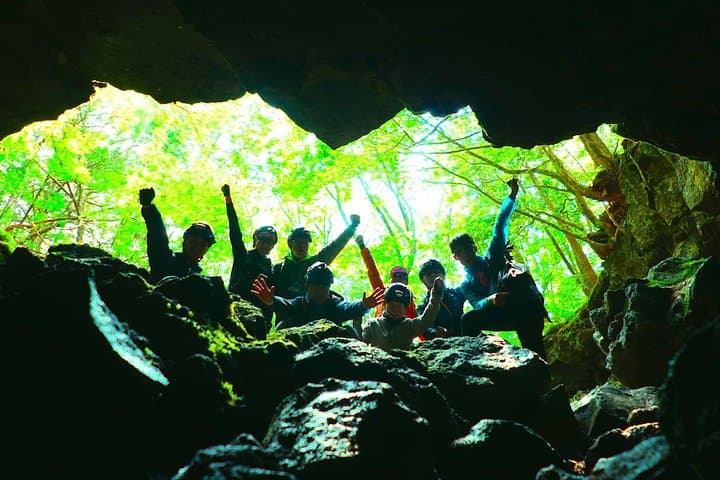
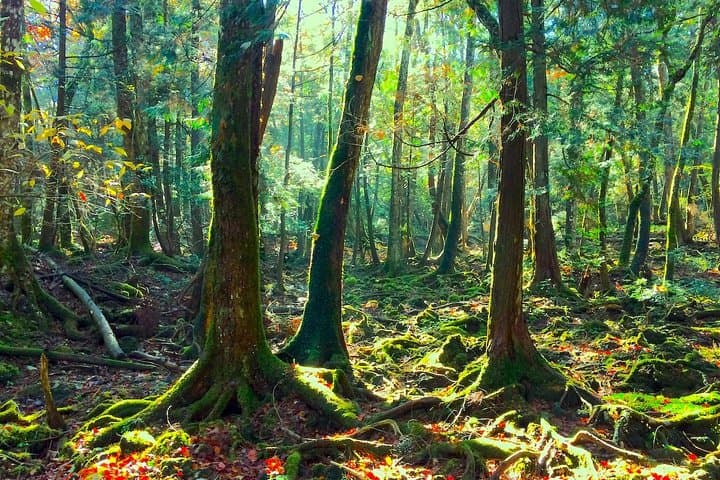
A narrow path under low firs funnels you toward a pocket of cold that feels like it was stolen from the mountain itself. Headlamp beams pick out roots and black volcanic rock as the forest — Aokigahara’s dense canopy — tightens around the group. Then the ground drops and the air changes: a cave room at or near 0°C, walls sculpted by ancient lava and frost that refuses to melt.
A narrow path under low firs funnels you toward a pocket of cold that feels like it was stolen from the mountain itself. Headlamp beams pick out roots and black volcanic rock as the forest — Aokigahara’s dense canopy — tightens around the group. Then the ground drops and the air changes: a cave room at or near 0°C, walls sculpted by ancient lava and frost that refuses to melt.
The ice caves around Mt. Fuji were born after the Jōgan eruption more than a thousand years ago, when flowing lava left hollow tubes and cavities. Meltwater and persistent cold created ice formations that survive into the warmer months; local guides pair that geology with stories about the Sea of Trees’ folklore and the region’s long human relationship with the mountain and lakes below.
Practically, this is a compact, three-hour small-group adventure. Expect roughly 40 minutes of forest approach, about 60 minutes inside a largely unmodified lava cave (no handrails, confined passages, headlamp-only illumination), and a 40-minute return walk. The operator supplies helmet, overall, gloves and a headlight, and limits groups to keep impact low and navigation clear.
Prepare for damp, cold rock underfoot and stooped sections; moderate fitness and steady footing matter more than technical caving skills. Time visits for daylight and allow extra time for pickup at Kawaguchiko. Leave no trace in both forest and cave, follow your guide’s instructions, and treat the cave as a fragile geological exhibit rather than a playground — its ice and rock have taken centuries to form.