THE ADVENTURE COLLECTIVE® · Independent discovery and booking for outdoor travel

Walk George Washington’s estate on a self-guided tour of gardens, gristmill, distillery and family tomb. Expect 2–4 hours on mixed terrain, seasonal demonstrations, and separate Mansion tour tickets.
Walk George Washington’s estate on a self-guided tour of gardens, gristmill, distillery and family tomb. Expect 2–4 hours on mixed terrain, seasonal demonstrations, and separate Mansion tour tickets.
A morning fog lifts from the Potomac as footsteps crunch on gravel paths that loop the harvested fields and clipped boxwood of Mount Vernon.
Verified experiences and guided adventures in the surrounding area.
Operated by George Washington's Mount Vernon · Mount Vernon, Virginia
A morning fog lifts from the Potomac as footsteps crunch on gravel paths that loop the harvested fields and clipped boxwood of Mount Vernon.
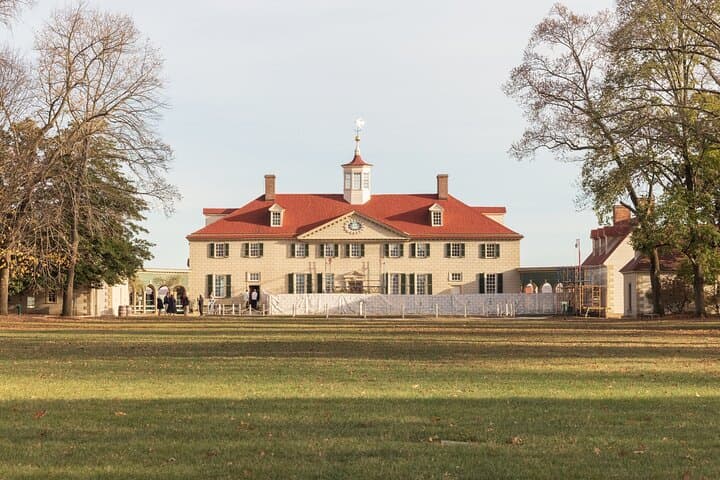
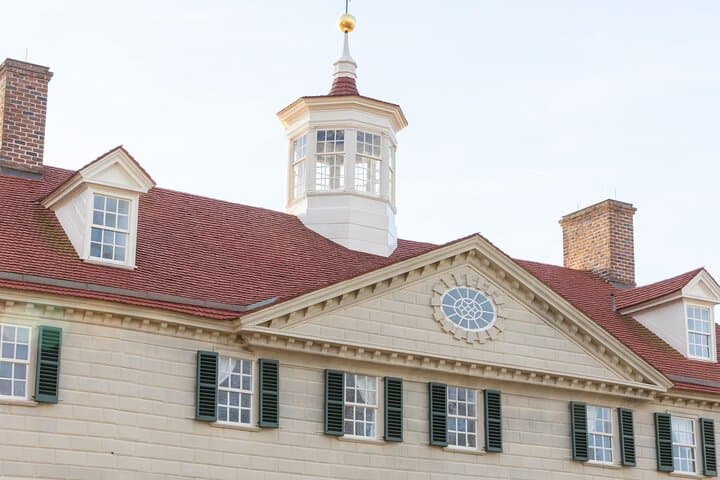
Visitors enter a landscape George Washington shaped as deliberately as he shaped a new nation: terraced gardens that supplied the household, fenced pastures where heritage-breed animals graze, and a shoreline that still reads like 18th‑century logistics for trade and transport. The estate's mansion—currently under phased preservation—sits high on a gentle slope; the family tomb and the working gristmill and distillery recreate everyday life and industry during Washington's lifetime.
Geology here is simple: low coastal plain loam sloping to tidal riverbank. Culturally, Mount Vernon bridges living‑history interpretation and conservation; volunteers and costumed staff interpret agricultural methods, enslaved and free labor histories, and Washington's role as planter, politician, and veteran. Weekend demonstrations often include the distillery and mill in operation (seasonal schedule applies).
Practical guidance: plan 2–4 hours for a full self-guided visit—longer if you join a Mansion tour or attend mill demonstrations. Wear sturdy walking shoes for mixed surfaces—gravel, mown paths, and wooden decking—bring water and sun protection, and expect uneven terrain near the riverbank. Mansion tours require separate free tickets on a first-come basis; check hours and scheduled demonstrations before arrival. Public transit and shuttle options are available from Alexandria and D.C., but the site rewards a slower pace—read signs, follow marked trails, and leave no trace to protect cultivated beds and historic landscapes.
easy|moderate.
2–4 hours.
Light to moderate fitness; able to walk continuously for up to 2 miles with gentle grades and some uneven surfaces
Allocate 2–4 hours for the gardens, grounds, education center, and optional demonstrations; add time if you obtain a Mansion tour ticket.
No—Mansion tours require separate free tickets available at the ticket office on a first-come, first-served basis and often sell out early.
Yes—many paths and facilities are wheelchair and stroller accessible, though some historic surfaces and riverbank areas are uneven.
Yes—both are on-site; the distillery operates seasonally and demonstration times vary, so check the daily schedule for access.
Mount Vernon was George Washington’s plantation home and evolved over decades into a functioning estate with a gristmill and distillery that reflect 18th‑century agricultural practices.
Mount Vernon’s foundation balances historic preservation with landscape stewardship—stay on marked paths and avoid picking plants to protect both archaeological deposits and living collections.
George Washington's Mount Vernon operates guided outdoor trips and adventures with an emphasis on safety, stewardship, and memorable experiences.
A morning fog lifts from the Potomac as footsteps crunch on gravel paths that loop the harvested fields and clipped boxwood of Mount Vernon.
A morning fog lifts from the Potomac as footsteps crunch on gravel paths that loop the harvested fields and clipped boxwood of Mount Vernon.
Visitors enter a landscape George Washington shaped as deliberately as he shaped a new nation: terraced gardens that supplied the household, fenced pastures where heritage-breed animals graze, and a shoreline that still reads like 18th‑century logistics for trade and transport. The estate's mansion—currently under phased preservation—sits high on a gentle slope; the family tomb and the working gristmill and distillery recreate everyday life and industry during Washington's lifetime.
Geology here is simple: low coastal plain loam sloping to tidal riverbank. Culturally, Mount Vernon bridges living‑history interpretation and conservation; volunteers and costumed staff interpret agricultural methods, enslaved and free labor histories, and Washington's role as planter, politician, and veteran. Weekend demonstrations often include the distillery and mill in operation (seasonal schedule applies).
Practical guidance: plan 2–4 hours for a full self-guided visit—longer if you join a Mansion tour or attend mill demonstrations. Wear sturdy walking shoes for mixed surfaces—gravel, mown paths, and wooden decking—bring water and sun protection, and expect uneven terrain near the riverbank. Mansion tours require separate free tickets on a first-come basis; check hours and scheduled demonstrations before arrival. Public transit and shuttle options are available from Alexandria and D.C., but the site rewards a slower pace—read signs, follow marked trails, and leave no trace to protect cultivated beds and historic landscapes.