THE ADVENTURE COLLECTIVE® · Independent discovery and booking for outdoor travel

Walk around the Silvestri Craters, explore the Three Levels lava tube, and end with a free tasting of Etna-produced honey, oil and wine. This guided half-day tour pairs easy volcano walking with geology and local flavors.
Walk around the Silvestri Craters, explore the Three Levels lava tube, and end with a free tasting of Etna-produced honey, oil and wine. This guided half-day tour pairs easy volcano walking with geology and local flavors.
You step out of the minivan into a thin, mineral air and the ground underfoot clicks with volcanic gravel. Above, scoria cones cut the sky; below, a black crusted trail winds toward the Silvestri Craters. The guide fits a helmet and passes a flashlight; the group moves with deliberate quiet, the mountain’s breath sometimes audible in distant vents.
Verified experiences and guided adventures in the surrounding area.
Operated by Your Etna · Nicolosi, Sicily
You step out of the minivan into a thin, mineral air and the ground underfoot clicks with volcanic gravel. Above, scoria cones cut the sky; below, a black crusted trail winds toward the Silvestri Craters. The guide fits a helmet and passes a flashlight; the group moves with deliberate quiet, the mountain’s breath sometimes audible in distant vents.
Etna is one of Europe’s most active volcanoes and its slopes record centuries of eruptions — from the 1693 seismic series to the more recent flows that reshaped valleys. Geology here is immediate: pahoehoe and 'a'a lava textures, collapsed tubes like the Three Levels cave, and wide amphitheaters such as the Valle del Bove carved by pyroclastic flows. Culturally, the lower slopes support vineyards and olive groves whose flavors reflect thin volcanic soils; local producers have made wine and honey a signature of Etna tourism.
On a half-day group tour you’ll walk at roughly 2,000 meters to Silvestri Craters, enter a short lava tube with helmets and flashlights, view the wide scar of Valle del Bove, and finish with a tasting of honey, oil and wine.
Practical edge: expect uneven volcanic scree, short rock steps and exposed sections with strong sun and wind. Bring layered clothing, sturdy footwear with good grip, 1–2 liters water, and sun protection. The route is suitable for most fitness levels but not recommended for people with serious back or heart conditions. Tours commonly run from Catania or Nicolosi and last about 5–6 hours — book earlier in the day for clearer visibility and cooler temperatures.
easy.
5–6 hours.
Suitable for participants in average physical condition; expect several short walks on uneven volcanic terrain and brief stair-like sections.
The crater rim walk is short and suitable for most people, though footing can be loose; moderate mobility is recommended.
Yes—helmets and flashlights are included for cave sections, but a small personal headlamp can be useful.
The tour includes a complimentary tasting of local products such as honey, olive oil and wine.
This tour is generally low-impact but is not recommended for travelers with serious back, spine or cardiovascular issues; check with the operator if unsure.
Etna has been active since antiquity, shaping local settlement and agriculture; eruptions and lava flows created features like the Silvestri Craters and Valle del Bove.
Trails and fragile volcanic soils recover slowly; stay on marked paths, don’t remove rock or plants, and support local guides who practice low-impact tourism.
Your Etna operates guided outdoor trips and adventures with an emphasis on safety, stewardship, and memorable experiences.
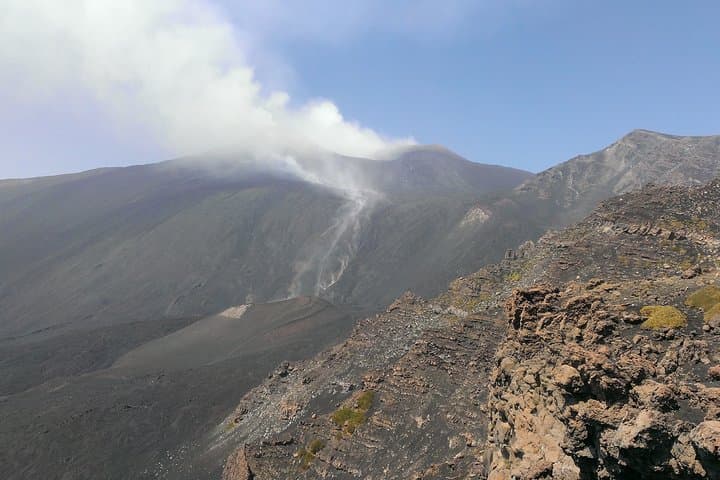
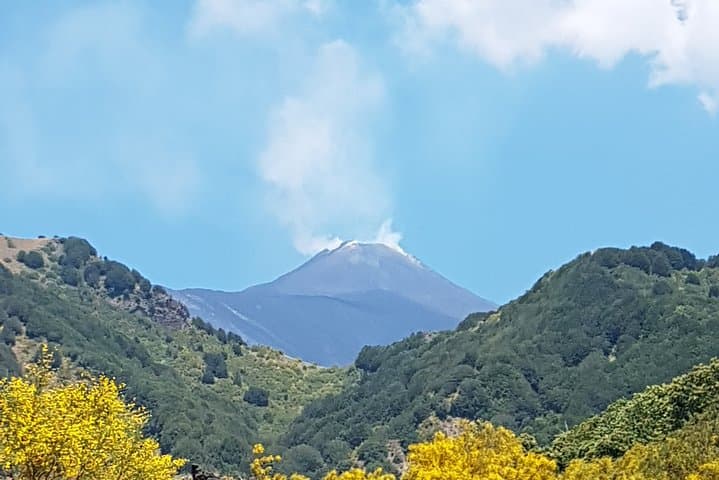
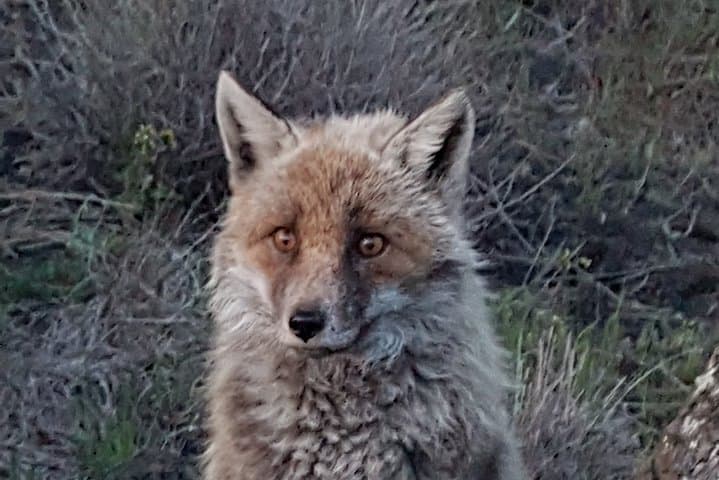
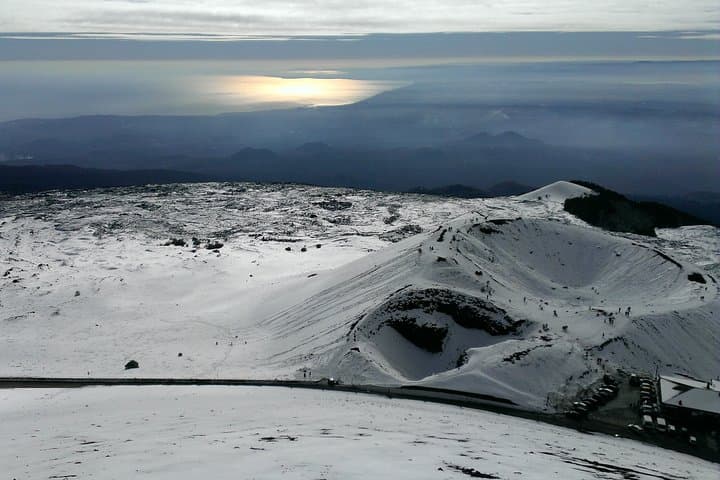
You step out of the minivan into a thin, mineral air and the ground underfoot clicks with volcanic gravel. Above, scoria cones cut the sky; below, a black crusted trail winds toward the Silvestri Craters. The guide fits a helmet and passes a flashlight; the group moves with deliberate quiet, the mountain’s breath sometimes audible in distant vents.
You step out of the minivan into a thin, mineral air and the ground underfoot clicks with volcanic gravel. Above, scoria cones cut the sky; below, a black crusted trail winds toward the Silvestri Craters. The guide fits a helmet and passes a flashlight; the group moves with deliberate quiet, the mountain’s breath sometimes audible in distant vents.
Etna is one of Europe’s most active volcanoes and its slopes record centuries of eruptions — from the 1693 seismic series to the more recent flows that reshaped valleys. Geology here is immediate: pahoehoe and 'a'a lava textures, collapsed tubes like the Three Levels cave, and wide amphitheaters such as the Valle del Bove carved by pyroclastic flows. Culturally, the lower slopes support vineyards and olive groves whose flavors reflect thin volcanic soils; local producers have made wine and honey a signature of Etna tourism.
On a half-day group tour you’ll walk at roughly 2,000 meters to Silvestri Craters, enter a short lava tube with helmets and flashlights, view the wide scar of Valle del Bove, and finish with a tasting of honey, oil and wine.
Practical edge: expect uneven volcanic scree, short rock steps and exposed sections with strong sun and wind. Bring layered clothing, sturdy footwear with good grip, 1–2 liters water, and sun protection. The route is suitable for most fitness levels but not recommended for people with serious back or heart conditions. Tours commonly run from Catania or Nicolosi and last about 5–6 hours — book earlier in the day for clearer visibility and cooler temperatures.