THE ADVENTURE COLLECTIVE® · Independent discovery and booking for outdoor travel

Walk across lava fields, peer into a cooled lava tube and climb toward Etna’s crater rims with local guides who adapt routes to conditions. This half-day excursion pairs geology, close-up volcanic features and practical safety for an accessible, unforgettable alpine-volcanic experience.
Walk across lava fields, peer into a cooled lava tube and climb toward Etna’s crater rims with local guides who adapt routes to conditions. This half-day excursion pairs geology, close-up volcanic features and practical safety for an accessible, unforgettable alpine-volcanic experience.
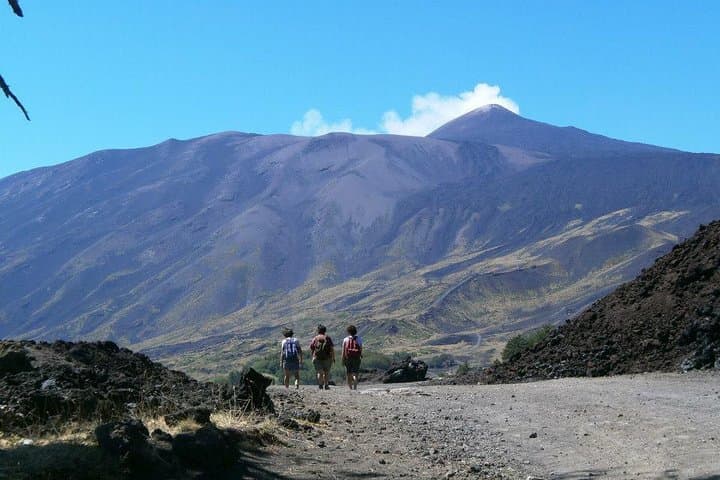
You step onto black glassy rock under a sky that seems closer on the flank of Europe’s most active volcano. The air here tastes faintly of sulfur; the ground sometimes hums with the memory of recent eruptions. Guides lead the way, choosing routes that cross hardened lava fields, skirt fumaroles and descend into a short lava tube where a helmet and torch feel more than ceremonial.
Verified experiences and guided adventures in the surrounding area.
Operated by Panorama Sicilia · Catania, Sicily
You step onto black glassy rock under a sky that seems closer on the flank of Europe’s most active volcano. The air here tastes faintly of sulfur; the ground sometimes hums with the memory of recent eruptions. Guides lead the way, choosing routes that cross hardened lava fields, skirt fumaroles and descend into a short lava tube where a helmet and torch feel more than ceremonial.
Mount Etna has reshaped Sicily for hundreds of thousands of years. Its slope layers tell a geological story of basaltic lava flows, ash fall and frequent cones. Culturally, Etna has loomed in local myth and commerce — vineyards and chestnut woods alternate with stark volcanic deserts, and towns like Nicolosi and Zafferana host festivals tied to ripening seasons and ash cycles.
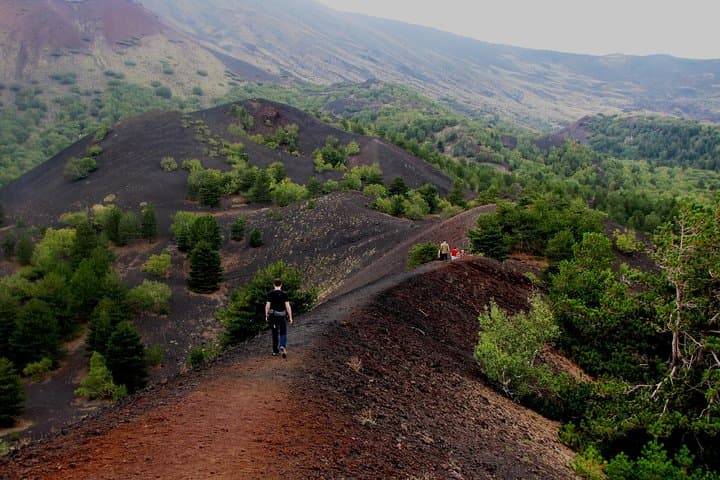
Expect varied terrain: compacted ash, broken lava clinker, occasional loose scree and short stairs at crater rims. The guides’ local knowledge is the safety net — they interpret wind, visibility and route choice on the spot. The experience balances spectacle with pragmatism: up-close views without technical climbing, and the novelty of walking through a lava tube with supplied helmets and torches.
Practical notes: wear sturdy hiking shoes with good traction, bring layered windproof clothing and water (1–2 liters). Sun, sudden weather changes and volcanic dust are real considerations; follow your guide’s instructions about distance from active vents. The tour runs about 4–5 hours and is suitable for most reasonably fit travelers.
This is a day where geology grabs you by the boot and the landscape keeps you honest — dramatic, tactile and unavoidably alive.
moderate.
4–5 hours.
Suitable for most people with a moderate level of fitness; expect several hours of walking on uneven volcanic terrain.
The walk is moderate: several hours on mixed volcanic terrain but no technical climbing; guides tailor the route to group ability.
Yes—helmets and torches are included for safe exploration of the lava cave or tube.
Tours run with safety protocols and guides monitor volcanic conditions; trips may be canceled in unsafe conditions or bad weather.
Wear sturdy hiking shoes, layered clothing, sunscreen, a windproof jacket, water (1–2 L) and snacks; a small daypack is recommended.
Etna’s eruptions have shaped local settlement patterns for millennia; people have farmed its rich volcanic soils since ancient Greek and Roman times.
Visitors should stick to marked routes to protect fragile lava crust and endemic slope vegetation; carry out all trash and minimize disturbance to agricultural terraces.
Panorama Sicilia operates guided outdoor trips and adventures with an emphasis on safety, stewardship, and memorable experiences.
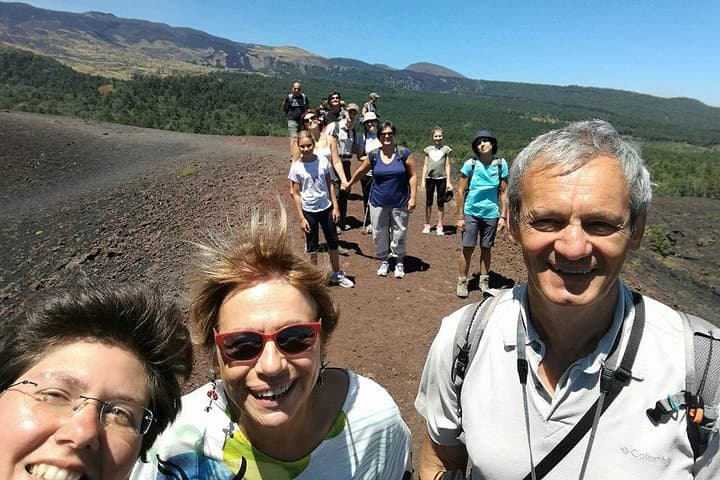
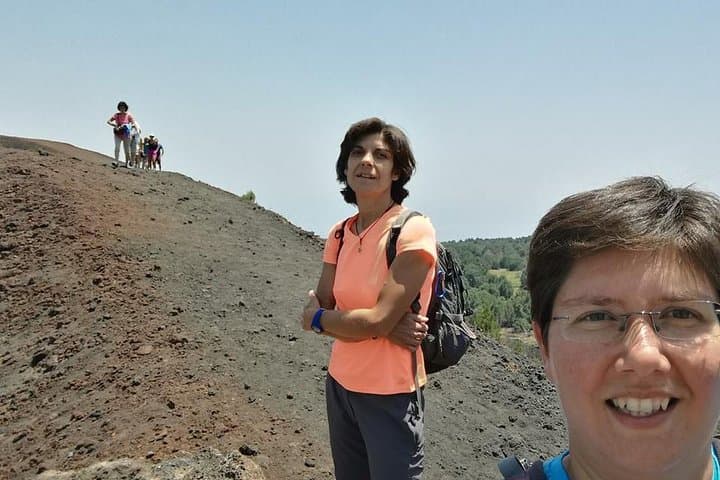
You step onto black glassy rock under a sky that seems closer on the flank of Europe’s most active volcano. The air here tastes faintly of sulfur; the ground sometimes hums with the memory of recent eruptions. Guides lead the way, choosing routes that cross hardened lava fields, skirt fumaroles and descend into a short lava tube where a helmet and torch feel more than ceremonial.
You step onto black glassy rock under a sky that seems closer on the flank of Europe’s most active volcano. The air here tastes faintly of sulfur; the ground sometimes hums with the memory of recent eruptions. Guides lead the way, choosing routes that cross hardened lava fields, skirt fumaroles and descend into a short lava tube where a helmet and torch feel more than ceremonial.
Mount Etna has reshaped Sicily for hundreds of thousands of years. Its slope layers tell a geological story of basaltic lava flows, ash fall and frequent cones. Culturally, Etna has loomed in local myth and commerce — vineyards and chestnut woods alternate with stark volcanic deserts, and towns like Nicolosi and Zafferana host festivals tied to ripening seasons and ash cycles.
Expect varied terrain: compacted ash, broken lava clinker, occasional loose scree and short stairs at crater rims. The guides’ local knowledge is the safety net — they interpret wind, visibility and route choice on the spot. The experience balances spectacle with pragmatism: up-close views without technical climbing, and the novelty of walking through a lava tube with supplied helmets and torches.
Practical notes: wear sturdy hiking shoes with good traction, bring layered windproof clothing and water (1–2 liters). Sun, sudden weather changes and volcanic dust are real considerations; follow your guide’s instructions about distance from active vents. The tour runs about 4–5 hours and is suitable for most reasonably fit travelers.
This is a day where geology grabs you by the boot and the landscape keeps you honest — dramatic, tactile and unavoidably alive.