THE ADVENTURE COLLECTIVE® · Independent discovery and booking for outdoor travel

Spend a private day from Catania between Etna’s smoking craters and Taormina’s cliff-top Greek theatre. This guided itinerary mixes volcanic geology, local tastings and time to explore Corso Umberto.
Spend a private day from Catania between Etna’s smoking craters and Taormina’s cliff-top Greek theatre. This guided itinerary mixes volcanic geology, local tastings and time to explore Corso Umberto.
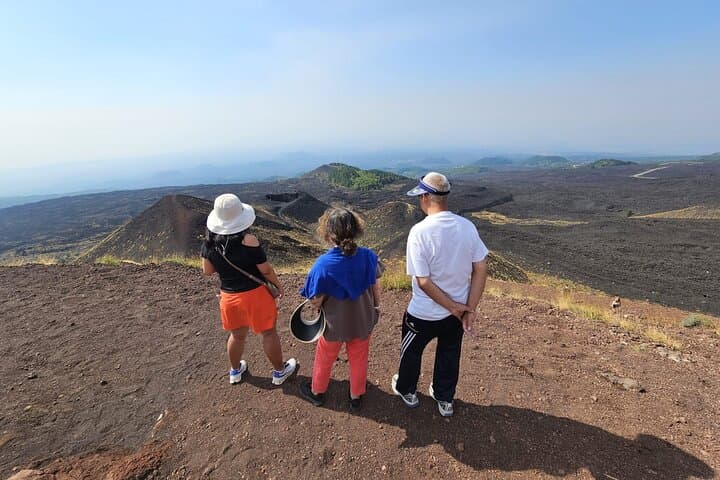
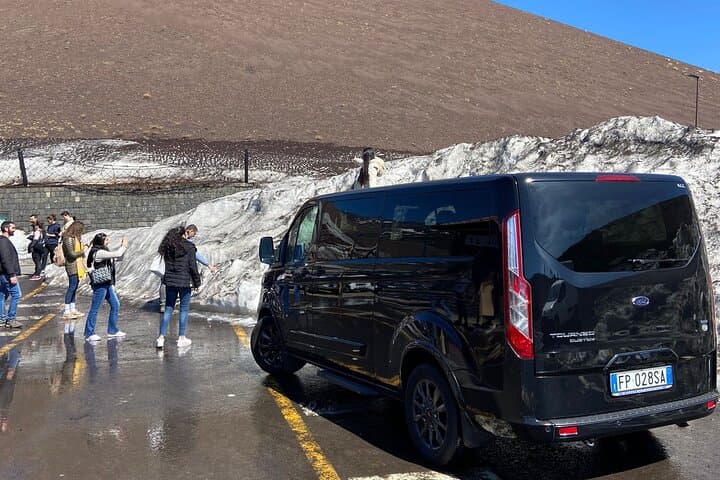
A low sun cuts across black lava fields as the minivan climbs toward Etna’s southern slopes; steam rises from fissures and the Ionian Sea glints below. The day unfolds between raw volcanic rock and an ancient hilltop town—first the wind-scoured craters where you can step onto basalt and feel the mountain’s heat, then the shaded alleys of Taormina where a Greek theatre looks out over cliffs and sea.
Verified experiences and guided adventures in the surrounding area.
Operated by Sicily Best Tour · Catania, Sicily
A low sun cuts across black lava fields as the minivan climbs toward Etna’s southern slopes; steam rises from fissures and the Ionian Sea glints below. The day unfolds between raw volcanic rock and an ancient hilltop town—first the wind-scoured craters where you can step onto basalt and feel the mountain’s heat, then the shaded alleys of Taormina where a Greek theatre looks out over cliffs and sea.
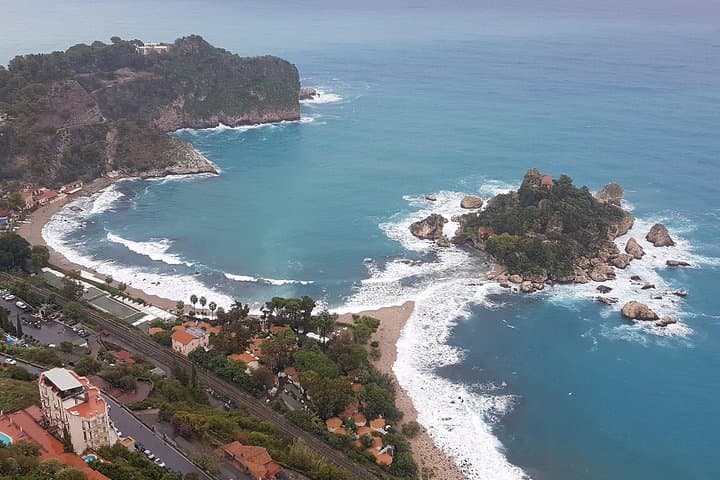
Etna is Europe’s largest active volcano and a landscape written by repeated eruptions—layers of ash, scoria and solidified lava that shape walking routes and vineyards alike. Taormina’s Greek-Roman theatre dates to the Hellenistic era and later Roman alterations; its Corso Umberto preserves 19th-century cafés and artisan shops. Cultural life here mixes volcanic agriculture—citrus, olives, pistachios—and a long coastal tourism tradition.
On a typical private tour from Catania expect about 6–7 hours: a drive of roughly 45–75 minutes to Etna depending on traffic, guided time at about 2 hours near the 2,000 m crater area, and several hours for Taormina’s highlights. Walking on Etna is over uneven volcanic scree; the cable car and off-road transfers can extend reach toward 3,000 m at extra cost. Plan layered clothing for wind and sun, sturdy shoes with good grip, sunscreen and water. Morning departures avoid afternoon haze and provide cooler crater walks. The private format lets you pace photography stops, a short tasting of Sicilian products, and a tailored visit to Taormina’s Greek Theatre, Corso Umberto and panoramic piazzas.
Practical choices—bring good footwear, a light wind shell, and cash for optional cable car or museum admissions—make the day smoother while preserving time to savor both the mountain’s raw geology and Taormina’s lived history.
easy.
6–7 hours.
Suitable for most people who can manage short walks on uneven ground; minimal sustained exertion required.
Typical duration is 6–7 hours and includes private transport, bottled water, a driver/hostess who provides explanations, and free time in Taormina; cable car or other Etna lift tickets are extra.
Access above the 2,000 m crater area usually requires cable car and sometimes off-road vehicles or guide services; these are optional and paid locally—discuss options with your driver.
The tour notes stroller accessibility for short transfers and town visits, but crater-area walks are on uneven terrain and not suitable for strollers; infants should sit on laps in vehicles.
The driver or hostess speaks the language chosen for the tour; basic English is commonly used, but ask at booking about language needs for commentary.
Mount Etna’s eruptions have shaped human settlement and agriculture for millennia; Taormina developed as a Greek and Roman seaside retreat centered on its ancient theatre.
Volcanic soils are fragile—stay on marked paths to limit erosion, and support local producers who use sustainable farming practices where possible.
Sicily Best Tour operates guided outdoor trips and adventures with an emphasis on safety, stewardship, and memorable experiences.
A low sun cuts across black lava fields as the minivan climbs toward Etna’s southern slopes; steam rises from fissures and the Ionian Sea glints below. The day unfolds between raw volcanic rock and an ancient hilltop town—first the wind-scoured craters where you can step onto basalt and feel the mountain’s heat, then the shaded alleys of Taormina where a Greek theatre looks out over cliffs and sea.
A low sun cuts across black lava fields as the minivan climbs toward Etna’s southern slopes; steam rises from fissures and the Ionian Sea glints below. The day unfolds between raw volcanic rock and an ancient hilltop town—first the wind-scoured craters where you can step onto basalt and feel the mountain’s heat, then the shaded alleys of Taormina where a Greek theatre looks out over cliffs and sea.
Etna is Europe’s largest active volcano and a landscape written by repeated eruptions—layers of ash, scoria and solidified lava that shape walking routes and vineyards alike. Taormina’s Greek-Roman theatre dates to the Hellenistic era and later Roman alterations; its Corso Umberto preserves 19th-century cafés and artisan shops. Cultural life here mixes volcanic agriculture—citrus, olives, pistachios—and a long coastal tourism tradition.
On a typical private tour from Catania expect about 6–7 hours: a drive of roughly 45–75 minutes to Etna depending on traffic, guided time at about 2 hours near the 2,000 m crater area, and several hours for Taormina’s highlights. Walking on Etna is over uneven volcanic scree; the cable car and off-road transfers can extend reach toward 3,000 m at extra cost. Plan layered clothing for wind and sun, sturdy shoes with good grip, sunscreen and water. Morning departures avoid afternoon haze and provide cooler crater walks. The private format lets you pace photography stops, a short tasting of Sicilian products, and a tailored visit to Taormina’s Greek Theatre, Corso Umberto and panoramic piazzas.
Practical choices—bring good footwear, a light wind shell, and cash for optional cable car or museum admissions—make the day smoother while preserving time to savor both the mountain’s raw geology and Taormina’s lived history.