THE ADVENTURE COLLECTIVE® · Independent discovery and booking for outdoor travel

Walk through Inca agricultural terraces and climb the rim of ancient salt pans on this small-group Sacred Valley tour. Expect dramatic light, altitude, and hands-on cultural encounters with weavers and salt workers.
Walk through Inca agricultural terraces and climb the rim of ancient salt pans on this small-group Sacred Valley tour. Expect dramatic light, altitude, and hands-on cultural encounters with weavers and salt workers.
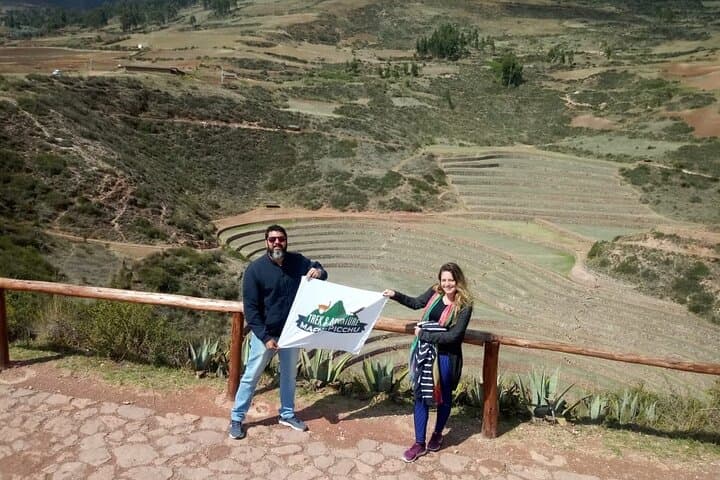
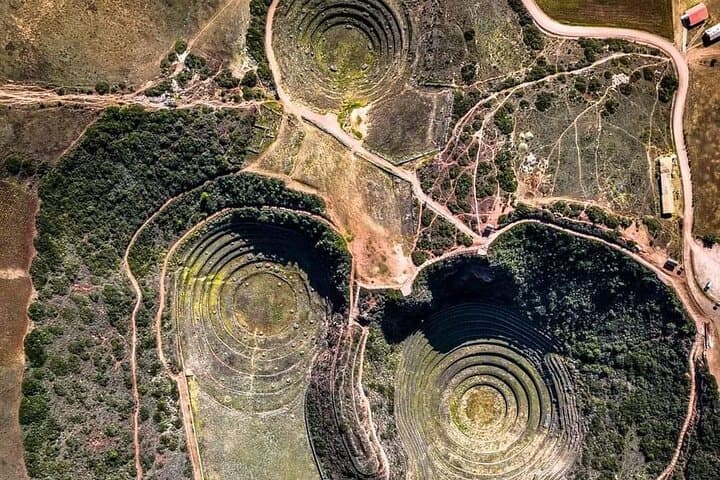
You step out of the van onto thin, sharp air and a panorama of terraced bowls. The wind here seems to test your breath and the terraces of Moray look like concentric stages of a living laboratory—circles carved into the earth that hold different microclimates within their rims.
Verified experiences and guided adventures in the surrounding area.
Operated by TREK&ADVENTURE MACHUPICCHU · Cusco, Cusco
You step out of the van onto thin, sharp air and a panorama of terraced bowls. The wind here seems to test your breath and the terraces of Moray look like concentric stages of a living laboratory—circles carved into the earth that hold different microclimates within their rims.
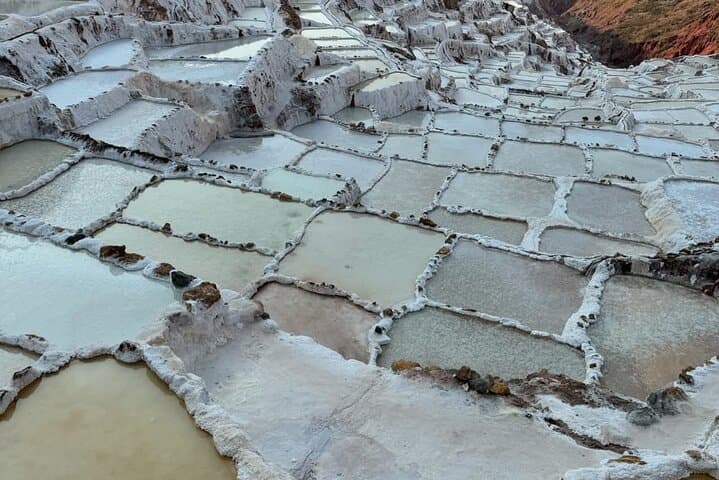
Moray’s circular depressions are an agricultural experiment frozen in stone: the Inca cut concentric platforms to study temperature and crop performance, exploiting every degree of sun and shade. Nearby, the salt pools of Maras thread the mountainside in a geometric flood of white pans fed by a spring, a saltworks practiced since pre-Inca times. Chinchero, included on many itineraries, keeps textile traditions alive—alpaca and sheep wool spun and dyed with plant pigments the same way generations have taught.
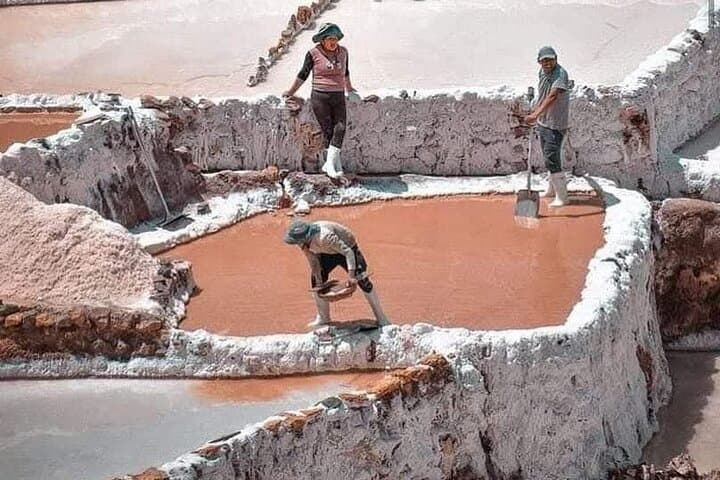
The geology shifts quickly from terraced loess and packed earth at Moray to the terraced evaporation pools of Maras, where mineral-rich water is shepherded through channels to crystallize into salt. Culture is tactile here: weavers, salt farmers and local guides who explain the engineering and symbolism behind what you see.
Practicalities: the full small-group tour runs about five hours from Cusco with hotel pickup, light walking on uneven stone and short stairs at archaeological sites. Altitude (3,500–3,800 m) is the main challenge—move slowly, hydrate, and plan for sun and wind. Wear sturdy shoes with traction, a windproof layer, sun protection and some cash for market purchases. Expect clear, sharp light for photos in the morning and stronger winds in the afternoon; most visitors complete the route without technical gear but leave room for acclimatization time in Cusco first.
easy.
5 hours.
Light walking on uneven ground; suitable for most fitness levels but expect altitude-related exertion
The tour is approximately five hours and typically departs in the morning with hotel pickup from Cusco; exact pickup times vary by operator.
Sites include uneven stone steps and short climbs; it’s labeled easy but not recommended for people with significant spinal or mobility problems.
General admission to Moray and Maras is usually purchased on site; check with the operator if entrance fees are included in your booking.
Altitude affects people differently—mild headaches or shortness of breath are common; hydrate, avoid alcohol beforehand and rest if needed.
Moray’s circular terraces served as an Inca agricultural research site, while Maras’ salt ponds predate the Incas and have supplied local communities for centuries.
Stay on marked paths to prevent erosion of fragile terraces; support local cooperatives by buying crafts directly from families to help sustain traditional practices.
TREK&ADVENTURE MACHUPICCHU operates guided outdoor trips and adventures with an emphasis on safety, stewardship, and memorable experiences.
You step out of the van onto thin, sharp air and a panorama of terraced bowls. The wind here seems to test your breath and the terraces of Moray look like concentric stages of a living laboratory—circles carved into the earth that hold different microclimates within their rims.
You step out of the van onto thin, sharp air and a panorama of terraced bowls. The wind here seems to test your breath and the terraces of Moray look like concentric stages of a living laboratory—circles carved into the earth that hold different microclimates within their rims.
Moray’s circular depressions are an agricultural experiment frozen in stone: the Inca cut concentric platforms to study temperature and crop performance, exploiting every degree of sun and shade. Nearby, the salt pools of Maras thread the mountainside in a geometric flood of white pans fed by a spring, a saltworks practiced since pre-Inca times. Chinchero, included on many itineraries, keeps textile traditions alive—alpaca and sheep wool spun and dyed with plant pigments the same way generations have taught.
The geology shifts quickly from terraced loess and packed earth at Moray to the terraced evaporation pools of Maras, where mineral-rich water is shepherded through channels to crystallize into salt. Culture is tactile here: weavers, salt farmers and local guides who explain the engineering and symbolism behind what you see.
Practicalities: the full small-group tour runs about five hours from Cusco with hotel pickup, light walking on uneven stone and short stairs at archaeological sites. Altitude (3,500–3,800 m) is the main challenge—move slowly, hydrate, and plan for sun and wind. Wear sturdy shoes with traction, a windproof layer, sun protection and some cash for market purchases. Expect clear, sharp light for photos in the morning and stronger winds in the afternoon; most visitors complete the route without technical gear but leave room for acclimatization time in Cusco first.