THE ADVENTURE COLLECTIVE® · Independent discovery and booking for outdoor travel

Walk into Monteverde’s cloud—where moss, orchids and hummingbirds occupy hanging gardens among the trees. This three-hour guided interpretation reveals why the Tilarán Range supports one of the world’s richest cloud forests.
Walk into Monteverde’s cloud—where moss, orchids and hummingbirds occupy hanging gardens among the trees. This three-hour guided interpretation reveals why the Tilarán Range supports one of the world’s richest cloud forests.
High clouds press against the ridgeline and the forest answers with a wet, green silence. Moss-draped branches form hanging gardens above a narrow trail; birds scatter like punctuation through the canopy while mist weaves through epiphytes and orchids. On a three-hour interpretive walk through the Monteverde Cloud Forest, that mist becomes the guide—shaping visibility, scent, and the forest’s architecture.
Verified experiences and guided adventures in the surrounding area.
Operated by Felix Angel Barrantes Segura · Santa Elena, Puntarenas
High clouds press against the ridgeline and the forest answers with a wet, green silence. Moss-draped branches form hanging gardens above a narrow trail; birds scatter like punctuation through the canopy while mist weaves through epiphytes and orchids. On a three-hour interpretive walk through the Monteverde Cloud Forest, that mist becomes the guide—shaping visibility, scent, and the forest’s architecture.
The reserve sits on the Tilarán Range at roughly 1,500 meters (5,000 ft) and played a key role in Costa Rica’s modern conservation movement after local settlers and scientists protected patches of cloud forest in the 1970s. Geologically, the steep slopes trap moisture from trade winds, producing the persistent cloud immersion that defines montane cloud forests and supports extraordinary biodiversity—about half of Costa Rica’s species and close to 2.5% of global biodiversity are represented in the region.
Culturally, Monteverde combines Costa Rican conservation ethic with a history of Quaker settlers who helped establish neighboring reserves and community-run projects. Visitors can expect close study of epiphytes, bromeliads, and the hummingbird gardens often included with guided tours.
Practical points: trails are uneven and damp—good tread on shoes matters. Guides often bring high-powered optics for close views of birds and canopy life; small-group sizes (up to eight) keep the experience intimate. Bring a waterproof layer, a warm midlayer, water, and camera, and plan for variable visibility; early mornings offer the best light and bird activity. Follow Leave No Trace principles and stay with your guide to protect fragile microhabitats.
moderate.
3 hours.
Moderate fitness: able to hike uneven, occasionally steep trails for several hours at 1,500 m elevation
It’s a moderate, 3-hour interpretive walk on uneven, sometimes steep terrain; participants should be comfortable hiking at elevation and on wet trails.
Most reserve areas have basic facilities near trailheads; this tour includes light snacks but bring water and any personal snacks needed.
Sightings aren’t guaranteed, but early-morning walks boost odds for quetzals, trogons, and active hummingbirds—guides use optics to improve viewing.
Not recommended for travelers with cardiovascular issues or pregnancy due to trail conditions and elevation; check with the operator about age limits for children.
The Monteverde area was set aside for protection by settlers and conservationists in the 1970s; the reserve helped launch Costa Rica’s global reputation for biodiversity conservation.
Cloud forests are sensitive to climate shifts and trampling—stick to trails, avoid collecting plants, and support local guide programs that fund preservation.
Felix Angel Barrantes Segura operates guided outdoor trips and adventures with an emphasis on safety, stewardship, and memorable experiences.
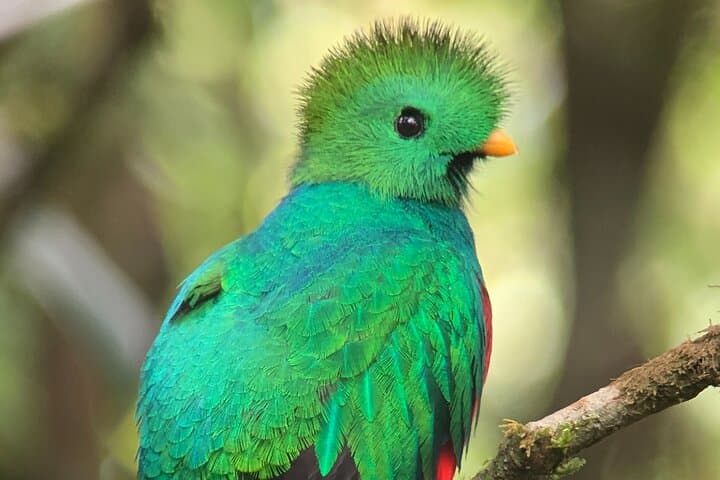
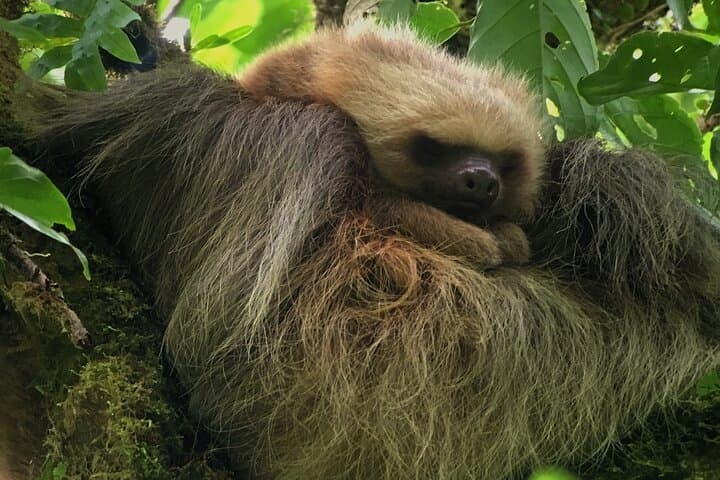
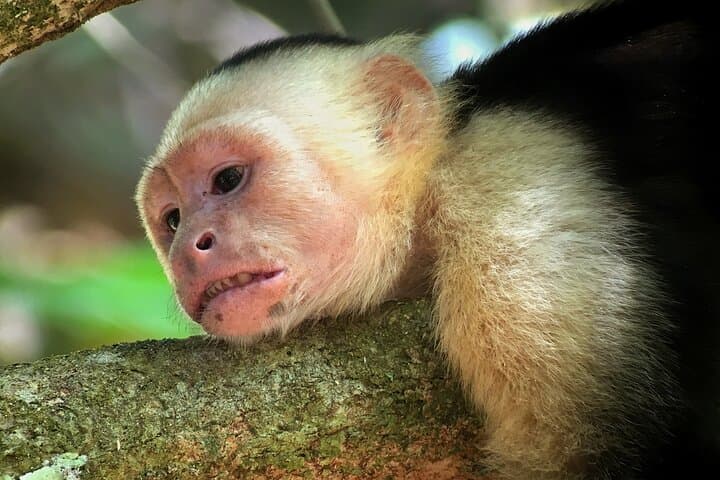
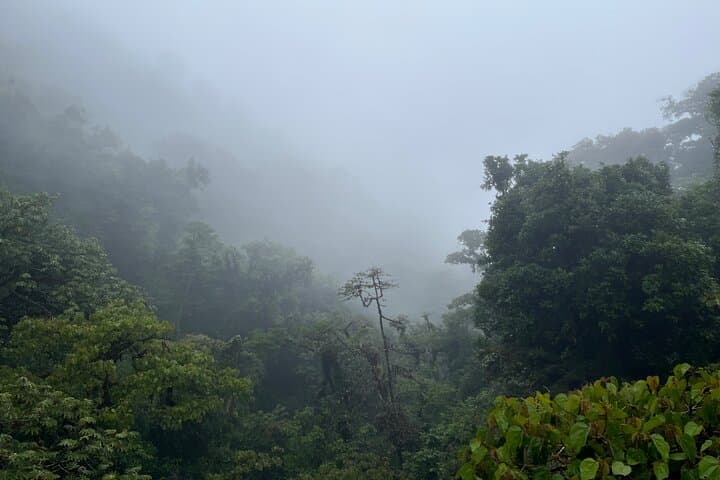
High clouds press against the ridgeline and the forest answers with a wet, green silence. Moss-draped branches form hanging gardens above a narrow trail; birds scatter like punctuation through the canopy while mist weaves through epiphytes and orchids. On a three-hour interpretive walk through the Monteverde Cloud Forest, that mist becomes the guide—shaping visibility, scent, and the forest’s architecture.
High clouds press against the ridgeline and the forest answers with a wet, green silence. Moss-draped branches form hanging gardens above a narrow trail; birds scatter like punctuation through the canopy while mist weaves through epiphytes and orchids. On a three-hour interpretive walk through the Monteverde Cloud Forest, that mist becomes the guide—shaping visibility, scent, and the forest’s architecture.
The reserve sits on the Tilarán Range at roughly 1,500 meters (5,000 ft) and played a key role in Costa Rica’s modern conservation movement after local settlers and scientists protected patches of cloud forest in the 1970s. Geologically, the steep slopes trap moisture from trade winds, producing the persistent cloud immersion that defines montane cloud forests and supports extraordinary biodiversity—about half of Costa Rica’s species and close to 2.5% of global biodiversity are represented in the region.
Culturally, Monteverde combines Costa Rican conservation ethic with a history of Quaker settlers who helped establish neighboring reserves and community-run projects. Visitors can expect close study of epiphytes, bromeliads, and the hummingbird gardens often included with guided tours.
Practical points: trails are uneven and damp—good tread on shoes matters. Guides often bring high-powered optics for close views of birds and canopy life; small-group sizes (up to eight) keep the experience intimate. Bring a waterproof layer, a warm midlayer, water, and camera, and plan for variable visibility; early mornings offer the best light and bird activity. Follow Leave No Trace principles and stay with your guide to protect fragile microhabitats.