THE ADVENTURE COLLECTIVE® · Independent discovery and booking for outdoor travel

Cross desert and steppe on a 10-day loop from Ulaanbaatar to the Gobi’s dunes, flaming cliffs and the green Orkhon Valley. Expect long drives, camel and horse rides, canyon hikes and nights in ger camps—this itinerary pairs geology and nomadic culture with straightforward logistics.
Cross desert and steppe on a 10-day loop from Ulaanbaatar to the Gobi’s dunes, flaming cliffs and the green Orkhon Valley. Expect long drives, camel and horse rides, canyon hikes and nights in ger camps—this itinerary pairs geology and nomadic culture with straightforward logistics.
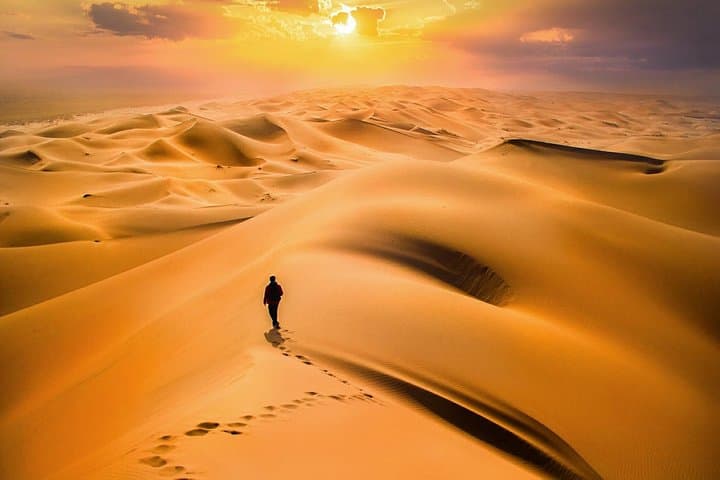
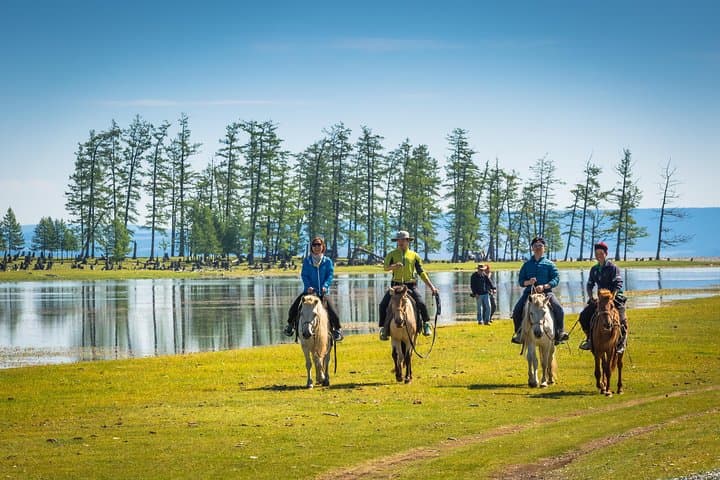
Early on the first morning a diesel van leaves Ulaanbaatar and the steppe opens like a shifting page; wind-polished rock and sand dunes replace the city skyline. Over ten days the itinerary threads between Baga Gazriin Chuluu’s granite ribs, the lunar slopes of Tsagaan Suvraga, the ice-shadowed throat of Yoliin Am and the singing Khongor dunes, then climbs into green Khangai ridgelines and the Orkhon Valley on horses.
Verified experiences and guided adventures in the surrounding area.
Operated by Mongolian Vision Tours · Ulaanbaatar, Ulaanbaatar
Early on the first morning a diesel van leaves Ulaanbaatar and the steppe opens like a shifting page; wind-polished rock and sand dunes replace the city skyline. Over ten days the itinerary threads between Baga Gazriin Chuluu’s granite ribs, the lunar slopes of Tsagaan Suvraga, the ice-shadowed throat of Yoliin Am and the singing Khongor dunes, then climbs into green Khangai ridgelines and the Orkhon Valley on horses.
Geology here speaks in strata and fossil beds: Bayanzag’s red cliffs yielded dinosaur eggs a century ago and Khongoriin Els stretches for tens of kilometres with dunes up to 200 m high. Culture is equally tangible—longstanding nomadic ger hospitality, Erdene Zuu monastery on Övörkhangai’s ancient capital ruins and small villages where markets still trade by scale and shout.
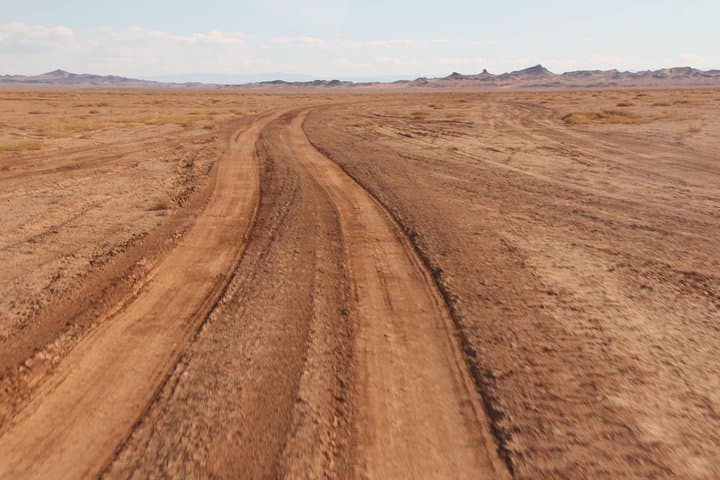
Expect a mix of drives (100–300 km legs), short hikes through canyons, camel and horse rides, and nights in ger camps or simple tents. Trails vary from packed desert track to lava-strewn horse trails; Yoliin Am can carry ice patches into July and higher meadows around Orkhon sit above 2,000–2,800 m.
Practical guidance: pace your water, protect skin from high steppe sun, break hikes into conservative stages, and practice mounting a Bactrian camel or saddle adjustment before long rides. Bring cash for village markets, a reliable power bank for charging in remote camps, and flexible plans—the Gobi’s weather and washboard roads will set the tempo.
Allow extra rest days for altitude or vehicle delays and carry biodegradable toiletries to protect fragile steppe vegetation too.
moderate.
10 days.
Moderate fitness recommended—comfortable with full days of riding, multiple short hikes, and long transfer drives.
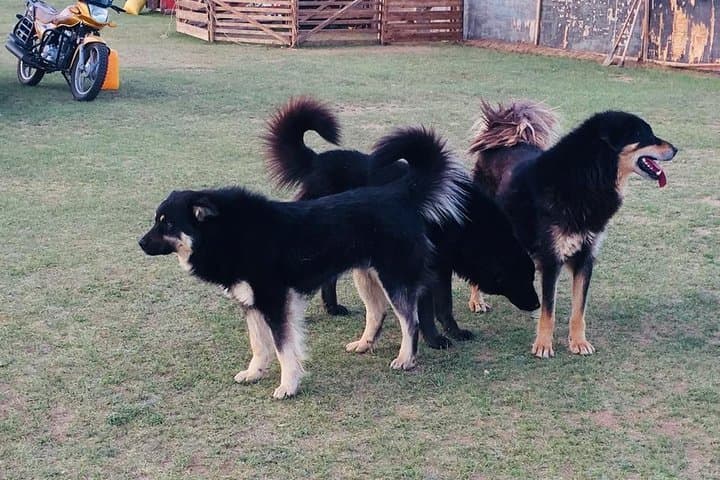
Nights are a mix of tourist ger camps, nomadic family gers and occasional tents—expect simple but heated ger facilities and local hospitality.
The trip is moderate: long vehicle transfers, short hikes on uneven terrain, camel rides and multi-day horse trekking that require basic riding comfort.
No formal certification is required, but basic horseback riding experience helps; guides handle camels and horses and provide instruction as needed.
Late spring through early autumn (May–September) offers the most reliable access; Yoliin Am can retain ice into July at higher elevations.
Kharhorin (Kharkhorum) was the 13th-century Mongol capital site; Erdene Zuu monastery was built on its ruins in 1586 and retains important cultural artifacts.
Takhi reintroduction at Khustai National Park highlights active conservation—respect grazing areas, avoid disturbing wildlife and minimize campfire impacts.
Mongolian Vision Tours operates guided outdoor trips and adventures with an emphasis on safety, stewardship, and memorable experiences.
Early on the first morning a diesel van leaves Ulaanbaatar and the steppe opens like a shifting page; wind-polished rock and sand dunes replace the city skyline. Over ten days the itinerary threads between Baga Gazriin Chuluu’s granite ribs, the lunar slopes of Tsagaan Suvraga, the ice-shadowed throat of Yoliin Am and the singing Khongor dunes, then climbs into green Khangai ridgelines and the Orkhon Valley on horses.
Early on the first morning a diesel van leaves Ulaanbaatar and the steppe opens like a shifting page; wind-polished rock and sand dunes replace the city skyline. Over ten days the itinerary threads between Baga Gazriin Chuluu’s granite ribs, the lunar slopes of Tsagaan Suvraga, the ice-shadowed throat of Yoliin Am and the singing Khongor dunes, then climbs into green Khangai ridgelines and the Orkhon Valley on horses.
Geology here speaks in strata and fossil beds: Bayanzag’s red cliffs yielded dinosaur eggs a century ago and Khongoriin Els stretches for tens of kilometres with dunes up to 200 m high. Culture is equally tangible—longstanding nomadic ger hospitality, Erdene Zuu monastery on Övörkhangai’s ancient capital ruins and small villages where markets still trade by scale and shout.
Expect a mix of drives (100–300 km legs), short hikes through canyons, camel and horse rides, and nights in ger camps or simple tents. Trails vary from packed desert track to lava-strewn horse trails; Yoliin Am can carry ice patches into July and higher meadows around Orkhon sit above 2,000–2,800 m.
Practical guidance: pace your water, protect skin from high steppe sun, break hikes into conservative stages, and practice mounting a Bactrian camel or saddle adjustment before long rides. Bring cash for village markets, a reliable power bank for charging in remote camps, and flexible plans—the Gobi’s weather and washboard roads will set the tempo.
Allow extra rest days for altitude or vehicle delays and carry biodegradable toiletries to protect fragile steppe vegetation too.