THE ADVENTURE COLLECTIVE® · Independent discovery and booking for outdoor travel

Walk through four modes of transport under one roof at the Johanneum on Dresden’s Neumarkt. Expect locomotives, vintage cars, aircraft models and hands-on exhibits with an English audioguide and accessible galleries.
Walk through four modes of transport under one roof at the Johanneum on Dresden’s Neumarkt. Expect locomotives, vintage cars, aircraft models and hands-on exhibits with an English audioguide and accessible galleries.
You step through the heavy stone arch of the Johanneum and the city’s square slips away — polished metal and timber take its place. A steam locomotive seems to breathe on the far wall, brass fittings catching the light, while a penny-farthing waits like a relic daring you to mount it. The Transport Museum at Neumarkt arranges machines and stories so that movement itself feels like the subject.
Verified experiences and guided adventures in the surrounding area.
Operated by Verkehrsmuseum Dresden · Dresden, Saxony
You step through the heavy stone arch of the Johanneum and the city’s square slips away — polished metal and timber take its place. A steam locomotive seems to breathe on the far wall, brass fittings catching the light, while a penny-farthing waits like a relic daring you to mount it. The Transport Museum at Neumarkt arranges machines and stories so that movement itself feels like the subject.
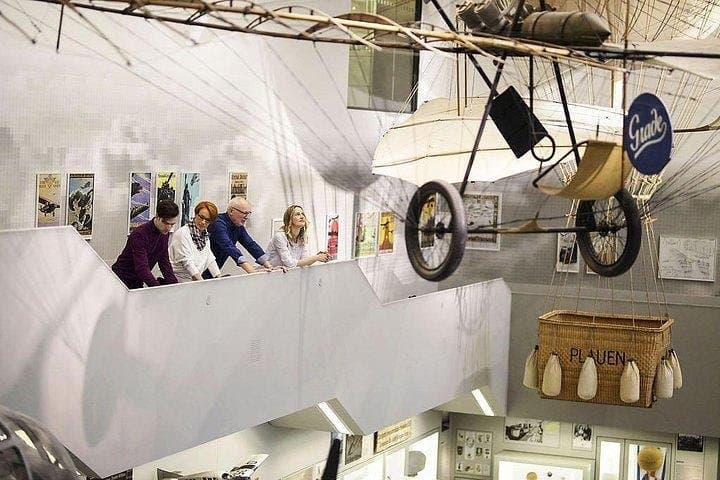
The collection traces mobility from the Royal Saxon State Railway beginnings in 1877 through postwar curation to today’s interactive displays. Housed in a former royal stable, the building’s vaulted spaces frame locomotives, elegant vintage cars, aircraft models and detailed ship miniatures. Exhibits cover rail, road, air and water under one roof, and a large model railway and hands-on stations let visitors try a digital regatta or design a boat.
Culturally, the museum sits in the historic core of Dresden — a short walk from the Frauenkirche and the Elbe — linking technology to the city’s commercial and industrial past. Geology doesn’t dominate here, but Saxony’s mining and industrial history underpin many transport advances on display.
Practical guidance: allow 2–3 hours for a full visit; download the free audioguide (English, German, Czech, Russian, German Sign Language) via museum Wi‑Fi. The venue is wheelchair and stroller accessible; note closures on most Mondays and select holidays. Peak times are mid-morning and early afternoon — arrive early to handle the interactive stations before queues form. Wear comfortable shoes, bring a charged phone for the app, and factor in time to stroll Neumarkt afterward for cafés and pavement views of the restored baroque center.
easy.
2–3 hours.
Suitable for all fitness levels; mostly indoor walking on level surfaces with some stairs/ramps
Most visitors spend 2–3 hours to see main exhibitions, try hands-on stations and view the model railway.
Yes — the museum provides free Wi‑Fi to download the audioguide app in multiple languages to your device.
Yes — the Johanneum is wheelchair and stroller accessible, with level surfaces and accessible amenities; staff can assist with larger exhibits if needed.
The museum is closed on most Mondays (with seasonal exceptions such as Easter Monday and Whitsun Monday) and on 24, 25, 31 December and 1 January—check local listings before you go.
The Dresden Transport Museum traces its roots to an 1877 Royal Saxon State Railway collection and occupies a former royal stable building used for coaches and horses centuries ago.
The museum highlights technological evolution and encourages sustainable transport dialogue; visitors are asked to respect exhibits and use marked pathways to protect historic machinery.
Verkehrsmuseum Dresden operates guided outdoor trips and adventures with an emphasis on safety, stewardship, and memorable experiences.
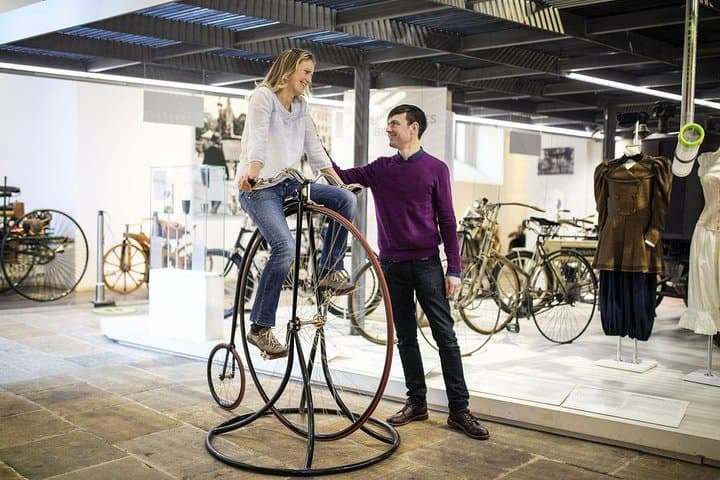

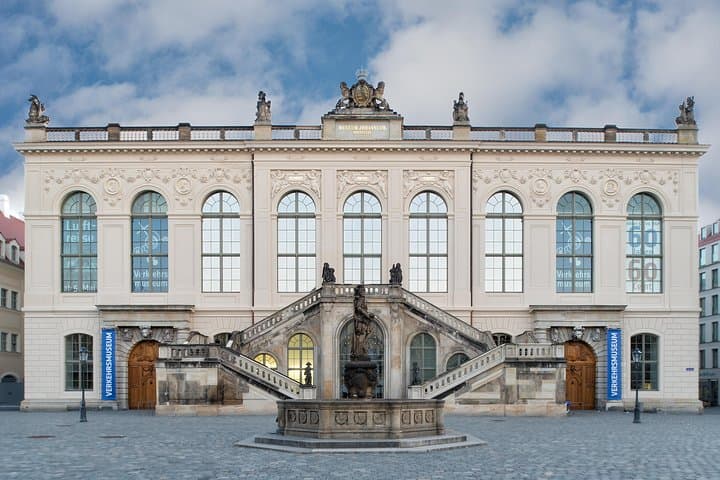
You step through the heavy stone arch of the Johanneum and the city’s square slips away — polished metal and timber take its place. A steam locomotive seems to breathe on the far wall, brass fittings catching the light, while a penny-farthing waits like a relic daring you to mount it. The Transport Museum at Neumarkt arranges machines and stories so that movement itself feels like the subject.
You step through the heavy stone arch of the Johanneum and the city’s square slips away — polished metal and timber take its place. A steam locomotive seems to breathe on the far wall, brass fittings catching the light, while a penny-farthing waits like a relic daring you to mount it. The Transport Museum at Neumarkt arranges machines and stories so that movement itself feels like the subject.
The collection traces mobility from the Royal Saxon State Railway beginnings in 1877 through postwar curation to today’s interactive displays. Housed in a former royal stable, the building’s vaulted spaces frame locomotives, elegant vintage cars, aircraft models and detailed ship miniatures. Exhibits cover rail, road, air and water under one roof, and a large model railway and hands-on stations let visitors try a digital regatta or design a boat.
Culturally, the museum sits in the historic core of Dresden — a short walk from the Frauenkirche and the Elbe — linking technology to the city’s commercial and industrial past. Geology doesn’t dominate here, but Saxony’s mining and industrial history underpin many transport advances on display.
Practical guidance: allow 2–3 hours for a full visit; download the free audioguide (English, German, Czech, Russian, German Sign Language) via museum Wi‑Fi. The venue is wheelchair and stroller accessible; note closures on most Mondays and select holidays. Peak times are mid-morning and early afternoon — arrive early to handle the interactive stations before queues form. Wear comfortable shoes, bring a charged phone for the app, and factor in time to stroll Neumarkt afterward for cafés and pavement views of the restored baroque center.