THE ADVENTURE COLLECTIVE® · Independent discovery and booking for outdoor travel

Walk from ferry to the famous ‘floating’ torii gate, meet tame deer, and trace centuries of Shinto and Buddhist practice on a private Miyajima tour. Time your visit by the tides for the most iconic views.
Walk from ferry to the famous ‘floating’ torii gate, meet tame deer, and trace centuries of Shinto and Buddhist practice on a private Miyajima tour. Time your visit by the tides for the most iconic views.
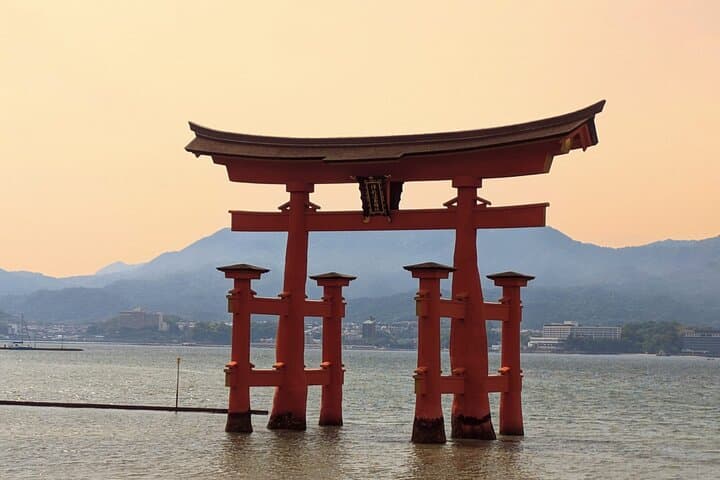
You step off the ferry and the sea opens to a painted red gate standing like a threshold between water and worship. Salt air pushes at your hair, deer nose through souvenir stalls on Omotesando Street, and the footfall of other visitors is softened by wooden boards and mossy stone lanterns.
Verified experiences and guided adventures in the surrounding area.
Operated by Tahir · Hatsukaichi, Hiroshima Prefecture
You step off the ferry and the sea opens to a painted red gate standing like a threshold between water and worship. Salt air pushes at your hair, deer nose through souvenir stalls on Omotesando Street, and the footfall of other visitors is softened by wooden boards and mossy stone lanterns.
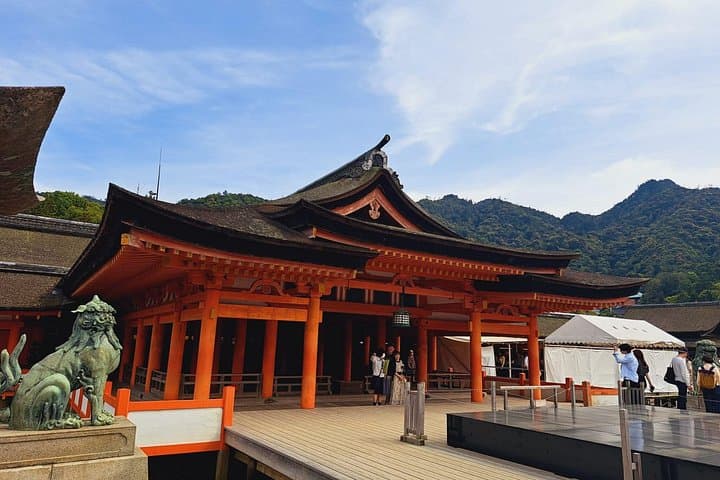
Itsukushima Shrine dates back over a thousand years and was reshaped by centuries of Shinto practice and the patronage of warlords like Toyotomi Hideyoshi, whose Senjokaku pavilion still commands the shoreline. The island’s volcanic ridge—Mount Misen—rises from the Seto Inland Sea, its forests cupped in trails that reveal both Buddhist temples and Shinto shrines, a living overlap of Japan’s religious history.
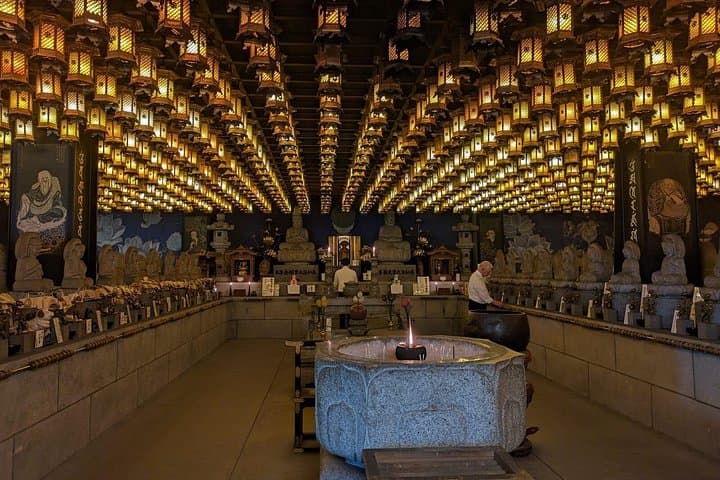
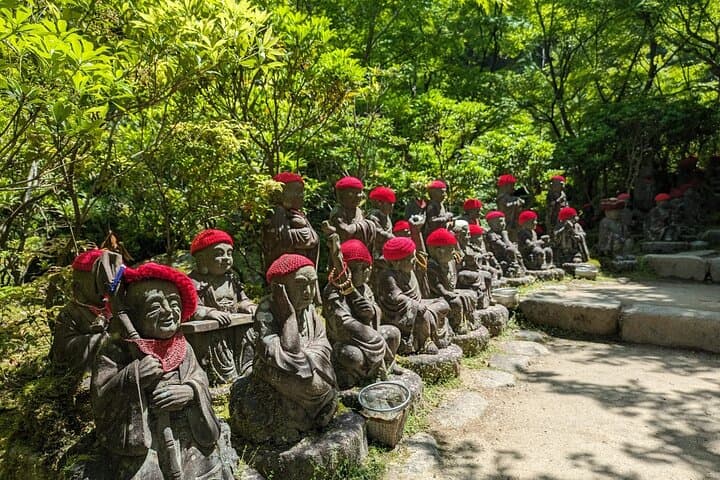
Culture here moves at a deliberate pace: vendors steam momiji manju, local fisheries supply briny oysters, and Daisho-in Temple keeps a quiet discipline of prayer and stone statues along its terraces. Historic architecture sits literally on the water at high tide, then becomes intimate and walkable when the tide falls.
Practical guidance: plan the visit around tide tables—high tide gives the “floating” torii photo; low tide lets you walk near the gate. Expect 5–6 hours for a thorough private tour that includes shrine visits, Momijidani Park, and Daisho-in; wear grippy shoes for stairs and damp wooden walkways. Bring cash for small shops and oyster stands, and allow time for short hikes or a ropeway if you want higher viewpoints. Accessible options exist but stairs and uneven paths mean a moderate level of mobility helps you get the most out of Miyajima.
moderate.
5–6 hours.
Moderate fitness recommended—includes walking on uneven surfaces and some stairs; not a technical hike.
Expect about 5–6 hours to cover the ferry, Itsukushima Shrine, Omotesando Street, Daisho-in, Senjokaku and a walk through Momijidani Park.
High tide gives the classic floating appearance; arrive an hour before or after high tide for best light and fewer crowds.
Some areas and transport options are wheelchair accessible, but many temples and trails include stairs and uneven ground—check specific accessibility needs in advance.
Yes—Miyajima is famed for oysters; many stalls and restaurants serve them freshly grilled or fried, but always check for seasonal availability.
Itsukushima Shrine has been a sacred Shinto site for over a millennium; the current shrine structures date largely to the 12th–16th centuries, influenced by both court and samurai patrons.
The island manages visitor impacts through maintained paths and regulations around shrine preservation; stick to trails and avoid feeding wildlife to reduce ecological disturbances.
Tahir operates guided outdoor trips and adventures with an emphasis on safety, stewardship, and memorable experiences.
You step off the ferry and the sea opens to a painted red gate standing like a threshold between water and worship. Salt air pushes at your hair, deer nose through souvenir stalls on Omotesando Street, and the footfall of other visitors is softened by wooden boards and mossy stone lanterns.
You step off the ferry and the sea opens to a painted red gate standing like a threshold between water and worship. Salt air pushes at your hair, deer nose through souvenir stalls on Omotesando Street, and the footfall of other visitors is softened by wooden boards and mossy stone lanterns.
Itsukushima Shrine dates back over a thousand years and was reshaped by centuries of Shinto practice and the patronage of warlords like Toyotomi Hideyoshi, whose Senjokaku pavilion still commands the shoreline. The island’s volcanic ridge—Mount Misen—rises from the Seto Inland Sea, its forests cupped in trails that reveal both Buddhist temples and Shinto shrines, a living overlap of Japan’s religious history.
Culture here moves at a deliberate pace: vendors steam momiji manju, local fisheries supply briny oysters, and Daisho-in Temple keeps a quiet discipline of prayer and stone statues along its terraces. Historic architecture sits literally on the water at high tide, then becomes intimate and walkable when the tide falls.
Practical guidance: plan the visit around tide tables—high tide gives the “floating” torii photo; low tide lets you walk near the gate. Expect 5–6 hours for a thorough private tour that includes shrine visits, Momijidani Park, and Daisho-in; wear grippy shoes for stairs and damp wooden walkways. Bring cash for small shops and oyster stands, and allow time for short hikes or a ropeway if you want higher viewpoints. Accessible options exist but stairs and uneven paths mean a moderate level of mobility helps you get the most out of Miyajima.