THE ADVENTURE COLLECTIVE® · Independent discovery and booking for outdoor travel

The Museum of Contemporary Art Chicago stages ever-changing exhibitions by living artists in a Kleihues-designed space near the Magnificent Mile. Plan 1–3 hours, check current shows in advance, and leave time for Marisol or the MCA Store.
The Museum of Contemporary Art Chicago stages ever-changing exhibitions by living artists in a Kleihues-designed space near the Magnificent Mile. Plan 1–3 hours, check current shows in advance, and leave time for Marisol or the MCA Store.
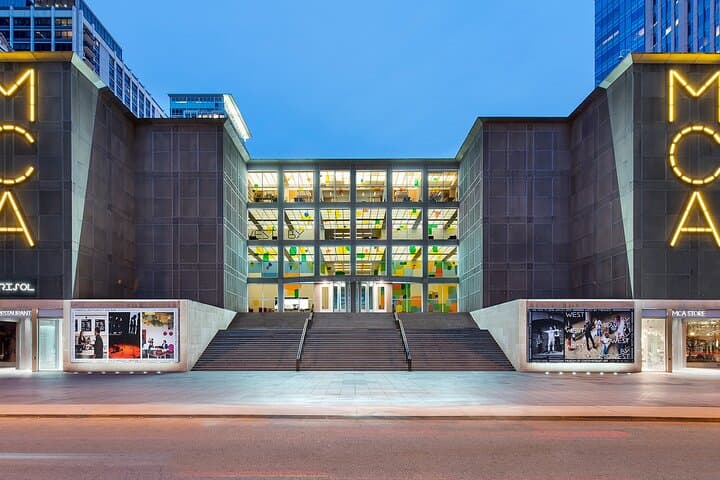
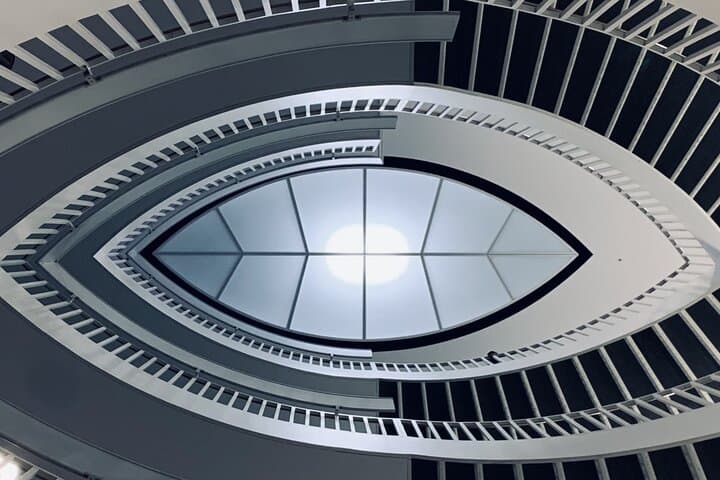
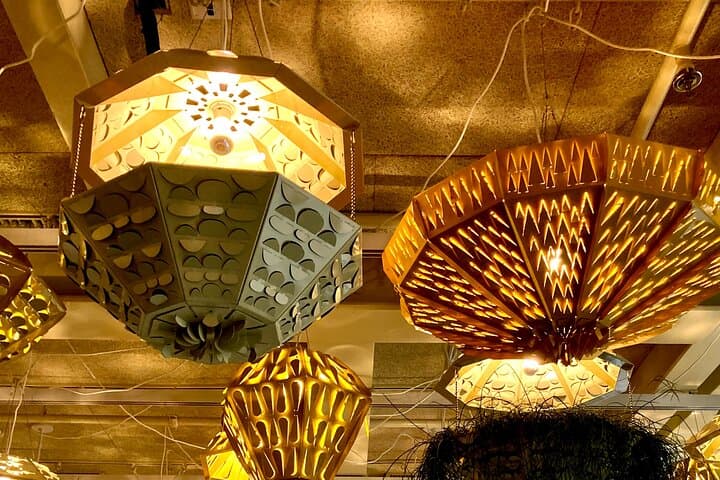
You step off the Magnificent Mile into a bright, rectilinear lobby where light and concrete meet—this is the Museum of Contemporary Art Chicago. Galleries unfold like a rotating program of ideas: sculpture that demands step-around viewing, video works that hold a room, paintings and installations that change with each season. Outside, the lake’s presence is felt in the wind; inside, the building directs your attention to what’s new.
Verified experiences and guided adventures in the surrounding area.
Operated by Museum of Contemporary Art Chicago · Chicago, Illinois
You step off the Magnificent Mile into a bright, rectilinear lobby where light and concrete meet—this is the Museum of Contemporary Art Chicago. Galleries unfold like a rotating program of ideas: sculpture that demands step-around viewing, video works that hold a room, paintings and installations that change with each season. Outside, the lake’s presence is felt in the wind; inside, the building directs your attention to what’s new.
Founded in 1967 as a non-collecting "kunsthalle," the MCA kept its experimental mandate when it moved into Josef Paul Kleihues’s purpose-built facility in 1996. The museum’s program favors living artists and time-based projects rather than a permanent collection, which means every visit is an encounter with something that may be gone on your next trip.
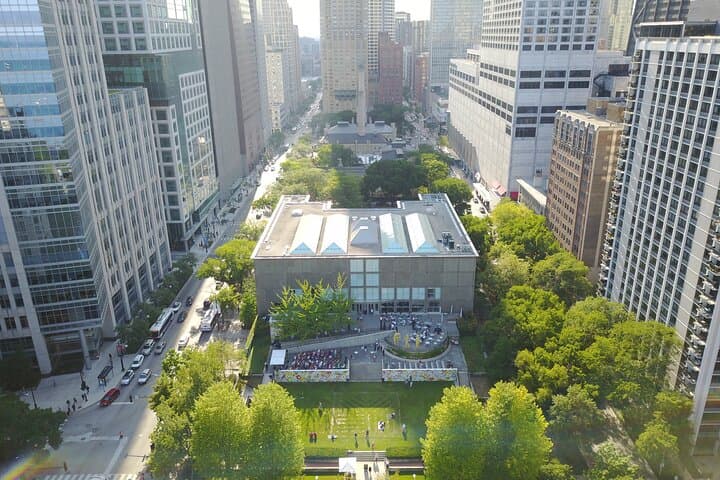
Geology and city intersect here: the flat, glacial plain that created Chicago’s lakefront gave planners room to stack culture and commerce; Streeterville’s post-industrial streets feed into this museum corridor. Culturally, the MCA sits at the crossroads of international contemporary practice and Chicago’s local art communities—expect exhibitions that respond to current events and studio practices.
Practical guidance: plan 60–180 minutes depending on special exhibitions. Purchase mobile tickets in advance, allow extra time for Marisol or the MCA Store, and check gallery notes for photography rules—flash is typically prohibited. The building is fully accessible and well-served by public transit; arrive mid-week or early morning for quieter galleries. Carry a light layer against gallery A/C, use the coat check for bulky items, and take time to read wall text—it often shapes how the work lands.
easy.
1–3 hours.
Suitable for all fitness levels; involves moderate walking and standing.
Allocate 60–180 minutes depending on whether you want to see temporary exhibitions and visit Marisol or the MCA Store.
Yes—the MCA reports full wheelchair accessibility, accessible restrooms, and accommodations for visitors with mobility needs.
Food and drink are restricted to café areas like Marisol and designated rest spaces; follow posted rules in gallery spaces.
Yes—strollers are allowed, but exhibit spaces can be crowded; check specific exhibition advisories for age-appropriate content.
Established in 1967 as a non-collecting kunsthalle, the MCA moved into its current Josef Paul Kleihues–designed building in 1996 and maintains a focus on living artists and temporary exhibitions.
The museum promotes sustainability through visitor recycling, encouraging public transit, and exhibition practices designed to minimize material waste; follow in-gallery guidelines to reduce impact.
Museum of Contemporary Art Chicago operates guided outdoor trips and adventures with an emphasis on safety, stewardship, and memorable experiences.
You step off the Magnificent Mile into a bright, rectilinear lobby where light and concrete meet—this is the Museum of Contemporary Art Chicago. Galleries unfold like a rotating program of ideas: sculpture that demands step-around viewing, video works that hold a room, paintings and installations that change with each season. Outside, the lake’s presence is felt in the wind; inside, the building directs your attention to what’s new.
You step off the Magnificent Mile into a bright, rectilinear lobby where light and concrete meet—this is the Museum of Contemporary Art Chicago. Galleries unfold like a rotating program of ideas: sculpture that demands step-around viewing, video works that hold a room, paintings and installations that change with each season. Outside, the lake’s presence is felt in the wind; inside, the building directs your attention to what’s new.
Founded in 1967 as a non-collecting "kunsthalle," the MCA kept its experimental mandate when it moved into Josef Paul Kleihues’s purpose-built facility in 1996. The museum’s program favors living artists and time-based projects rather than a permanent collection, which means every visit is an encounter with something that may be gone on your next trip.
Geology and city intersect here: the flat, glacial plain that created Chicago’s lakefront gave planners room to stack culture and commerce; Streeterville’s post-industrial streets feed into this museum corridor. Culturally, the MCA sits at the crossroads of international contemporary practice and Chicago’s local art communities—expect exhibitions that respond to current events and studio practices.
Practical guidance: plan 60–180 minutes depending on special exhibitions. Purchase mobile tickets in advance, allow extra time for Marisol or the MCA Store, and check gallery notes for photography rules—flash is typically prohibited. The building is fully accessible and well-served by public transit; arrive mid-week or early morning for quieter galleries. Carry a light layer against gallery A/C, use the coat check for bulky items, and take time to read wall text—it often shapes how the work lands.