THE ADVENTURE COLLECTIVE® · Independent discovery and booking for outdoor travel

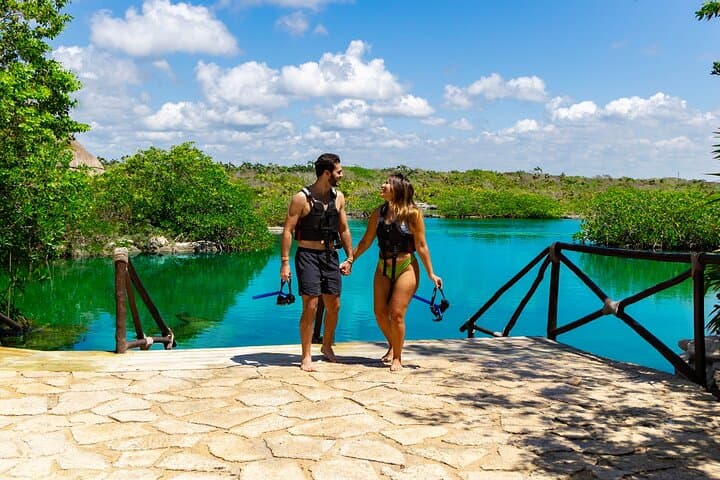
Float through ancient limestone caverns and then snorkel the calm, brackish waters of Yal-Ku Lagoon where freshwater and sea meet. This 3.5-hour guided trip blends Mayan geology, close-up marine life viewing and practical safety for a hands-on Riviera Maya experience.
Float through ancient limestone caverns and then snorkel the calm, brackish waters of Yal-Ku Lagoon where freshwater and sea meet. This 3.5-hour guided trip blends Mayan geology, close-up marine life viewing and practical safety for a hands-on Riviera Maya experience.
Staring into the blue-green throat of a cenote, the surface is a mirror until it isn't—light fractures through an opening and the water seems to breathe. Participants begin at a series of freshwater sinkholes carved from limestone, floating on cool, clear water while stalactites and scalloped rock faces lean in like ancient witnesses.
Verified experiences and guided adventures in the surrounding area.
Operated by Cancun Adventures · Akumal, Quintana Roo
Staring into the blue-green throat of a cenote, the surface is a mirror until it isn't—light fractures through an opening and the water seems to breathe. Participants begin at a series of freshwater sinkholes carved from limestone, floating on cool, clear water while stalactites and scalloped rock faces lean in like ancient witnesses.
Cenotes are windows into the Yucatán's karst geology: collapsed caves exposing the aquifer below. The Maya treated these natural wells as vital freshwater sources and ritual sites; visiting one still feels like stepping through a cultural seam where geology and history intersect. After the cenotes, the tour moves to Yal-Ku, a brackish inlet where groundwater and sea mix, producing calm pockets of life—blue tangs, parrotfish and varieties of wrasse dart between submerged rock shelves.
Expect gentle currents, shallow snorkeling in crystalline water, and close-up views of limestone formations and fish communities. Guides supply snorkel gear, life jackets and local context; photos and electronic devices are typically restricted inside cenotes to protect both culture and environment.
Practical tips: come hydrated and sun-protected, wear a rash guard or quick-dry gear, and wear water shoes for uneven entry points. The activity is moderate—3 to 3.5 hours with short swims and periods of floating—so basic swimming ability is required. Timing matters: morning trips often mean softer light inside cenotes and calmer lagoon conditions. Respect posted rules, use reef-safe sunscreen only, and follow guide instructions to keep these fragile freshwater and marine habitats healthy for future visitors.
moderate.
3–3.5 hours.
Participants should have moderate fitness and be able to swim short distances; brief walking on uneven limestone required.
Round‑trip transport from most hotels in Playa del Carmen and the Riviera Maya is included; pickup time varies by hotel location.
Non‑swimmers are generally not recommended; life jackets are provided but guests must be comfortable in water and able to float and follow guide instructions.
Electronic devices are usually restricted inside cenotes to protect fragile sites and because of safety—ask your guide about approved photo locations.
Minimum age is typically 6 years; children should be supervised and meet the basic swim and height requirements set by the operator.
Cenotes were vital freshwater sources for the Maya and often held ritual importance; many sites still show archaeological and cultural remnants.
Use reef‑safe sunscreen, avoid touching formations or marine life, and follow guide instructions—these practices help protect fragile karst and reef ecosystems.
Cancun Adventures operates guided outdoor trips and adventures with an emphasis on safety, stewardship, and memorable experiences.

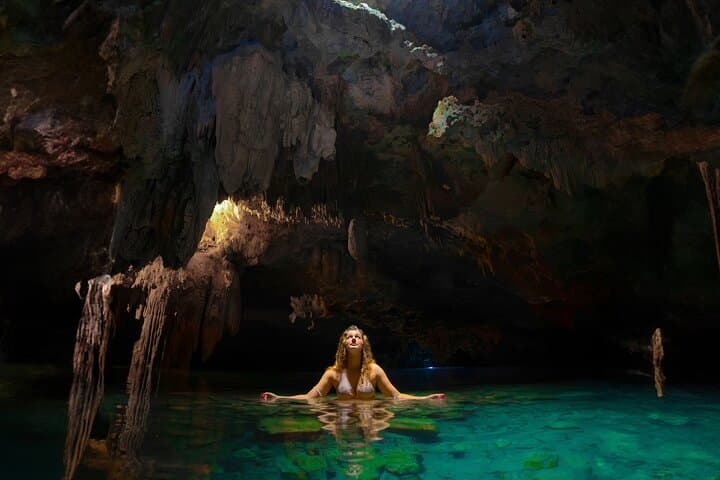

Staring into the blue-green throat of a cenote, the surface is a mirror until it isn't—light fractures through an opening and the water seems to breathe. Participants begin at a series of freshwater sinkholes carved from limestone, floating on cool, clear water while stalactites and scalloped rock faces lean in like ancient witnesses.
Staring into the blue-green throat of a cenote, the surface is a mirror until it isn't—light fractures through an opening and the water seems to breathe. Participants begin at a series of freshwater sinkholes carved from limestone, floating on cool, clear water while stalactites and scalloped rock faces lean in like ancient witnesses.
Cenotes are windows into the Yucatán's karst geology: collapsed caves exposing the aquifer below. The Maya treated these natural wells as vital freshwater sources and ritual sites; visiting one still feels like stepping through a cultural seam where geology and history intersect. After the cenotes, the tour moves to Yal-Ku, a brackish inlet where groundwater and sea mix, producing calm pockets of life—blue tangs, parrotfish and varieties of wrasse dart between submerged rock shelves.
Expect gentle currents, shallow snorkeling in crystalline water, and close-up views of limestone formations and fish communities. Guides supply snorkel gear, life jackets and local context; photos and electronic devices are typically restricted inside cenotes to protect both culture and environment.
Practical tips: come hydrated and sun-protected, wear a rash guard or quick-dry gear, and wear water shoes for uneven entry points. The activity is moderate—3 to 3.5 hours with short swims and periods of floating—so basic swimming ability is required. Timing matters: morning trips often mean softer light inside cenotes and calmer lagoon conditions. Respect posted rules, use reef-safe sunscreen only, and follow guide instructions to keep these fragile freshwater and marine habitats healthy for future visitors.