THE ADVENTURE COLLECTIVE® · Independent discovery and booking for outdoor travel

Wander the winding alleys of Marrakech’s ancient souks with a private guide who knows the best stalls, bargaining customs, and where artisans still work by hand. This half-day tour pairs local insight with practical tips to shop smart and shop ethically.
Wander the winding alleys of Marrakech’s ancient souks with a private guide who knows the best stalls, bargaining customs, and where artisans still work by hand. This half-day tour pairs local insight with practical tips to shop smart and shop ethically.
You step from the square into a narrowing of alleys where color and sound press close—the souk breathes around you like a living market. Stalls lean in with piles of turmeric and saffron, hammered brass, leather babouches, and glass lamps that wink in slanted light. Your guide threads the lanes with practiced ease, pointing out workshop doors where skills are passed across generations.
Verified experiences and guided adventures in the surrounding area.
Operated by Morocco Activities Outdoors · Marrakech, Marrakech-Safi
You step from the square into a narrowing of alleys where color and sound press close—the souk breathes around you like a living market. Stalls lean in with piles of turmeric and saffron, hammered brass, leather babouches, and glass lamps that wink in slanted light. Your guide threads the lanes with practiced ease, pointing out workshop doors where skills are passed across generations.
The Marrakesh souks grew out of caravan trade routes and medieval artisan quarters inside the old Medina, itself a UNESCO World Heritage area. The alleys follow old patterns of commerce: metalworkers clustered near tanners, spice sellers near dye-stalls. Culture here is public and loud—haggling is part etiquette, part theater, and a practiced skill visitors can learn.
Expect cobbled surfaces, stepping over delivery carts and locals carrying bundles, and a mix of modern tourists and neighborhood shoppers. Sensory detail matters: spices that bite at the back of the throat, the soft scrape of wool being carded, and the heat of the afternoon pressing colors brighter.
Practical guidance: wear comfortable, closed-toe shoes for uneven paving; carry small-denomination Moroccan dirhams for purchases; bring a lightweight daypack and a refillable water bottle. Morning or late-afternoon departures are cooler and less crowded. Respect shopkeepers—ask before photographing interiors—and support established artisans when possible. A private guide removes much of the hassle and helps you avoid common tourist scams, turning bargaining into a friendly exchange rather than a showdown.
easy.
3–4 hours.
Suitable for most fitness levels; requires walking on uneven, crowded surfaces for several hours.
Yes—many alleys are stroller-accessible but can be narrow; ask your guide to avoid the busiest corridors and they can suggest stroller-friendly routes.
Most small vendors accept cash only; larger shops may take cards but always carry dirhams for markets and haggling.
Yes—the guide will explain local bargaining etiquette, suggest target prices, and can negotiate on your behalf if you prefer.
Portions of the Medina are flat and accessible, but some side alleys and workshops have steps—check directly with the operator about full accessibility options.
The Marrakesh souks evolved from medieval caravan trade and artisan quarters inside the old Medina; craft guilds and family workshops have shaped the market’s layout for centuries.
Support local artisans and avoid products made from endangered species; opt for natural-dye textiles and ask about materials to reduce demand for harmful wildlife-derived goods.
Morocco Activities Outdoors operates guided outdoor trips and adventures with an emphasis on safety, stewardship, and memorable experiences.
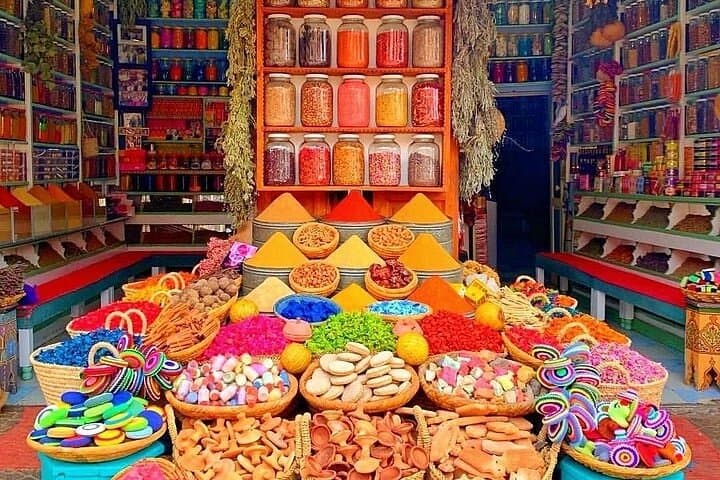
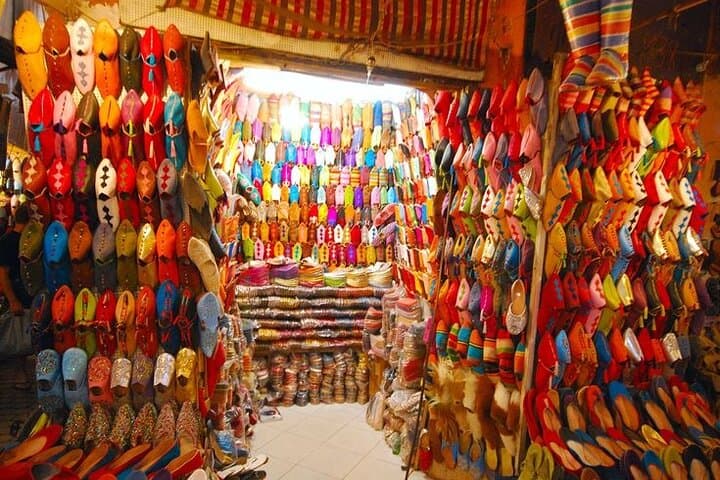
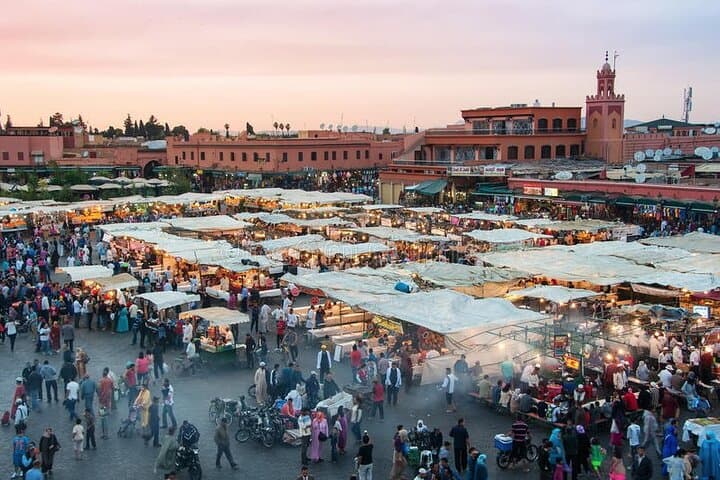
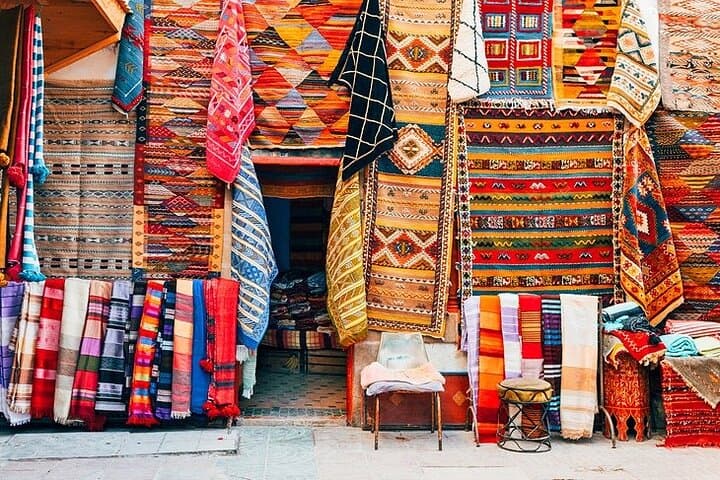
You step from the square into a narrowing of alleys where color and sound press close—the souk breathes around you like a living market. Stalls lean in with piles of turmeric and saffron, hammered brass, leather babouches, and glass lamps that wink in slanted light. Your guide threads the lanes with practiced ease, pointing out workshop doors where skills are passed across generations.
You step from the square into a narrowing of alleys where color and sound press close—the souk breathes around you like a living market. Stalls lean in with piles of turmeric and saffron, hammered brass, leather babouches, and glass lamps that wink in slanted light. Your guide threads the lanes with practiced ease, pointing out workshop doors where skills are passed across generations.
The Marrakesh souks grew out of caravan trade routes and medieval artisan quarters inside the old Medina, itself a UNESCO World Heritage area. The alleys follow old patterns of commerce: metalworkers clustered near tanners, spice sellers near dye-stalls. Culture here is public and loud—haggling is part etiquette, part theater, and a practiced skill visitors can learn.
Expect cobbled surfaces, stepping over delivery carts and locals carrying bundles, and a mix of modern tourists and neighborhood shoppers. Sensory detail matters: spices that bite at the back of the throat, the soft scrape of wool being carded, and the heat of the afternoon pressing colors brighter.
Practical guidance: wear comfortable, closed-toe shoes for uneven paving; carry small-denomination Moroccan dirhams for purchases; bring a lightweight daypack and a refillable water bottle. Morning or late-afternoon departures are cooler and less crowded. Respect shopkeepers—ask before photographing interiors—and support established artisans when possible. A private guide removes much of the hassle and helps you avoid common tourist scams, turning bargaining into a friendly exchange rather than a showdown.