THE ADVENTURE COLLECTIVE® · Independent discovery and booking for outdoor travel

Wander the medieval lanes of Marrakech’s souks with a local guide on a curated four-hour shopping tour. Learn craft histories, practice bargaining, and arrange hotel delivery or shipping for larger finds.
Wander the medieval lanes of Marrakech’s souks with a local guide on a curated four-hour shopping tour. Learn craft histories, practice bargaining, and arrange hotel delivery or shipping for larger finds.
You step from the clamor of Jemaa el-Fna into lanes that fold like a sleeve — spices puffing from wooden bins, copper lanterns flashing under the low sun, and the smell of leather and orange blossom tugging you deeper.
Verified experiences and guided adventures in the surrounding area.
Operated by Marrakech Day Trips · Marrakech, Marrakech-Safi
You step from the clamor of Jemaa el-Fna into lanes that fold like a sleeve — spices puffing from wooden bins, copper lanterns flashing under the low sun, and the smell of leather and orange blossom tugging you deeper.
This four-hour walking tour threads the medieval medina where Marrakech grew around trade routes from the Sahara and across the Atlas Mountains. Buildings of baked red earth and carved cedar tell of a city shaped by Berber and Arab artisans; the souks themselves are organized by craft guilds that have worked these streets for centuries.
Expect to visit metal workshops, a tannery courtyard, silversmiths, and a women’s cooperative that still weaves carpets on hand looms. The terrain is compact stone alleys with occasional steps and crowded passages—urban, sensory, and tactile rather than physically demanding.
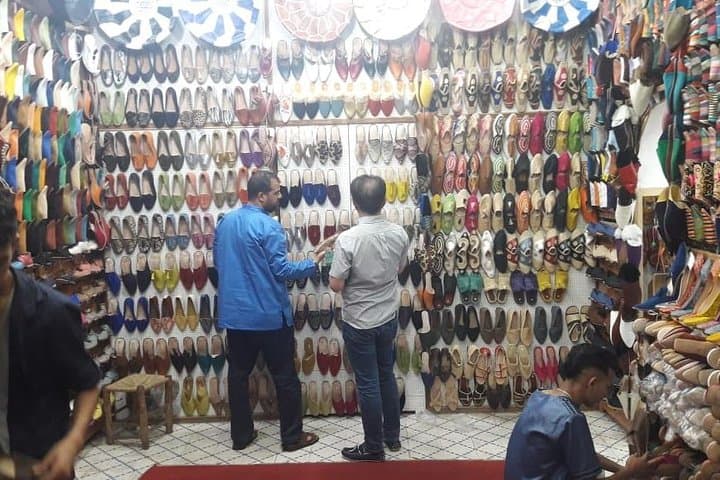
Practical notes: bring small-denomination cash for haggling, wear closed-toe shoes for narrow lanes and workshop floors, and keep modest dress for respect in religious neighborhoods. Bargaining is customary; start around 40–60% of the asking price and meet in the middle. The tour includes bottled water, mint tea stops, and options for free hotel delivery and door-to-door shipping for larger purchases.
Timing matters—late morning or early afternoon avoids the busiest heat and shows artisans at work. Ask your guide about provenance and materials before buying, and look for cooperative-stamped carpets or silver to support local makers. This is part cultural history lesson, part practical marketcraft: a hands-on way to bring Marrakech home with a story attached.
easy.
4 hours.
Suitable for most fitness levels; requires steady walking on uneven, crowded alleys.
Yes—haggling is customary; your guide will coach you and often help translate or suggest fair ranges.
Yes—the tour offers free hotel delivery and door-to-door shipping options for carpets and furniture; confirm timing and documentation with your guide before purchase.
Many areas and transport options are wheelchair accessible, but some souk alleys have steps or narrow passages—notify the operator of mobility needs when booking.
Smaller artisans usually accept cash only; some larger stores accept cards but expect better prices when paying cash.
Marrakech’s medina grew from a 11th-century trading center; its souks were historically arranged by guild so craftsmen of similar trades clustered together.
Support certified cooperatives and ask about materials—buying from reputable makers helps sustain traditional crafts and reduces demand for illegally sourced materials.
Marrakech Day Trips operates guided outdoor trips and adventures with an emphasis on safety, stewardship, and memorable experiences.

You step from the clamor of Jemaa el-Fna into lanes that fold like a sleeve — spices puffing from wooden bins, copper lanterns flashing under the low sun, and the smell of leather and orange blossom tugging you deeper.
You step from the clamor of Jemaa el-Fna into lanes that fold like a sleeve — spices puffing from wooden bins, copper lanterns flashing under the low sun, and the smell of leather and orange blossom tugging you deeper.
This four-hour walking tour threads the medieval medina where Marrakech grew around trade routes from the Sahara and across the Atlas Mountains. Buildings of baked red earth and carved cedar tell of a city shaped by Berber and Arab artisans; the souks themselves are organized by craft guilds that have worked these streets for centuries.
Expect to visit metal workshops, a tannery courtyard, silversmiths, and a women’s cooperative that still weaves carpets on hand looms. The terrain is compact stone alleys with occasional steps and crowded passages—urban, sensory, and tactile rather than physically demanding.
Practical notes: bring small-denomination cash for haggling, wear closed-toe shoes for narrow lanes and workshop floors, and keep modest dress for respect in religious neighborhoods. Bargaining is customary; start around 40–60% of the asking price and meet in the middle. The tour includes bottled water, mint tea stops, and options for free hotel delivery and door-to-door shipping for larger purchases.
Timing matters—late morning or early afternoon avoids the busiest heat and shows artisans at work. Ask your guide about provenance and materials before buying, and look for cooperative-stamped carpets or silver to support local makers. This is part cultural history lesson, part practical marketcraft: a hands-on way to bring Marrakech home with a story attached.