THE ADVENTURE COLLECTIVE® · Independent discovery and booking for outdoor travel

Walk through Marrakech’s Medina with an experienced local guide who connects the city’s living markets to its layered history. This 3–4 hour tour pairs cultural context with practical navigation of the souks and monuments.
Walk through Marrakech’s Medina with an experienced local guide who connects the city’s living markets to its layered history. This 3–4 hour tour pairs cultural context with practical navigation of the souks and monuments.
You enter Jemaa el‑Fnaa and the city breathes around you: spice stalls pulse with citrus and cumin, snake‑charmers pause beneath the shade of orange trees, and footsteps echo on ochre walls worn smooth by centuries. This guided 3–4 hour walk with Mohammed threads through the Medina’s main arteries—from the market chaos to quieter courtyards—balancing sensory moments with historical context.
Verified experiences and guided adventures in the surrounding area.
Operated by Mohamed street food · Marrakech, Marrakech-Safi
You enter Jemaa el‑Fnaa and the city breathes around you: spice stalls pulse with citrus and cumin, snake‑charmers pause beneath the shade of orange trees, and footsteps echo on ochre walls worn smooth by centuries. This guided 3–4 hour walk with Mohammed threads through the Medina’s main arteries—from the market chaos to quieter courtyards—balancing sensory moments with historical context.
Marrakech traces its modern shape to the 11th‑century Almoravid dynasty; the city’s red ramparts are clay and limestone pulled from nearby plains and the foothills of the High Atlas. The tour commonly stops at landmarks such as Bahia Palace, the Koutoubia view corridor, the Mellah (historic Jewish quarter), and a medersa where scholars once gathered—each site revealing layers of trade, religion, and artisan craft that shaped the city’s identity.
Culturally, expect live commerce: vendors, food stalls, and artisans practicing centuries‑old techniques. The guide interprets codes of conduct and bargaining rituals so you can move through markets respectfully and effectively.
Practical guidance: the route is mostly paved but uneven in places; bring supportive shoes and a refillable water bottle. Morning or late‑afternoon departures reduce heat exposure and make photography easier. Modest dress is advised at religious sites; carry small change for entrance fees, tips, or purchases. The pace is accessible for most adults, but the tour involves standing and short walks between stops. If you have mobility limits, notify the guide in advance—routes can be adjusted. In short: vivid urban immersion, grounded in history and local insight, run at a comfortable walking rhythm suited to first‑time visitors and repeat travelers alike.
easy.
3–4 hours.
Light walking; suitable for most adults with basic mobility. Some standing and short walks between stops.
The meeting point is in front of Café Argana at Jemaa el‑Fnaa; the guide will identify themselves and begin from the main square.
Yes—this tour is family‑friendly; infant seats and reduced walking paces can be accommodated if requested at booking.
Yes—entrance fees to listed landmarks (such as Bahia Palace and the medersa) are included in the tour price.
Yes—notify the guide when booking to adapt routes and reduce stairs or long walks where possible.
Marrakech developed into a major Almoravid center in the 11th century; its medina walls and palaces reflect centuries of North African dynastic rule and Mediterranean trade.
Water is a scarce resource in the region and many riads practice conservative use; visitors are encouraged to minimize laundry and refill bottles rather than buying plastic.
Mohamed street food operates guided outdoor trips and adventures with an emphasis on safety, stewardship, and memorable experiences.
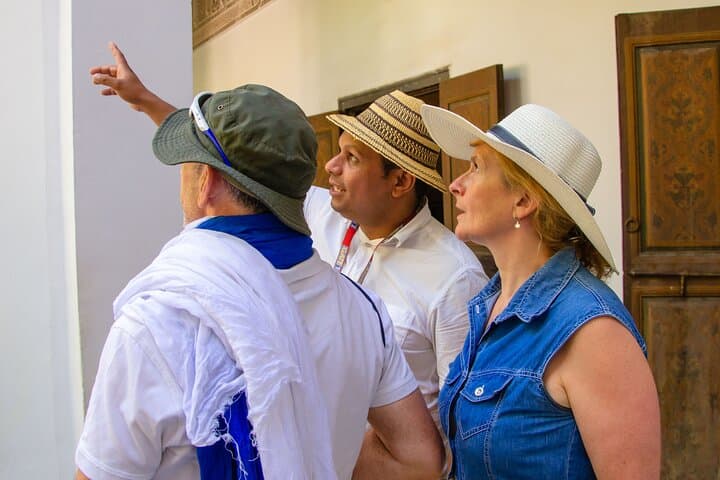
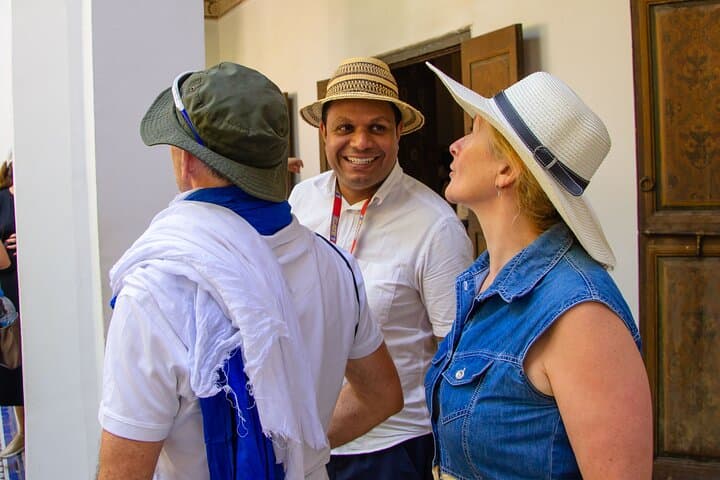
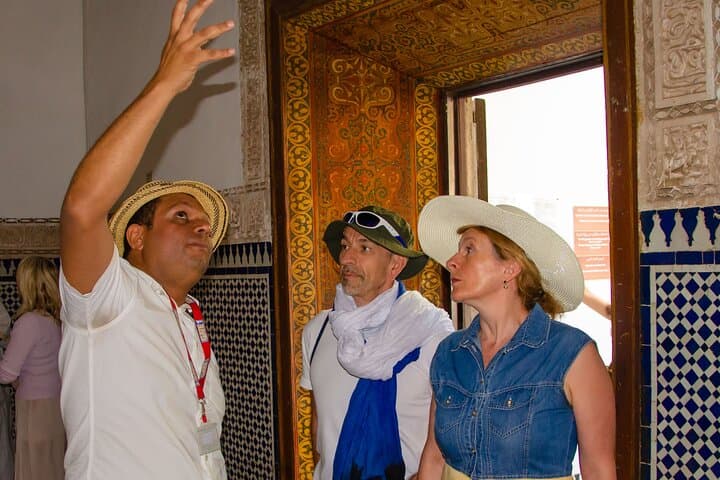
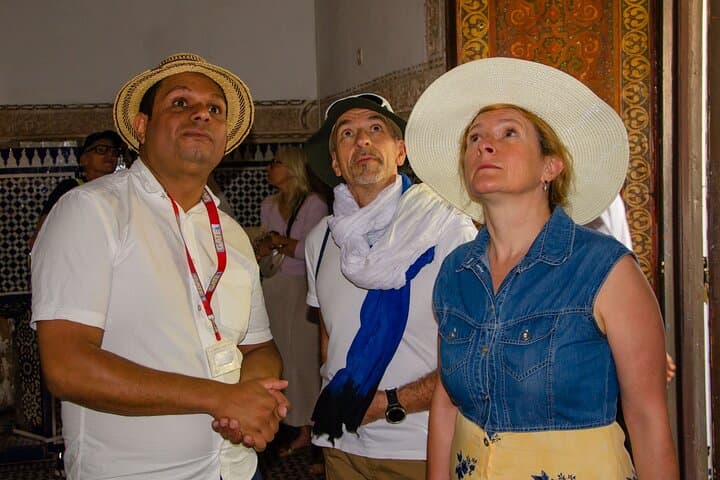
You enter Jemaa el‑Fnaa and the city breathes around you: spice stalls pulse with citrus and cumin, snake‑charmers pause beneath the shade of orange trees, and footsteps echo on ochre walls worn smooth by centuries. This guided 3–4 hour walk with Mohammed threads through the Medina’s main arteries—from the market chaos to quieter courtyards—balancing sensory moments with historical context.
You enter Jemaa el‑Fnaa and the city breathes around you: spice stalls pulse with citrus and cumin, snake‑charmers pause beneath the shade of orange trees, and footsteps echo on ochre walls worn smooth by centuries. This guided 3–4 hour walk with Mohammed threads through the Medina’s main arteries—from the market chaos to quieter courtyards—balancing sensory moments with historical context.
Marrakech traces its modern shape to the 11th‑century Almoravid dynasty; the city’s red ramparts are clay and limestone pulled from nearby plains and the foothills of the High Atlas. The tour commonly stops at landmarks such as Bahia Palace, the Koutoubia view corridor, the Mellah (historic Jewish quarter), and a medersa where scholars once gathered—each site revealing layers of trade, religion, and artisan craft that shaped the city’s identity.
Culturally, expect live commerce: vendors, food stalls, and artisans practicing centuries‑old techniques. The guide interprets codes of conduct and bargaining rituals so you can move through markets respectfully and effectively.
Practical guidance: the route is mostly paved but uneven in places; bring supportive shoes and a refillable water bottle. Morning or late‑afternoon departures reduce heat exposure and make photography easier. Modest dress is advised at religious sites; carry small change for entrance fees, tips, or purchases. The pace is accessible for most adults, but the tour involves standing and short walks between stops. If you have mobility limits, notify the guide in advance—routes can be adjusted. In short: vivid urban immersion, grounded in history and local insight, run at a comfortable walking rhythm suited to first‑time visitors and repeat travelers alike.