THE ADVENTURE COLLECTIVE® · Independent discovery and booking for outdoor travel

Climb stone steps into open-air caves, visit centuries-old pagodas, and stand above the coast on Thuy Son at the Marble Mountains. This short day trip blends geology, craft villages and coastal vistas into a compact cultural hike.
Climb stone steps into open-air caves, visit centuries-old pagodas, and stand above the coast on Thuy Son at the Marble Mountains. This short day trip blends geology, craft villages and coastal vistas into a compact cultural hike.
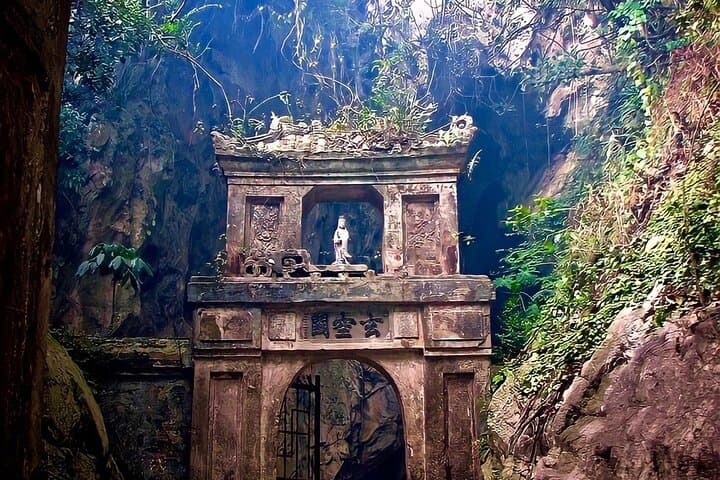
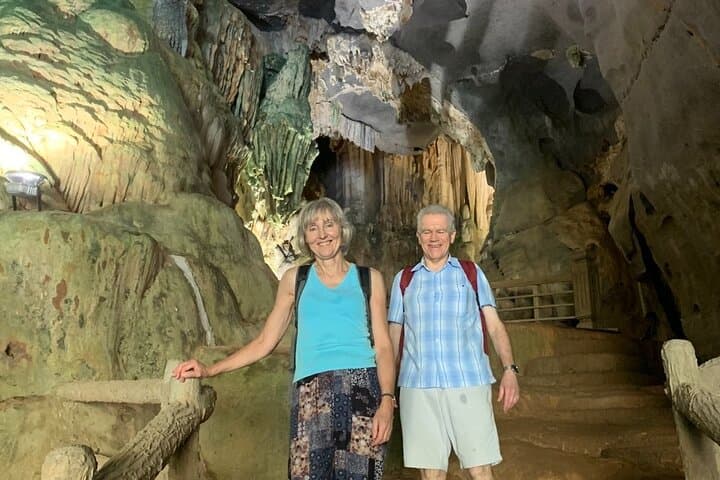
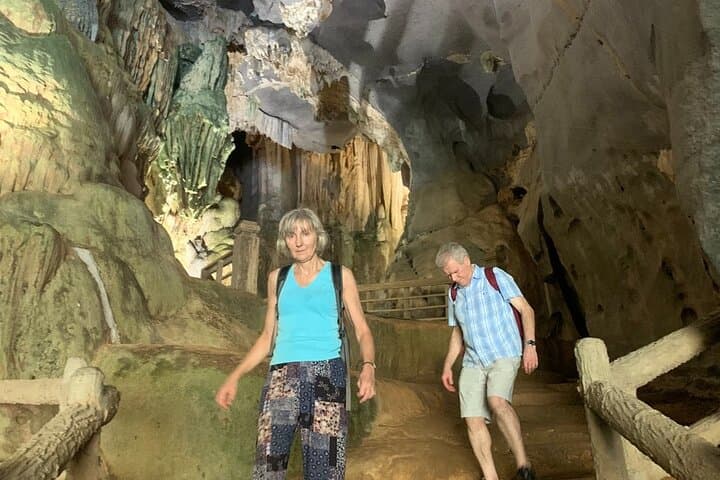
You come up the stone steps and the limestone face seems to breathe — cool drafts from cave mouths, salt on the air from the nearby coast, and the low chiming of temple bells. From the foothills the five marble and limestone peaks of Ngu Hanh Son rise abruptly from rice paddies and coastal sands; visitors thread narrow stairways past pagodas carved into grottoes to reach sweeping views of Da Nang and the South China Sea.
Verified experiences and guided adventures in the surrounding area.
Operated by Billy Vietnam Travel · Da Nang, Da Nang
You come up the stone steps and the limestone face seems to breathe — cool drafts from cave mouths, salt on the air from the nearby coast, and the low chiming of temple bells. From the foothills the five marble and limestone peaks of Ngu Hanh Son rise abruptly from rice paddies and coastal sands; visitors thread narrow stairways past pagodas carved into grottoes to reach sweeping views of Da Nang and the South China Sea.
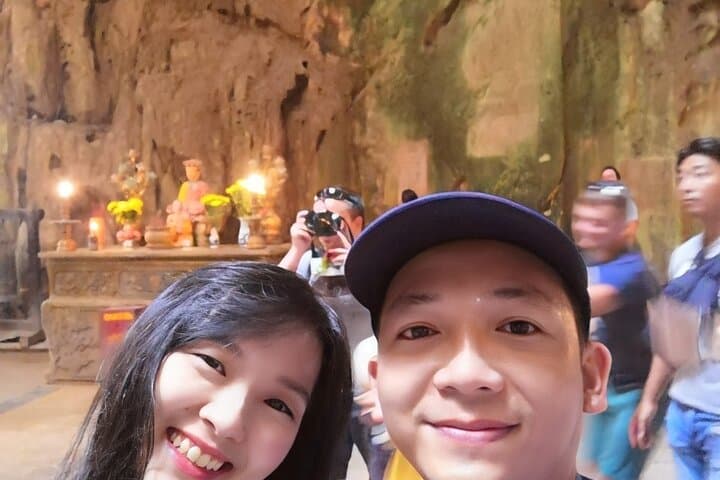
The Marble Mountains are a compact cluster of five hills named after the five elements; Thuy Son (Water) is the only summit with developed access for visitors. Geologically the formations are porous limestone and marble, shaped by sea, uplift and weathering into caves and tunnels whose interiors host Buddhist and Hindu shrines. Tam Thai Pagoda (dating back to the 17th century) and Huyen Khong cave are cultural highlights, while the nearby Non Nuoc stone-carving village keeps an old craft alive.
Practical guidance: allow about 3–4 hours to move through the main caves, pagodas and the summit; bring sturdy shoes for steep stone steps and uneven cave floors. Expect many steps and a few narrow ledges — the route is physically easy for steady walkers but can be tiring in midday heat. Carry water, sun protection and modest clothing for temple entry. Entrance is typically paid at the site; plan transport from Da Nang or Hoi An and avoid the mid-day bustle by arriving early.
This is a short, sensory hike with cultural payoff — caves that pull light into their domes, carved Buddhas tucked into hollows, and a coastal panorama that rewards the climb.
moderate.
3–4 hours.
Suitable for most people who can handle stair climbing and short uphill sections; not recommended for those with serious mobility or spinal issues.
Plan 3–4 hours to see main caves, Tam Thai Pagoda and the Thuy Son summit at a measured pace.
Many areas are family-friendly, but the climb includes many steep stairs and narrow passages; assess mobility and avoid if mobility is limited.
There is a paid entrance to the site; optional local guides are available and can add cultural context and shortcut directions.
Yes—the Non Nuoc stone carving village is adjacent and open to visitors; workshops often allow viewing and small purchases.
Tam Thai Pagoda on Thuy Son traces roots back to the 17th century; the cluster has long been a spiritual and quarrying site where marble carving developed into a local craft.
High visitor numbers accelerate erosion of stairs and cave floors—stick to paved paths, avoid touching delicate carvings, and support local workshops that follow sustainable sourcing practices.
Billy Vietnam Travel operates guided outdoor trips and adventures with an emphasis on safety, stewardship, and memorable experiences.
You come up the stone steps and the limestone face seems to breathe — cool drafts from cave mouths, salt on the air from the nearby coast, and the low chiming of temple bells. From the foothills the five marble and limestone peaks of Ngu Hanh Son rise abruptly from rice paddies and coastal sands; visitors thread narrow stairways past pagodas carved into grottoes to reach sweeping views of Da Nang and the South China Sea.
You come up the stone steps and the limestone face seems to breathe — cool drafts from cave mouths, salt on the air from the nearby coast, and the low chiming of temple bells. From the foothills the five marble and limestone peaks of Ngu Hanh Son rise abruptly from rice paddies and coastal sands; visitors thread narrow stairways past pagodas carved into grottoes to reach sweeping views of Da Nang and the South China Sea.
The Marble Mountains are a compact cluster of five hills named after the five elements; Thuy Son (Water) is the only summit with developed access for visitors. Geologically the formations are porous limestone and marble, shaped by sea, uplift and weathering into caves and tunnels whose interiors host Buddhist and Hindu shrines. Tam Thai Pagoda (dating back to the 17th century) and Huyen Khong cave are cultural highlights, while the nearby Non Nuoc stone-carving village keeps an old craft alive.
Practical guidance: allow about 3–4 hours to move through the main caves, pagodas and the summit; bring sturdy shoes for steep stone steps and uneven cave floors. Expect many steps and a few narrow ledges — the route is physically easy for steady walkers but can be tiring in midday heat. Carry water, sun protection and modest clothing for temple entry. Entrance is typically paid at the site; plan transport from Da Nang or Hoi An and avoid the mid-day bustle by arriving early.
This is a short, sensory hike with cultural payoff — caves that pull light into their domes, carved Buddhas tucked into hollows, and a coastal panorama that rewards the climb.