THE ADVENTURE COLLECTIVE® · Independent discovery and booking for outdoor travel

Spend three hours walking Maputo’s downtown to see its Art Deco buildings, bustling Central Market, and historic train station. This compact tour mixes architecture, food, and local stories—ideal for first-time visitors who want an efficient, on-foot introduction to the city.
Spend three hours walking Maputo’s downtown to see its Art Deco buildings, bustling Central Market, and historic train station. This compact tour mixes architecture, food, and local stories—ideal for first-time visitors who want an efficient, on-foot introduction to the city.
A late-morning sun slips over Praça da Independência as a small group threads between Art Deco facades and the broad, worn stones of Maputo’s downtown. The tour unfolds on foot—three hours of streets, plazas and a market where spice-sellers call out and fruit bats stir like dusk-watchers in the garden trees.
Verified experiences and guided adventures in the surrounding area.
Operated by Maputo Tour Guides · Maputo, Maputo Province
A late-morning sun slips over Praça da Independência as a small group threads between Art Deco facades and the broad, worn stones of Maputo’s downtown. The tour unfolds on foot—three hours of streets, plazas and a market where spice-sellers call out and fruit bats stir like dusk-watchers in the garden trees.
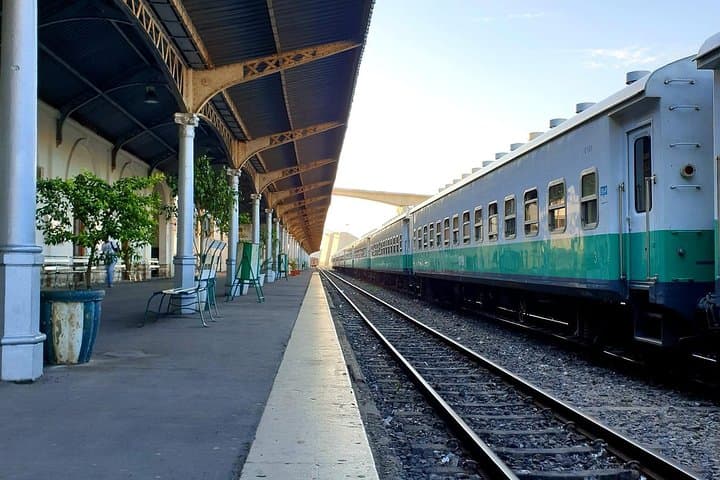
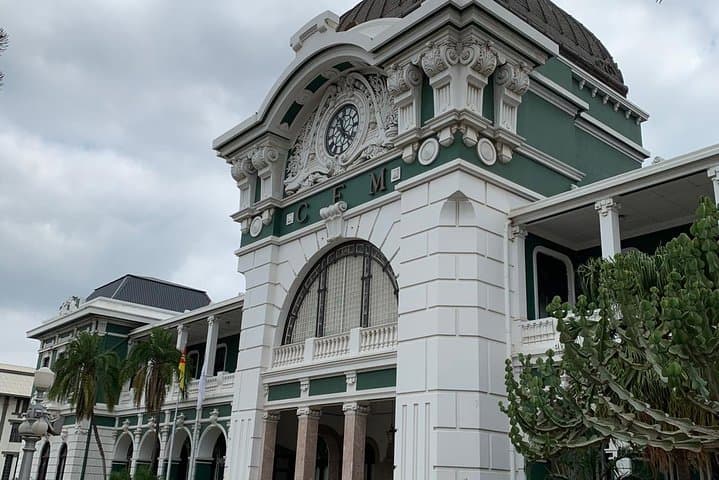
Guides point out key chapters of the city’s past: the cathedral of Nossa Senhora da Conceição with its wartime stained glass; the ornate Town Hall and the bronze Samora Machel statue that anchors the main avenue; the iron house attributed to Eiffel’s era; and the train station often named among southern Africa’s most beautiful. Along the way, the Central Market offers a lesson in local foodways—cassava, cashews and the green leaves used for matapa—while the French Cultural Centre highlights contemporary art made from unexpected materials.
Geology is subtle here: low coastal plains meet Indian Ocean air, so streets can feel humid and salty, the climate shaping tile, iron and stucco that age rapidly under sun and sea. Culturally, downtown is a living collage of Portuguese colonial architecture, Afro-Mozambican life and modern creativity.
Practical guidance: start in the morning or late afternoon to avoid midday heat, bring water and sun protection, and carry small bills for market purchases. The route is flat and accessible to most walkers; expect uneven sidewalks and short stretches of cobbled pavement. With attentive guides and a steady pace, this tour is an efficient way to read Maputo’s history through its streets and people.
easy.
3 hours.
Suitable for most fitness levels; requires standing and walking on flat urban terrain for three hours
The tour is three hours and covers central Maputo at a relaxed pace—expect roughly 3–4 kilometers on mostly flat streets.
The route is generally flat but has uneven sidewalks and some cobbles; infants may sit on laps as required and accessibility depends on specific mobility needs—check with the operator for accommodations.
The itinerary typically includes snacks and stops at the Central Market where guides may offer small tastings; full meals are not included.
Tours are commonly offered in English and Portuguese; confirm language availability at booking.
Downtown Maputo reflects successive eras—from late-19th-century colonial expansion to post-independence reimagining—visible in monuments, street names and public buildings.
Visitors should avoid single-use plastics, stay on paved pathways in gardens, and support local vendors to help sustain small businesses and conserve urban green spaces.
Maputo Tour Guides operates guided outdoor trips and adventures with an emphasis on safety, stewardship, and memorable experiences.

A late-morning sun slips over Praça da Independência as a small group threads between Art Deco facades and the broad, worn stones of Maputo’s downtown. The tour unfolds on foot—three hours of streets, plazas and a market where spice-sellers call out and fruit bats stir like dusk-watchers in the garden trees.
A late-morning sun slips over Praça da Independência as a small group threads between Art Deco facades and the broad, worn stones of Maputo’s downtown. The tour unfolds on foot—three hours of streets, plazas and a market where spice-sellers call out and fruit bats stir like dusk-watchers in the garden trees.
Guides point out key chapters of the city’s past: the cathedral of Nossa Senhora da Conceição with its wartime stained glass; the ornate Town Hall and the bronze Samora Machel statue that anchors the main avenue; the iron house attributed to Eiffel’s era; and the train station often named among southern Africa’s most beautiful. Along the way, the Central Market offers a lesson in local foodways—cassava, cashews and the green leaves used for matapa—while the French Cultural Centre highlights contemporary art made from unexpected materials.
Geology is subtle here: low coastal plains meet Indian Ocean air, so streets can feel humid and salty, the climate shaping tile, iron and stucco that age rapidly under sun and sea. Culturally, downtown is a living collage of Portuguese colonial architecture, Afro-Mozambican life and modern creativity.
Practical guidance: start in the morning or late afternoon to avoid midday heat, bring water and sun protection, and carry small bills for market purchases. The route is flat and accessible to most walkers; expect uneven sidewalks and short stretches of cobbled pavement. With attentive guides and a steady pace, this tour is an efficient way to read Maputo’s history through its streets and people.