THE ADVENTURE COLLECTIVE® · Independent discovery and booking for outdoor travel

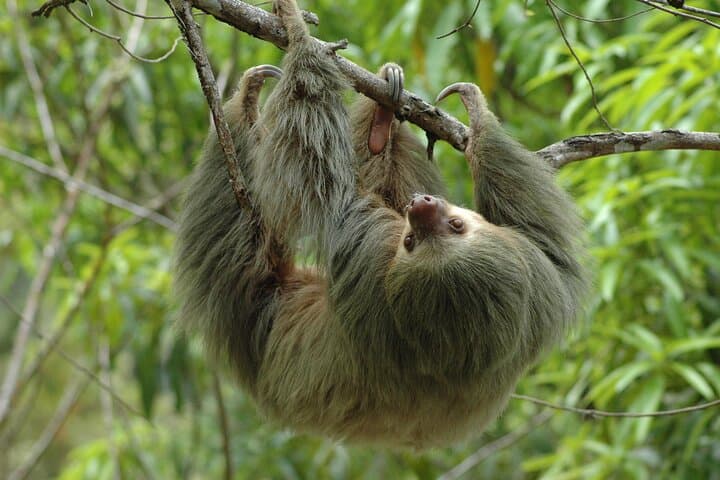
Follow a bilingual guide through Manuel Antonio’s coastal rainforest, where capuchin monkeys and three-toed sloths reveal themselves between beach swims and cliffside viewpoints. This full-day tour from Jaco or Los Sueños pairs wildlife spotting with hands-on local knowledge.
Follow a bilingual guide through Manuel Antonio’s coastal rainforest, where capuchin monkeys and three-toed sloths reveal themselves between beach swims and cliffside viewpoints. This full-day tour from Jaco or Los Sueños pairs wildlife spotting with hands-on local knowledge.
You step off the minivan and the air changes — humid, green, alive. The forest pushes close, leaves whispering above, and a guide lifts a compact telescope to follow a movement high in the canopy. For the next hour you move at the rainforest’s rhythm: slow, attentive, punctuated by sudden sightings of monkeys, sloths, and bright birds.
Verified experiences and guided adventures in the surrounding area.
Operated by Vista Los Suenos Adventure Park · Quepos, Puntarenas
You step off the minivan and the air changes — humid, green, alive. The forest pushes close, leaves whispering above, and a guide lifts a compact telescope to follow a movement high in the canopy. For the next hour you move at the rainforest’s rhythm: slow, attentive, punctuated by sudden sightings of monkeys, sloths, and bright birds.
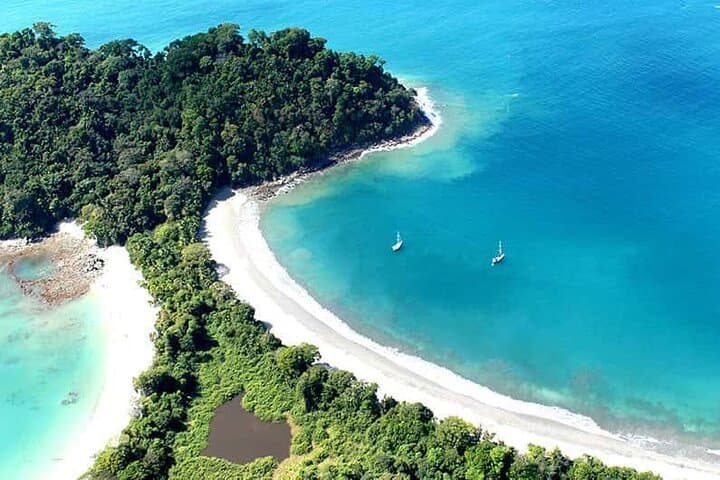
Manuel Antonio sits on the central Pacific coast of Costa Rica near Quepos, carved from volcanic soils and coastal terraces that create steep ridges and white-sand coves. The park was protected in the early 1970s to preserve coastal rainforest and marine edges; historic fishing communities around Quepos shaped early access and local culture. Guides often point out the geology — eroded basalt and softer sediments feeding the beaches — and small cultural notes like the fishing boats moored in the bay.
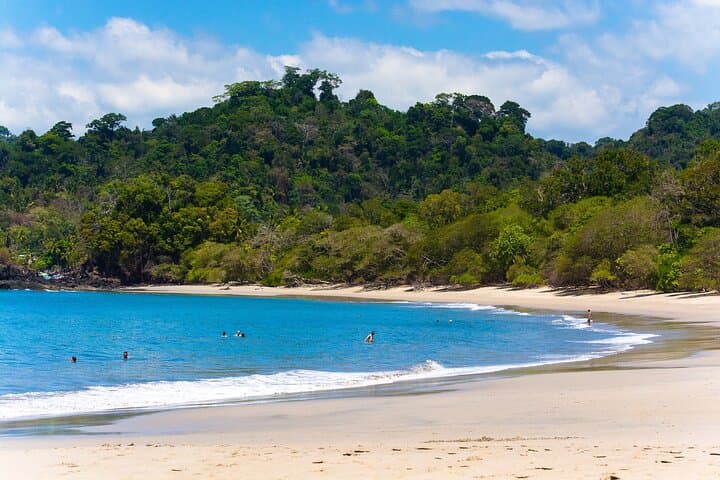
On a guided walk you’ll learn to read animal signals, spot epiphytes clinging to trunks, and understand tidal influences on the beach. The tour usually ends with a stretch of beach time in warm green water, where currents nudge you and the shore invites a slow swim.
Practical edge: arrive with reef-safe sunscreen, a light rain layer, and shoes with good grip — trails are uneven and can be slippery. Bring water and binoculars; your guide will handle permits and point out species by name. Morning departures are best for wildlife activity; mid-day brings calmer beaches. Follow your guide’s instructions around wildlife — approach slowly, keep distance, and never feed animals — and you’ll leave with clearer eyes for both the forest and the sea.
easy.
7 hours.
Suitable for most travelers; involves short to moderate walks on uneven rainforest trails and light beach swimming.
Yes; this tour includes the national park entrance fee, so you won’t need to pay separately at the gate.
Yes; most itineraries include beach time at one of the park’s beaches—obey lifeguard or guide advice about currents.
No sighting is guaranteed, but guided walks significantly increase chances; early mornings improve likelihood of sightings.
The tour notes stroller access for infants in prams, but trails can be uneven—carry infants where necessary and check with the operator about specific needs.
Manuel Antonio was designated a national park in the early 1970s to protect coastal rainforest and marine habitats; the surrounding Quepos community has long been tied to small-scale fishing and tourism.
High visitation pressures require strict leave-no-trace practices; stay on trails, don’t feed wildlife, and use reef-safe sunscreens to reduce impact on coastal ecosystems.
Vista Los Suenos Adventure Park operates guided outdoor trips and adventures with an emphasis on safety, stewardship, and memorable experiences.
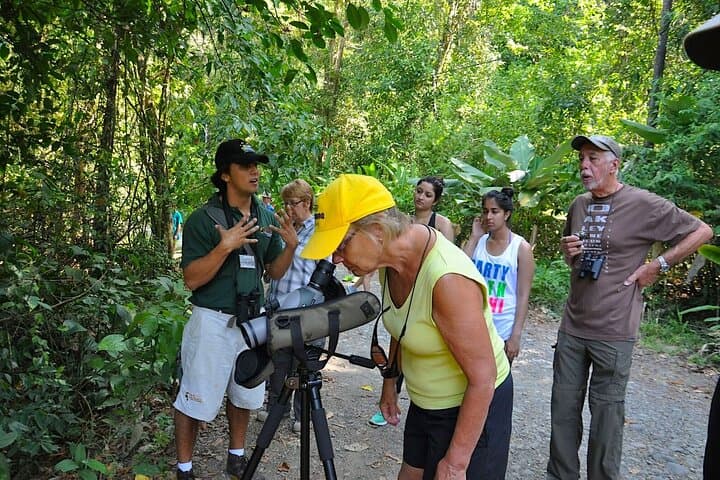
You step off the minivan and the air changes — humid, green, alive. The forest pushes close, leaves whispering above, and a guide lifts a compact telescope to follow a movement high in the canopy. For the next hour you move at the rainforest’s rhythm: slow, attentive, punctuated by sudden sightings of monkeys, sloths, and bright birds.
You step off the minivan and the air changes — humid, green, alive. The forest pushes close, leaves whispering above, and a guide lifts a compact telescope to follow a movement high in the canopy. For the next hour you move at the rainforest’s rhythm: slow, attentive, punctuated by sudden sightings of monkeys, sloths, and bright birds.
Manuel Antonio sits on the central Pacific coast of Costa Rica near Quepos, carved from volcanic soils and coastal terraces that create steep ridges and white-sand coves. The park was protected in the early 1970s to preserve coastal rainforest and marine edges; historic fishing communities around Quepos shaped early access and local culture. Guides often point out the geology — eroded basalt and softer sediments feeding the beaches — and small cultural notes like the fishing boats moored in the bay.
On a guided walk you’ll learn to read animal signals, spot epiphytes clinging to trunks, and understand tidal influences on the beach. The tour usually ends with a stretch of beach time in warm green water, where currents nudge you and the shore invites a slow swim.
Practical edge: arrive with reef-safe sunscreen, a light rain layer, and shoes with good grip — trails are uneven and can be slippery. Bring water and binoculars; your guide will handle permits and point out species by name. Morning departures are best for wildlife activity; mid-day brings calmer beaches. Follow your guide’s instructions around wildlife — approach slowly, keep distance, and never feed animals — and you’ll leave with clearer eyes for both the forest and the sea.