THE ADVENTURE COLLECTIVE® · Independent discovery and booking for outdoor travel

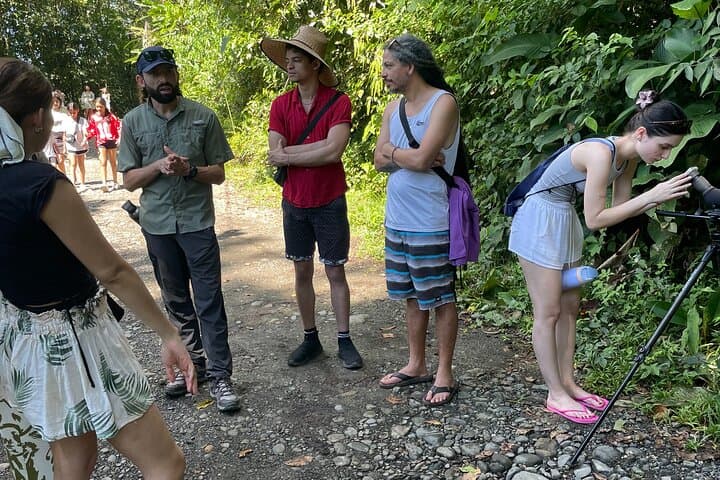
A guided 2–3 hour walk through Manuel Antonio maximizes wildlife sightings with a certified naturalist and HD telescope, then lets you linger on the park’s sweeping beaches. Learn species behavior, local ecology, and conservation practices while avoiding the guesswork of solo exploration.
A guided 2–3 hour walk through Manuel Antonio maximizes wildlife sightings with a certified naturalist and HD telescope, then lets you linger on the park’s sweeping beaches. Learn species behavior, local ecology, and conservation practices while avoiding the guesswork of solo exploration.
Early morning in Manuel Antonio feels like the rainforest is waking you up by sound: howler monkey calls roll across the canopy, and waves push slivers of foam into hidden coves. On a guided walk through the park your eyes track a sloth tucked into a cecropia tree while a guide trains a high-powered telescope on a distant toucan — the forest seems to move around you.
Verified experiences and guided adventures in the surrounding area.
Operated by Manuel Antonio Park Wildlife Tour · Quepos, Puntarenas
Early morning in Manuel Antonio feels like the rainforest is waking you up by sound: howler monkey calls roll across the canopy, and waves push slivers of foam into hidden coves. On a guided walk through the park your eyes track a sloth tucked into a cecropia tree while a guide trains a high-powered telescope on a distant toucan — the forest seems to move around you.
Established in 1972 on Costa Rica's central Pacific coast, Manuel Antonio sits on volcanic soils that feed lush lowland forest and a mosaic of rocky headlands and sandy beaches. The park’s compact network of trails — the Main Trail and the Lazy Path among them — threads steep ridgelines and shade-dense gullies, offering repeated seaside overlooks and small tidal pools where crabs and shorebirds forage.
Culturally, the area blends local fishing-town rhythms in nearby Quepos with a growing eco-tourism scene; guides here often double as naturalists and conservation advocates. Expect an emphasis on species interactions — predator-prey dynamics, fruiting cycles that draw birds, and the fragile coexistence of beach-goers and nesting wildlife.
Practical side: the guided loop is about 2–3 hours at an easy pace and requires no technical skills. Guides provide telescopes and interpretive context, then leave you free to spend extra time on Manuel Antonio Beach if you wish. Bring sun protection, refillable water, and leave food sealed — feeding wildlife is illegal and damages fragile behavior patterns. Early starts increase wildlife sightings and avoid mid-day heat; the park is small but intensely busy in high season, so plan arrival accordingly.
easy.
2–3 hours.
Suitable for most fitness levels; minimal elevation change but expect uneven footing and short stairs.
Yes — admission is included with this guided tour, so you won’t need to purchase a separate park entrance ticket.
Children are welcome and the route is family-friendly; strollers may be usable on main segments but some stairs and uneven surfaces exist.
Common sightings include sloths, white-faced capuchin monkeys, iguanas, coatis, and a wide range of tropical birds; guides use telescopes to improve distant views.
This listing describes the guided walk inside the park; check the booking page for optional transport add-ons, as pickup is not always included in standard tours.
Manuel Antonio National Park was created in 1972 to protect coastal rainforest and marine habitat on Costa Rica’s central Pacific shore.
High visitor numbers stress fragile coastal habitats; stay on marked trails, avoid feeding wildlife, and pack out all trash to support ongoing conservation efforts.
Manuel Antonio Park Wildlife Tour operates guided outdoor trips and adventures with an emphasis on safety, stewardship, and memorable experiences.
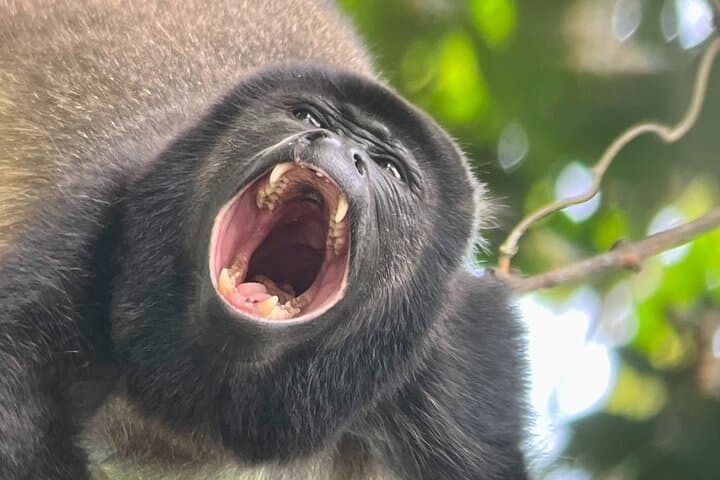
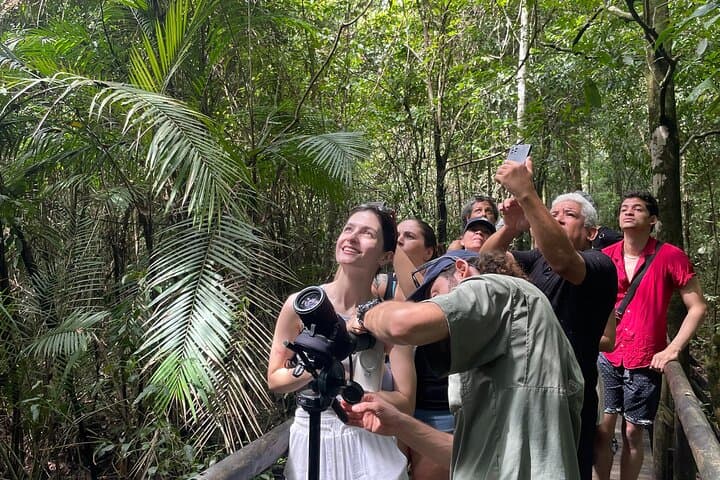
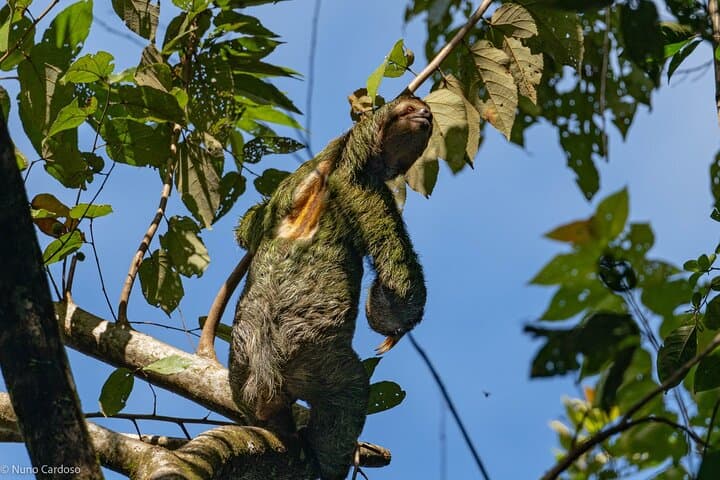
Early morning in Manuel Antonio feels like the rainforest is waking you up by sound: howler monkey calls roll across the canopy, and waves push slivers of foam into hidden coves. On a guided walk through the park your eyes track a sloth tucked into a cecropia tree while a guide trains a high-powered telescope on a distant toucan — the forest seems to move around you.
Early morning in Manuel Antonio feels like the rainforest is waking you up by sound: howler monkey calls roll across the canopy, and waves push slivers of foam into hidden coves. On a guided walk through the park your eyes track a sloth tucked into a cecropia tree while a guide trains a high-powered telescope on a distant toucan — the forest seems to move around you.
Established in 1972 on Costa Rica's central Pacific coast, Manuel Antonio sits on volcanic soils that feed lush lowland forest and a mosaic of rocky headlands and sandy beaches. The park’s compact network of trails — the Main Trail and the Lazy Path among them — threads steep ridgelines and shade-dense gullies, offering repeated seaside overlooks and small tidal pools where crabs and shorebirds forage.
Culturally, the area blends local fishing-town rhythms in nearby Quepos with a growing eco-tourism scene; guides here often double as naturalists and conservation advocates. Expect an emphasis on species interactions — predator-prey dynamics, fruiting cycles that draw birds, and the fragile coexistence of beach-goers and nesting wildlife.
Practical side: the guided loop is about 2–3 hours at an easy pace and requires no technical skills. Guides provide telescopes and interpretive context, then leave you free to spend extra time on Manuel Antonio Beach if you wish. Bring sun protection, refillable water, and leave food sealed — feeding wildlife is illegal and damages fragile behavior patterns. Early starts increase wildlife sightings and avoid mid-day heat; the park is small but intensely busy in high season, so plan arrival accordingly.