THE ADVENTURE COLLECTIVE® · Independent discovery and booking for outdoor travel

Walk Málaga’s compact historic core with a private guide—start at a map-filled bookstore, thread narrow alleys and 19th‑century boulevards, and finish amid the colors and aromas of Mercado Atarazanas. This two‑hour tour pairs architectural insight with local flavor.
Walk Málaga’s compact historic core with a private guide—start at a map-filled bookstore, thread narrow alleys and 19th‑century boulevards, and finish amid the colors and aromas of Mercado Atarazanas. This two‑hour tour pairs architectural insight with local flavor.
You step out of Librería Mapas y Compañía and the city answers: sun on limestone facades, the distant sea lending a cool breath, vendors tuning the market’s rhythm. The tour moves through pedestrian lanes where sunlight pools on cobbles and the air carries fried fish and citrus. Pasaje Chinitas narrows like a page in a book, Calle Marqués de Larios opens into a broad, ordered promenade, and the Mercado Central de Atarazanas finishes the loop with color and clamor.
Verified experiences and guided adventures in the surrounding area.
Operated by Opatrip.com Spain · Málaga, Andalusia
You step out of Librería Mapas y Compañía and the city answers: sun on limestone facades, the distant sea lending a cool breath, vendors tuning the market’s rhythm. The tour moves through pedestrian lanes where sunlight pools on cobbles and the air carries fried fish and citrus. Pasaje Chinitas narrows like a page in a book, Calle Marqués de Larios opens into a broad, ordered promenade, and the Mercado Central de Atarazanas finishes the loop with color and clamor.
Málaga’s layers are visible in brick and stone: Phoenician and Roman traces under Iberian streets, a Moorish Alcazaba perched above a 19th‑century grid of boulevards. Geology plays a quiet role—the city sits where the Baetic Cordillera meets the Mediterranean, so building stone ranges from local limestone to imported marble, shaping façades and plazas. Cultural life here is practical and public: plazas used for debates, markets for bargains, and cafés where poetry was once argued over espresso.
Practically, expect two hours of easy walking on paved streets with short stair sections in the older quarters. A good guide will read the architecture aloud, point out hidden inscriptions, and time the route to avoid the hottest midday stretch. Wear supportive shoes, carry water, and plan to end at Atarazanas to sample olives, anchovies, or a quick tapa. The tour suits travelers who want context with their steps—history you can touch, food you can taste, and a downtown that encourages exploration on foot.
easy.
2 hours.
Suitable for most fitness levels; requires standing and walking on paved urban terrain.
Much of the route is on paved streets; however, narrow alleys and some steps can make access difficult—check with the operator for a customized accessible route.
Guides are typically local and language options vary by booking—confirm language availability when you reserve.
Admission to the market is included in the visit, but food and purchases are extra; the market is a good spot to sample regional flavors on your own.
The historic center is a 10–15 minute walk from María Zambrano train station; brief taxi rides are also readily available.
Málaga’s core preserves layers from Phoenician maritime trade through Roman and Moorish periods to 19th‑century urban renewal—the Alcazaba and the Roman theater sit within sight of modern boutiques.
The city center has pedestrianization and waste‑management initiatives to reduce traffic and protect historic fabric; visitors are encouraged to use refillable bottles and support locally run markets.
Opatrip.com Spain operates guided outdoor trips and adventures with an emphasis on safety, stewardship, and memorable experiences.

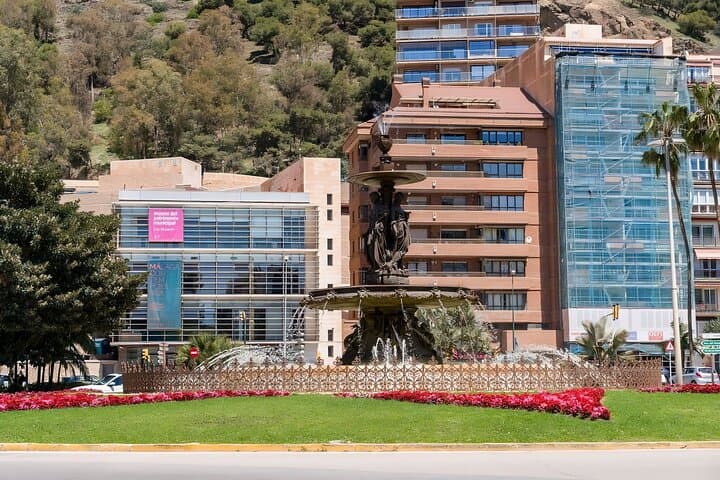

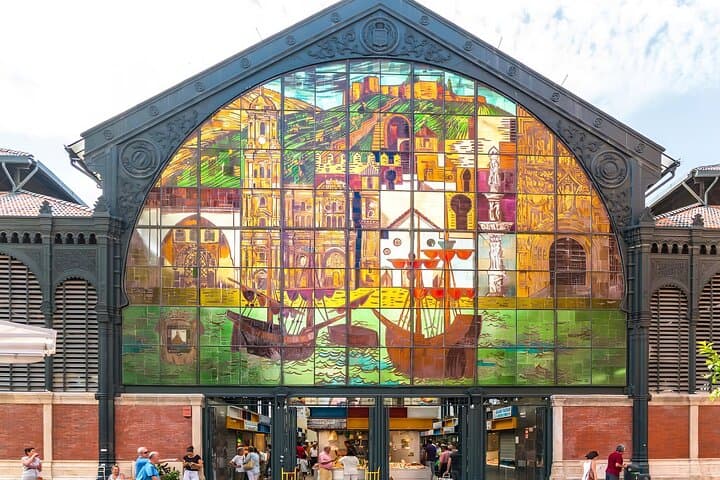
You step out of Librería Mapas y Compañía and the city answers: sun on limestone facades, the distant sea lending a cool breath, vendors tuning the market’s rhythm. The tour moves through pedestrian lanes where sunlight pools on cobbles and the air carries fried fish and citrus. Pasaje Chinitas narrows like a page in a book, Calle Marqués de Larios opens into a broad, ordered promenade, and the Mercado Central de Atarazanas finishes the loop with color and clamor.
You step out of Librería Mapas y Compañía and the city answers: sun on limestone facades, the distant sea lending a cool breath, vendors tuning the market’s rhythm. The tour moves through pedestrian lanes where sunlight pools on cobbles and the air carries fried fish and citrus. Pasaje Chinitas narrows like a page in a book, Calle Marqués de Larios opens into a broad, ordered promenade, and the Mercado Central de Atarazanas finishes the loop with color and clamor.
Málaga’s layers are visible in brick and stone: Phoenician and Roman traces under Iberian streets, a Moorish Alcazaba perched above a 19th‑century grid of boulevards. Geology plays a quiet role—the city sits where the Baetic Cordillera meets the Mediterranean, so building stone ranges from local limestone to imported marble, shaping façades and plazas. Cultural life here is practical and public: plazas used for debates, markets for bargains, and cafés where poetry was once argued over espresso.
Practically, expect two hours of easy walking on paved streets with short stair sections in the older quarters. A good guide will read the architecture aloud, point out hidden inscriptions, and time the route to avoid the hottest midday stretch. Wear supportive shoes, carry water, and plan to end at Atarazanas to sample olives, anchovies, or a quick tapa. The tour suits travelers who want context with their steps—history you can touch, food you can taste, and a downtown that encourages exploration on foot.