THE ADVENTURE COLLECTIVE® · Independent discovery and booking for outdoor travel

Glide through Lagos Lagoon into Makoko, a remarkable floating neighborhood where daily life happens on stilts. This guided visit pairs close-up cultural insight with practical tips for navigating boardwalks, boats, and local markets.
Glide through Lagos Lagoon into Makoko, a remarkable floating neighborhood where daily life happens on stilts. This guided visit pairs close-up cultural insight with practical tips for navigating boardwalks, boats, and local markets.
You push off in a low wooden canoe and the city’s rumble eases into the slap of oars and the creak of stilts. Makoko unfolds as a village on water: narrow boardwalks, corrugated roofs, children racing between houses, and traders balancing goods as waves nudge their homes.
Verified experiences and guided adventures in the surrounding area.
Operated by Ucomeafrik-Tours · Lagos, Lagos State
You push off in a low wooden canoe and the city’s rumble eases into the slap of oars and the creak of stilts. Makoko unfolds as a village on water: narrow boardwalks, corrugated roofs, children racing between houses, and traders balancing goods as waves nudge their homes.
Originally a fishing settlement where Yorùbá and Egun communities adapted to lagoon life, Makoko grew into one of the world’s largest stilt villages. The geology is Lagos Lagoon—mangrove flats and tidal channels that shape daily life and seasonal rhythms. Culture here is practical and proud: boat carpentry, canoe transport, and seafood markets define the economy, while churches and community centers punctuate rows of stilt houses.
Visitors witness a living adaptation to a watery landscape and a community negotiating development pressures. Expect close contact with residents, narrow pathways, and moments of silence broken by laughter or a vendor’s call.
Practical guidance: wear sturdy, water-resistant shoes and layers for sun and sudden rain. Bring cash in small bills for local purchases; phone signal can be patchy. Photography is welcome but ask permission first—this is a residential neighborhood, not a stage. The full experience is a long day tour with boat transfers and walking; plan for hydration and restroom breaks before you go.
This visit supports local livelihoods when arranged respectfully—listen, ask, and tread lightly on the walkways that make Makoko a resilient, water-born community.
easy.
7–9 hours.
Suitable for travelers who can stand and walk on uneven surfaces for several hours; not recommended for those with severe mobility issues.
The tour is rated easy but involves boat transfers and walking on narrow, sometimes wet boardwalks; moderate mobility is recommended.
Makoko is generally safe during guided visits; follow your guide’s instructions, avoid wandering alone, and keep valuables discreet.
Restroom access is limited—use facilities before entering the community and ask your guide about local options during the day.
Yes—children can enjoy the boat rides and markets, but keep them supervised around water and narrow walkways.
Makoko began as a 19th–20th century fishing community that developed informal stilt housing over Lagos Lagoon, shaped by maritime livelihoods and migration.
Rising tides, pollution, and redevelopment pressures threaten the lagoon environment; responsible tours prioritize local economy support and minimal waste.
Ucomeafrik-Tours operates guided outdoor trips and adventures with an emphasis on safety, stewardship, and memorable experiences.
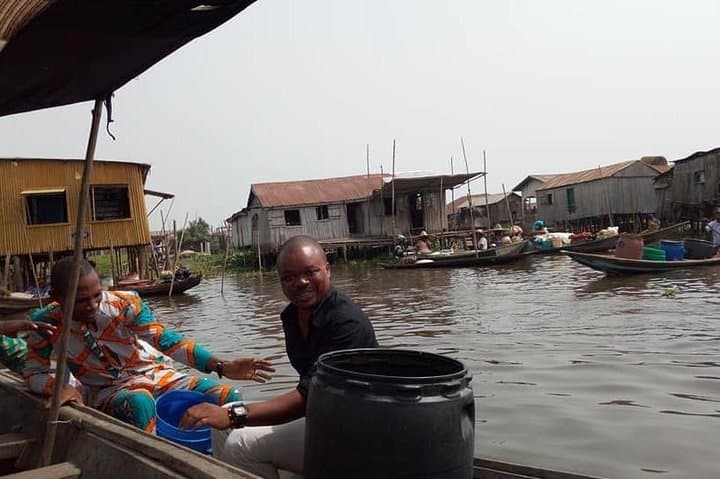
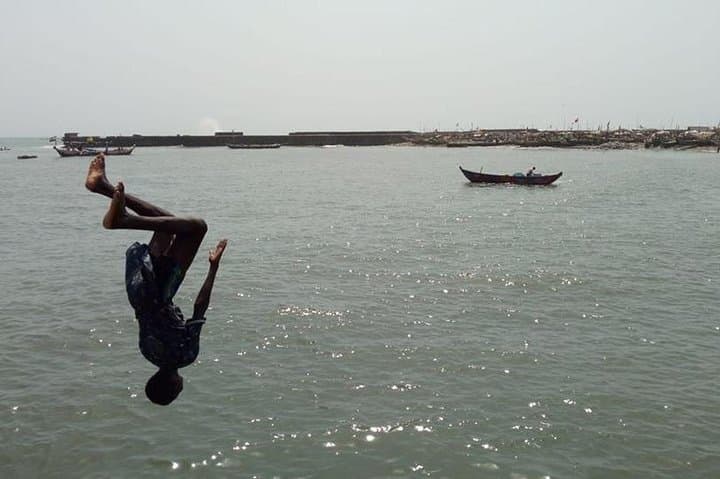
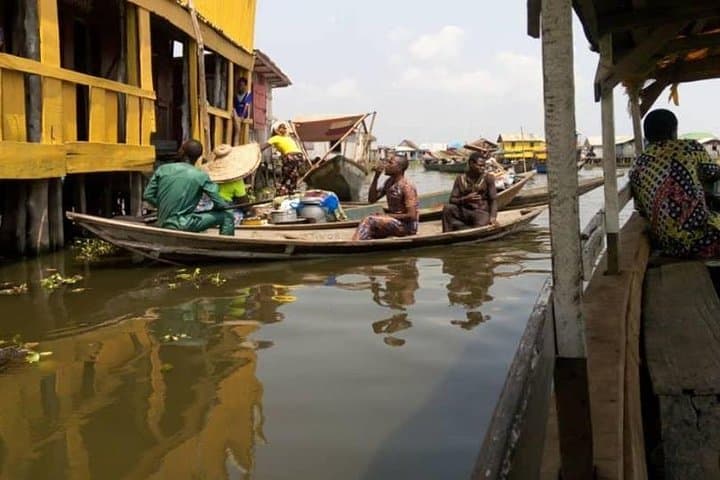
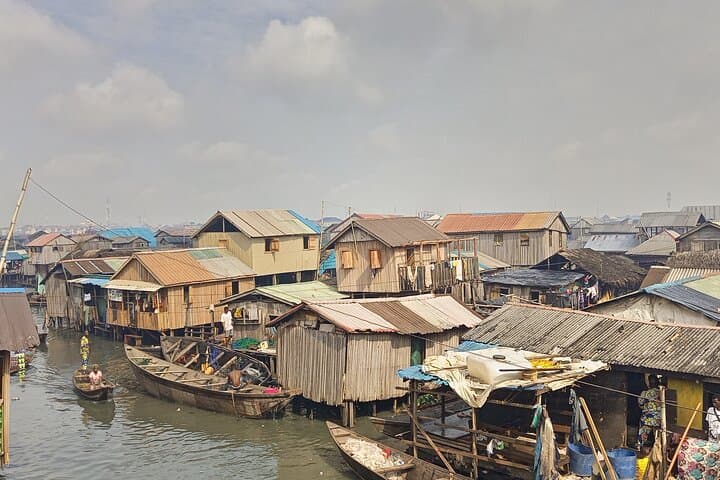
You push off in a low wooden canoe and the city’s rumble eases into the slap of oars and the creak of stilts. Makoko unfolds as a village on water: narrow boardwalks, corrugated roofs, children racing between houses, and traders balancing goods as waves nudge their homes.
You push off in a low wooden canoe and the city’s rumble eases into the slap of oars and the creak of stilts. Makoko unfolds as a village on water: narrow boardwalks, corrugated roofs, children racing between houses, and traders balancing goods as waves nudge their homes.
Originally a fishing settlement where Yorùbá and Egun communities adapted to lagoon life, Makoko grew into one of the world’s largest stilt villages. The geology is Lagos Lagoon—mangrove flats and tidal channels that shape daily life and seasonal rhythms. Culture here is practical and proud: boat carpentry, canoe transport, and seafood markets define the economy, while churches and community centers punctuate rows of stilt houses.
Visitors witness a living adaptation to a watery landscape and a community negotiating development pressures. Expect close contact with residents, narrow pathways, and moments of silence broken by laughter or a vendor’s call.
Practical guidance: wear sturdy, water-resistant shoes and layers for sun and sudden rain. Bring cash in small bills for local purchases; phone signal can be patchy. Photography is welcome but ask permission first—this is a residential neighborhood, not a stage. The full experience is a long day tour with boat transfers and walking; plan for hydration and restroom breaks before you go.
This visit supports local livelihoods when arranged respectfully—listen, ask, and tread lightly on the walkways that make Makoko a resilient, water-born community.