THE ADVENTURE COLLECTIVE® · Independent discovery and booking for outdoor travel

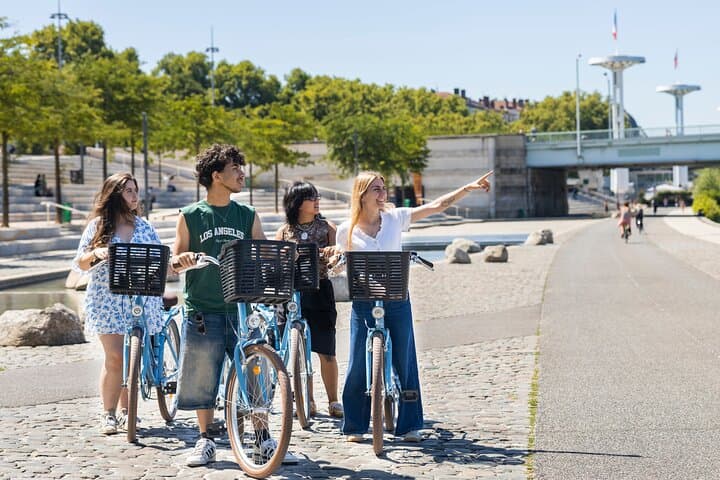
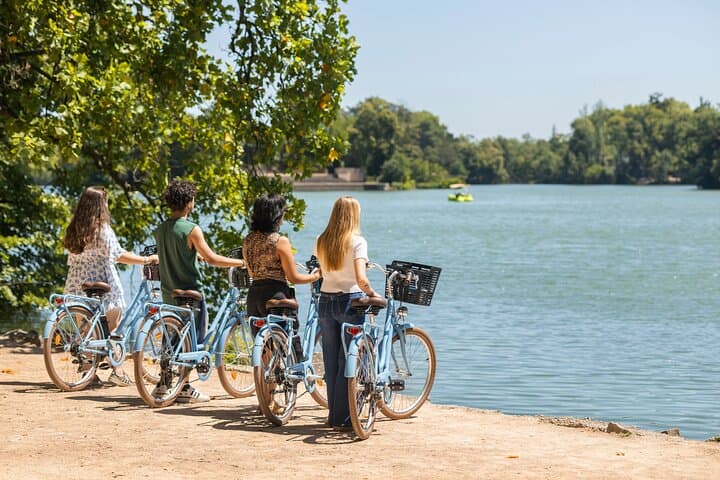
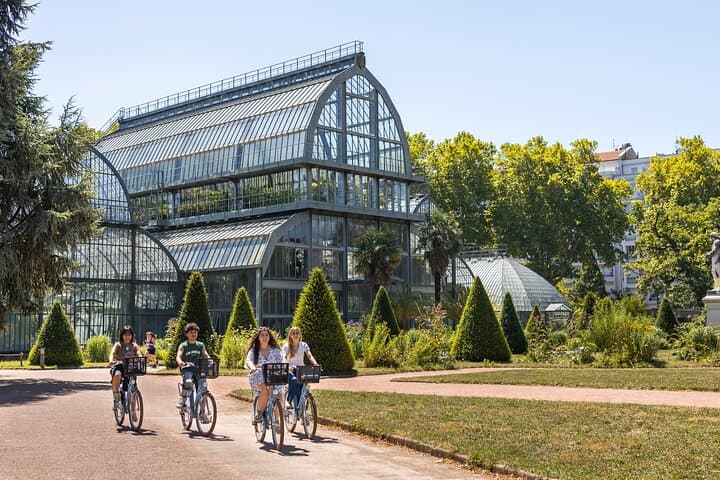
Glide from Vieux‑Lyon along the Saône to the sweeping lawns of Parc de la Tête d'Or on this relaxed 2‑hour guided bike tour. Expect riverside views, botanical greenhouses, and a peaceful stretch inside one of Europe’s largest urban parks.
Glide from Vieux‑Lyon along the Saône to the sweeping lawns of Parc de la Tête d'Or on this relaxed 2‑hour guided bike tour. Expect riverside views, botanical greenhouses, and a peaceful stretch inside one of Europe’s largest urban parks.
You roll out of a narrow Vieux-Lyon lane and the city exhales: wide water, open lawns, and the distant bell of Fourvière. Pedals begin a steady rhythm as the Saône tugs at your route, pushing you toward the green heart of the city — Parc de la Tête d'Or.
Verified experiences and guided adventures in the surrounding area.
Operated by COMHIC Lyon Segway & Bike Tour by ComhiC · Lyon, Auvergne-Rhône-Alpes
You roll out of a narrow Vieux-Lyon lane and the city exhales: wide water, open lawns, and the distant bell of Fourvière. Pedals begin a steady rhythm as the Saône tugs at your route, pushing you toward the green heart of the city — Parc de la Tête d'Or.
The park, created in the mid-19th century, was part of Lyon’s urban redesign and remains one of Europe’s largest city parks. Its layout — formal promenades, a central lake, and botanical collections — reflects 19th‑century landscape design and the city’s industrial-era civic pride. Geologically the Rhône valley’s alluvial plain gives the park its flat, easy terrain; the soft soil keeps paths forgiving and the tree canopy dense in summer.
Culturally, the park is Lyonnais everyday life: joggers, family picnics, students sketching near the greenhouses. The botanical gardens and the small African plain bring unexpected biodiversity to an urban setting; birds rehearse their calls and the lake dares you to slow down.
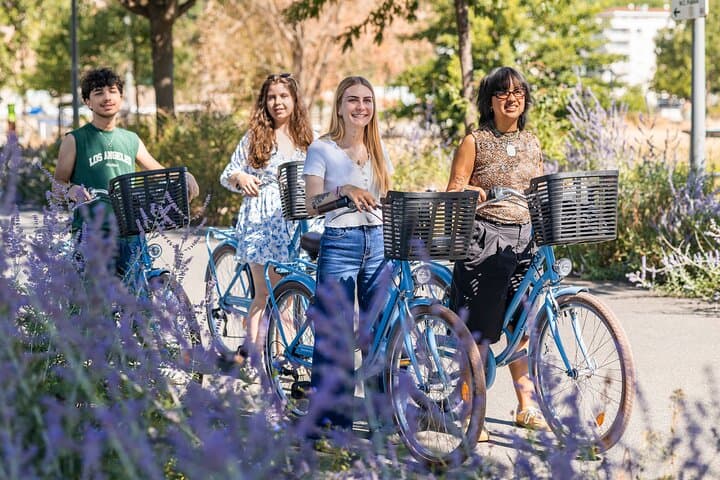
Practical guidance: the tour moves at a relaxed pace over roughly two hours with short stops at riverside viewpoints, a soft‑mobility tunnel through Croix‑Rousse, and about 50 minutes inside Tête d'Or to see the lake, rose beds and greenhouses. Helmets and bikes are provided; bring water, closed-toe shoes, and layers. Expect mostly paved and compacted gravel paths with minimal elevation — suitable for beginners.
Timing tip: late afternoon light makes the riverside façades glow and keeps the busiest hours at bay. Respect garden signs, avoid feeding wildlife, and leave space for pedestrians—this is a shared urban oasis.
easy.
2 hours.
Suitable for most adults and teenagers in basic fitness — mostly flat terrain and easy pedaling.
Yes — helmets are provided and fitted by your guide before departure.
There are public restrooms in the park, but note the shop itself has no restrooms; plan accordingly.
People under 18 must be accompanied by an adult; the tour pace is family-friendly but check child bike sizing with the operator.
Tours run in light rain and a raincoat is provided if needed; all sales are final and tours may be canceled if the operator deems conditions unsafe.
Parc de la Tête d'Or opened in the 1850s as part of Lyon’s urban renewal; its botanical collections grew from 19th‑century scientific horticulture.
The park is managed by the city with active conservation of botanical species and policies discouraging feeding wildlife; stay on paths to protect plant beds.
COMHIC Lyon Segway & Bike Tour by ComhiC operates guided outdoor trips and adventures with an emphasis on safety, stewardship, and memorable experiences.
You roll out of a narrow Vieux-Lyon lane and the city exhales: wide water, open lawns, and the distant bell of Fourvière. Pedals begin a steady rhythm as the Saône tugs at your route, pushing you toward the green heart of the city — Parc de la Tête d'Or.
You roll out of a narrow Vieux-Lyon lane and the city exhales: wide water, open lawns, and the distant bell of Fourvière. Pedals begin a steady rhythm as the Saône tugs at your route, pushing you toward the green heart of the city — Parc de la Tête d'Or.
The park, created in the mid-19th century, was part of Lyon’s urban redesign and remains one of Europe’s largest city parks. Its layout — formal promenades, a central lake, and botanical collections — reflects 19th‑century landscape design and the city’s industrial-era civic pride. Geologically the Rhône valley’s alluvial plain gives the park its flat, easy terrain; the soft soil keeps paths forgiving and the tree canopy dense in summer.
Culturally, the park is Lyonnais everyday life: joggers, family picnics, students sketching near the greenhouses. The botanical gardens and the small African plain bring unexpected biodiversity to an urban setting; birds rehearse their calls and the lake dares you to slow down.
Practical guidance: the tour moves at a relaxed pace over roughly two hours with short stops at riverside viewpoints, a soft‑mobility tunnel through Croix‑Rousse, and about 50 minutes inside Tête d'Or to see the lake, rose beds and greenhouses. Helmets and bikes are provided; bring water, closed-toe shoes, and layers. Expect mostly paved and compacted gravel paths with minimal elevation — suitable for beginners.
Timing tip: late afternoon light makes the riverside façades glow and keeps the busiest hours at bay. Respect garden signs, avoid feeding wildlife, and leave space for pedestrians—this is a shared urban oasis.