THE ADVENTURE COLLECTIVE® · Independent discovery and booking for outdoor travel

Slip into Lyon’s secret passages on a private 2–3 hour walking tour of the traboules. Discover medieval routes, Canut silk‑worker architecture, and hidden courtyards with a knowledgeable guide.
Slip into Lyon’s secret passages on a private 2–3 hour walking tour of the traboules. Discover medieval routes, Canut silk‑worker architecture, and hidden courtyards with a knowledgeable guide.
You step off the cobbles under a gray Parisian sky and into a thin shaft of light that slips between two stone buildings — the first of Lyon’s traboules. The passage swallows the noise of the street, funnels it through courtyards, and spits you out a little farther along the city’s old bones: Croix‑Rousse hill, the Presqu’île and the Vieux Lyon.
Verified experiences and guided adventures in the surrounding area.
Operated by Unique Tours Lyon · Lyon, Auvergne-Rhône-Alpes
You step off the cobbles under a gray Parisian sky and into a thin shaft of light that slips between two stone buildings — the first of Lyon’s traboules. The passage swallows the noise of the street, funnels it through courtyards, and spits you out a little farther along the city’s old bones: Croix‑Rousse hill, the Presqu’île and the Vieux Lyon.
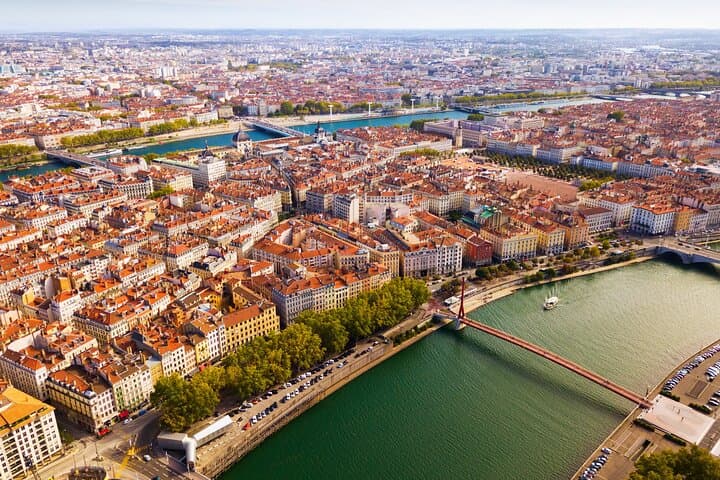
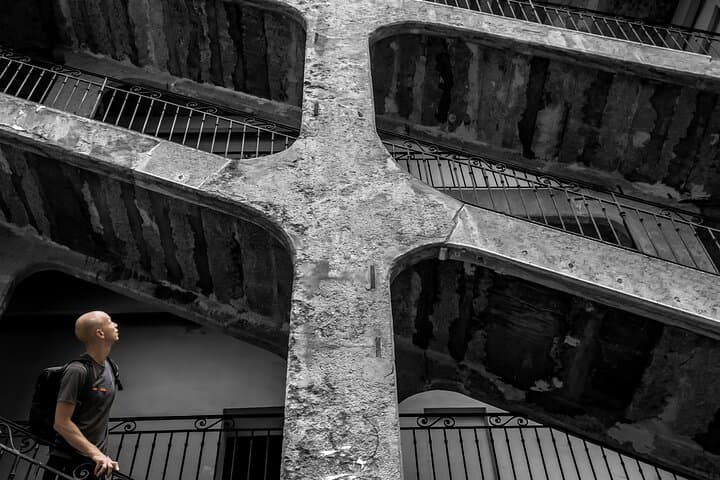
These covered alleys date back to the Middle Ages and the Renaissance, when silk workers used them to shuttle looms and threads between courtyards and workshops. The masonry shows changes in use over centuries: carved lintels from the 16th century, ironwork from the 19th‑century Canut era, and wartime graffiti left by the Resistance who used these hidden ways to move unseen. The Saône and Rhône shape the neighborhoods around you — the rivers’ slow currents defining the Presqu’île where many traboules open onto narrow streets.
On a private 2–3 hour walk you’ll move through staircases, short climbs on Croix‑Rousse, and three distinct sectors of the city. Expect uneven cobbles, narrow stairwells, and quiet resident courtyards; many passages are still private and require respectful behavior. Guides explain the social history — from silk guilds to WWII networks — while pointing out architectural details that reveal how Lyon adapted over time.
Practical guidance: wear supportive shoes, carry water and a compact bag, and plan for stairs and brief elevation changes (several short climbs rather than long ascents). Tours operate year‑round but check access in advance — some traboules close for private use or maintenance. Move quietly, follow your guide, and you’ll leave with a clear sense of how an everyday city keeps whole centuries just out of sight.
moderate.
2–3 hours.
Moderate — able to walk several kilometers on uneven cobbles, climb short flights of stairs, and stand during explanations.
The private tour lasts about 2–3 hours and covers multiple neighborhoods with several short walks and stair climbs — expect roughly 3–4 kilometers of walking with frequent stops.
Children who can manage stairs and cobbles can usually join; the route includes narrow staircases and uneven surfaces so it’s not recommended for those with significant mobility issues or back problems.
Guides include several emblematic traboules and may gain access to passages closed to the general public, but not every traboule is open — access depends on resident permission and maintenance.
Private tours are commonly offered in multiple languages depending on booking; the meeting point is in front of the Jacquard statue at Place Croix‑Rousse — your booking confirmation will give the exact time and meeting instructions.
Traboules grew from the need to move silk looms between workshops and riverside markets; they later became clandestine routes for Resistance fighters in WWII.
Many passages are still part of residential life — minimize noise, don’t leave trash, and follow guide rules so these fragile, privately used spaces remain accessible.
Unique Tours Lyon operates guided outdoor trips and adventures with an emphasis on safety, stewardship, and memorable experiences.


You step off the cobbles under a gray Parisian sky and into a thin shaft of light that slips between two stone buildings — the first of Lyon’s traboules. The passage swallows the noise of the street, funnels it through courtyards, and spits you out a little farther along the city’s old bones: Croix‑Rousse hill, the Presqu’île and the Vieux Lyon.
You step off the cobbles under a gray Parisian sky and into a thin shaft of light that slips between two stone buildings — the first of Lyon’s traboules. The passage swallows the noise of the street, funnels it through courtyards, and spits you out a little farther along the city’s old bones: Croix‑Rousse hill, the Presqu’île and the Vieux Lyon.
These covered alleys date back to the Middle Ages and the Renaissance, when silk workers used them to shuttle looms and threads between courtyards and workshops. The masonry shows changes in use over centuries: carved lintels from the 16th century, ironwork from the 19th‑century Canut era, and wartime graffiti left by the Resistance who used these hidden ways to move unseen. The Saône and Rhône shape the neighborhoods around you — the rivers’ slow currents defining the Presqu’île where many traboules open onto narrow streets.
On a private 2–3 hour walk you’ll move through staircases, short climbs on Croix‑Rousse, and three distinct sectors of the city. Expect uneven cobbles, narrow stairwells, and quiet resident courtyards; many passages are still private and require respectful behavior. Guides explain the social history — from silk guilds to WWII networks — while pointing out architectural details that reveal how Lyon adapted over time.
Practical guidance: wear supportive shoes, carry water and a compact bag, and plan for stairs and brief elevation changes (several short climbs rather than long ascents). Tours operate year‑round but check access in advance — some traboules close for private use or maintenance. Move quietly, follow your guide, and you’ll leave with a clear sense of how an everyday city keeps whole centuries just out of sight.