THE ADVENTURE COLLECTIVE® · Independent discovery and booking for outdoor travel

Walk Lyon’s heart with a local guide on this 2-hour tour through the Presqu’île and Vieux Lyon. Expect Opera House grandeur, Gothic church interiors and secret alleys with stories tied to the city’s silk and Roman past.
Walk Lyon’s heart with a local guide on this 2-hour tour through the Presqu’île and Vieux Lyon. Expect Opera House grandeur, Gothic church interiors and secret alleys with stories tied to the city’s silk and Roman past.
You step out onto the sun-warmed stone of the Opéra square, the city's breath a mix of coffee steam and river air. The guide raises an orange flag and the city begins to speak: façades tilt toward you, bronze statues watch the flow of pedestrians, and the Saône and Rhône dare you to cross their bridges and keep walking.
Verified experiences and guided adventures in the surrounding area.
Operated by Viva Brussels · Lyon, Auvergne-Rhône-Alpes
You step out onto the sun-warmed stone of the Opéra square, the city's breath a mix of coffee steam and river air. The guide raises an orange flag and the city begins to speak: façades tilt toward you, bronze statues watch the flow of pedestrians, and the Saône and Rhône dare you to cross their bridges and keep walking.
This two-hour walking tour threads the Presqu’île and Vieux Lyon, areas shaped by Roman foundations, medieval guilds and a booming silk industry that defined Lyon through the 18th and 19th centuries. Architecturally, expect a collision of Gothic churches, Renaissance townhouses and the 19th-century urban planning that frames Place Bellecour. Geologically the city sits where the Rhône plain meets river terraces; the winding streets reveal layers of settlement rather than dramatic topography.
Culturally, the tour taps local anecdotes—traboules (hidden passageways), Lyonnaise culinary pride and the city’s role as a printing and banking center. You’ll pass the Opera, Saint-Jean Cathedral and the Pink Tower, each stop paired with context and photo-ready vantage points.
Practical guidance: wear comfortable walking shoes and a light layer—streets are mostly paved but uneven in the old quarters. Plan this in the morning or late afternoon to avoid heavy tourist flows and to catch softer light on the river façades. Bring water, a compact umbrella in spring and fall, and allow time afterward to linger at a café or explore a traboule on your own.
easy.
2 hours.
Suitable for most fitness levels — walking on paved and cobbled streets at an easy pace.
The tour lasts about 2 hours at a relaxed walking pace with short stops for stories and photos.
Many areas on this itinerary are accessible, though some narrow medieval alleys may be tight; contact the operator for specifics.
This walking tour focuses on exterior viewing and storytelling; admissions are generally not included.
Confirm language availability when booking; most public departures are conducted in the advertised language with local guides.
Lyon grew from a Roman crossroads called Lugdunum and later became a European silk and printing center, shaping much of its historic architecture.
The city encourages responsible tourism in Vieux Lyon—respect private courtyards and avoid littering in historic alleys to protect fragile stonework.
Viva Brussels operates guided outdoor trips and adventures with an emphasis on safety, stewardship, and memorable experiences.
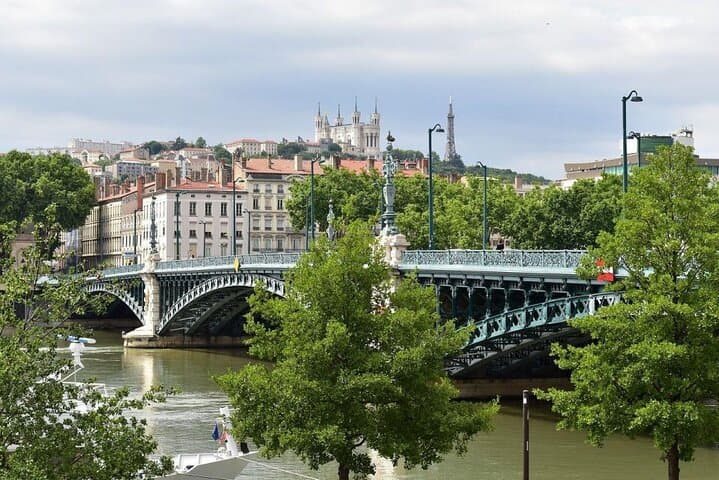
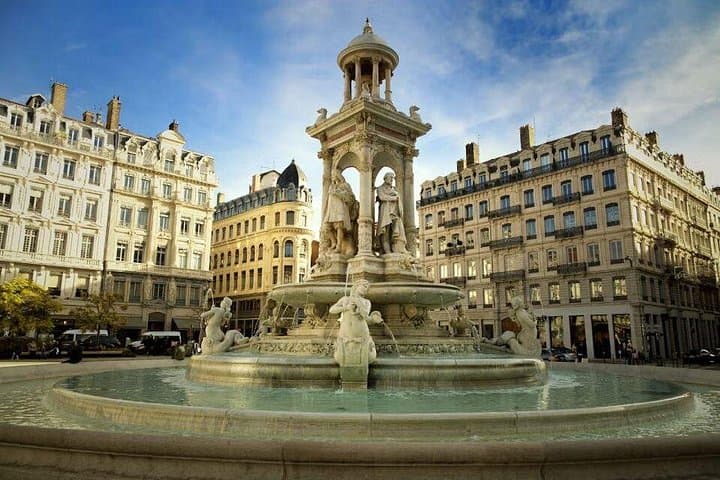
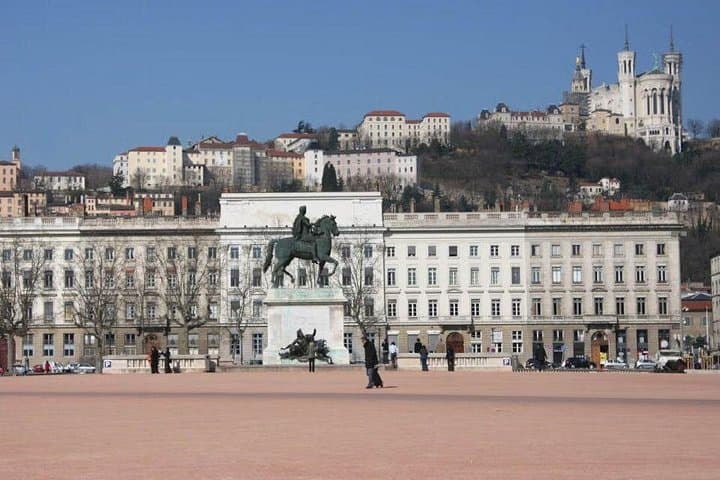
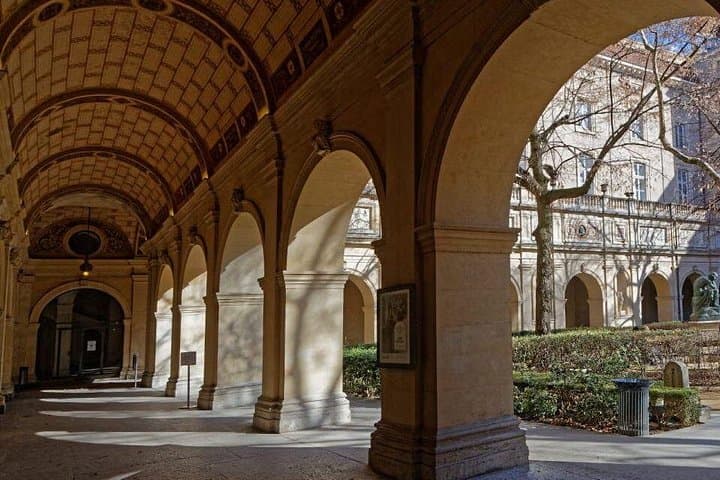
You step out onto the sun-warmed stone of the Opéra square, the city's breath a mix of coffee steam and river air. The guide raises an orange flag and the city begins to speak: façades tilt toward you, bronze statues watch the flow of pedestrians, and the Saône and Rhône dare you to cross their bridges and keep walking.
You step out onto the sun-warmed stone of the Opéra square, the city's breath a mix of coffee steam and river air. The guide raises an orange flag and the city begins to speak: façades tilt toward you, bronze statues watch the flow of pedestrians, and the Saône and Rhône dare you to cross their bridges and keep walking.
This two-hour walking tour threads the Presqu’île and Vieux Lyon, areas shaped by Roman foundations, medieval guilds and a booming silk industry that defined Lyon through the 18th and 19th centuries. Architecturally, expect a collision of Gothic churches, Renaissance townhouses and the 19th-century urban planning that frames Place Bellecour. Geologically the city sits where the Rhône plain meets river terraces; the winding streets reveal layers of settlement rather than dramatic topography.
Culturally, the tour taps local anecdotes—traboules (hidden passageways), Lyonnaise culinary pride and the city’s role as a printing and banking center. You’ll pass the Opera, Saint-Jean Cathedral and the Pink Tower, each stop paired with context and photo-ready vantage points.
Practical guidance: wear comfortable walking shoes and a light layer—streets are mostly paved but uneven in the old quarters. Plan this in the morning or late afternoon to avoid heavy tourist flows and to catch softer light on the river façades. Bring water, a compact umbrella in spring and fall, and allow time afterward to linger at a café or explore a traboule on your own.