THE ADVENTURE COLLECTIVE® · Independent discovery and booking for outdoor travel

A brisk two-day private circuit from Hurghada into Luxor’s temples and tombs. See Karnak, Luxor Temple, the Valley of the Kings and optional Nile views while traveling with an Egyptologist.
A brisk two-day private circuit from Hurghada into Luxor’s temples and tombs. See Karnak, Luxor Temple, the Valley of the Kings and optional Nile views while traveling with an Egyptologist.
The bus eases away from Hurghada at dawn and the desert flattens into bands of ochre and scrub as the Nile valley materializes like an invitation. By the time you arrive in Luxor the air smells of river reeds and sun-warmed stone; columns throw long shadows and hieroglyphs seem to watch your steps.
Verified experiences and guided adventures in the surrounding area.
Operated by Egypt Sunny Tours · Luxor, Luxor Governorate
The bus eases away from Hurghada at dawn and the desert flattens into bands of ochre and scrub as the Nile valley materializes like an invitation. By the time you arrive in Luxor the air smells of river reeds and sun-warmed stone; columns throw long shadows and hieroglyphs seem to watch your steps.
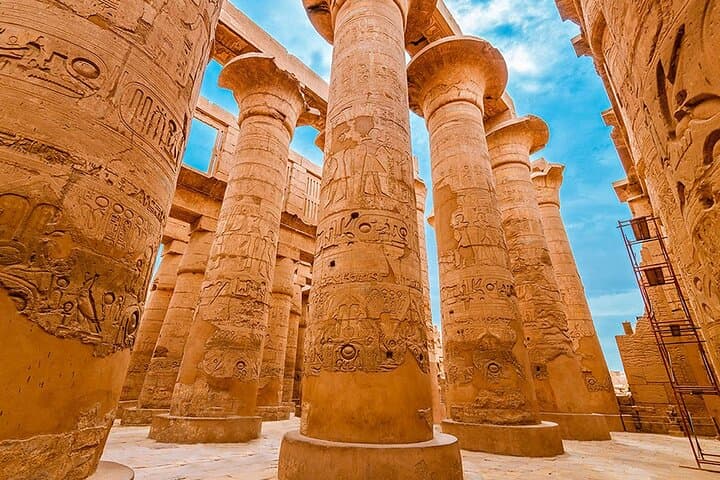
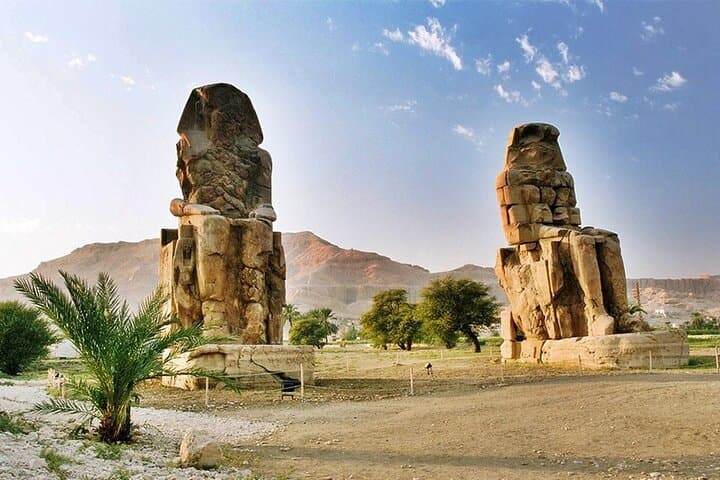
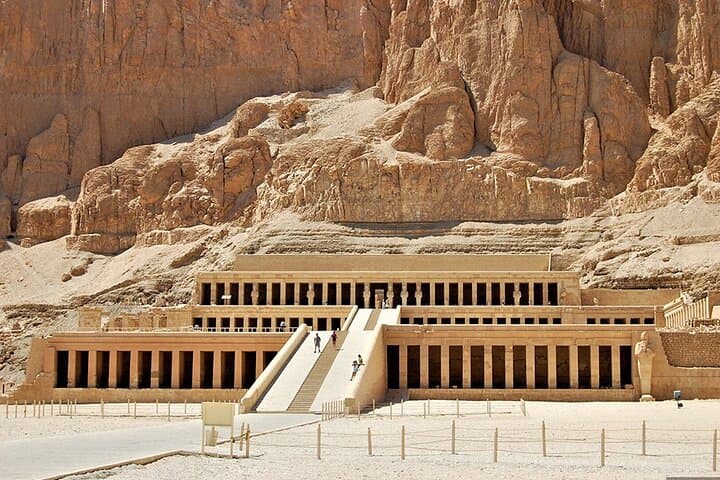
This two-day private tour moves fast but purposefully: the east bank’s Karnak and Luxor Temples reveal New Kingdom grandeur in massive pylons and the Hypostyle Hall’s forest of columns. Cross the Nile to the west bank and the Valley of the Kings cuts into the cliff — tombs are cool, painted chambers hewn into limestone, a concrete lesson in funerary belief. You’ll also pass Hatshepsut’s terraced mortuary temple and the twin Colossi of Memnon. Geology here is simple — Nile silted floodplain versus limestone escarpment — but that contrast shaped where Egyptians buried their dead and built their temples.
Practical note: the days are long and exposed; expect numerous short walks on uneven stone and dusty roads, with security and entrance queues at popular tombs. Bring sun protection, carry ID for ticketing, and allow time for an optional felucca ride or early-morning hot-air balloon over the west bank for different vantage points. The tour includes entrance fees, an Egyptologist guide, water, one lunch, and one B&B night in Luxor, with wheelchair-accessible options noted.
Timing tip: plan this between October and April for cooler temperatures and clearer skies; summer can be extreme. Travel light, move deliberately, and let the monuments set their own pace.
moderate.
2 days (multi-day touring, ~8–10 hours of activity per day).
Light to moderate fitness—comfortable walking for several hours, ability to manage stairs and mild uneven terrain
Yes—your passport information is required for bookings and sometimes for entrance checks; carry a copy and keep the original secure.
No—the hot-air balloon is an optional extra and not included in the standard two-day itinerary; arrange in advance if you want to add it.
The tour description lists entrance fees to mentioned sites as included; some special tombs (e.g., Tutankhamun) may have additional fees on-site.
The operator indicates wheelchair-accessible transport and some accessible surfaces, but many tombs have steps—discuss specifics with the provider before booking.
Luxor sits on the site of ancient Thebes, capital of Egypt during the New Kingdom; many temples were constructed as dynastic statements along the Nile’s edge.
Visitor pressure and river pollution are local concerns—use designated paths, avoid touching reliefs, and minimize plastic use to support preservation efforts.
Egypt Sunny Tours operates guided outdoor trips and adventures with an emphasis on safety, stewardship, and memorable experiences.

The bus eases away from Hurghada at dawn and the desert flattens into bands of ochre and scrub as the Nile valley materializes like an invitation. By the time you arrive in Luxor the air smells of river reeds and sun-warmed stone; columns throw long shadows and hieroglyphs seem to watch your steps.
The bus eases away from Hurghada at dawn and the desert flattens into bands of ochre and scrub as the Nile valley materializes like an invitation. By the time you arrive in Luxor the air smells of river reeds and sun-warmed stone; columns throw long shadows and hieroglyphs seem to watch your steps.
This two-day private tour moves fast but purposefully: the east bank’s Karnak and Luxor Temples reveal New Kingdom grandeur in massive pylons and the Hypostyle Hall’s forest of columns. Cross the Nile to the west bank and the Valley of the Kings cuts into the cliff — tombs are cool, painted chambers hewn into limestone, a concrete lesson in funerary belief. You’ll also pass Hatshepsut’s terraced mortuary temple and the twin Colossi of Memnon. Geology here is simple — Nile silted floodplain versus limestone escarpment — but that contrast shaped where Egyptians buried their dead and built their temples.
Practical note: the days are long and exposed; expect numerous short walks on uneven stone and dusty roads, with security and entrance queues at popular tombs. Bring sun protection, carry ID for ticketing, and allow time for an optional felucca ride or early-morning hot-air balloon over the west bank for different vantage points. The tour includes entrance fees, an Egyptologist guide, water, one lunch, and one B&B night in Luxor, with wheelchair-accessible options noted.
Timing tip: plan this between October and April for cooler temperatures and clearer skies; summer can be extreme. Travel light, move deliberately, and let the monuments set their own pace.