THE ADVENTURE COLLECTIVE® · Independent discovery and booking for outdoor travel

Discover Los Tres Ojos, a short, two‑hour guided tour through limestone caves and mirror lakes in Santo Domingo. Learn about Taíno history, karst geology, and how to move safely through this urban natural wonder.
Discover Los Tres Ojos, a short, two‑hour guided tour through limestone caves and mirror lakes in Santo Domingo. Learn about Taíno history, karst geology, and how to move safely through this urban natural wonder.
You step down from the city heat into a pocket of cool limestone and green light: three deep, mirror-still lakes carved into the coral rock, each rimmed by ferns and stalactites that drip the island’s quiet history. The air tastes faintly mineral; a man‑pulled raft nudges the surface of the fourth, more hidden pool as a guide points out a Taino petroglyph fading into the cave wall.
Verified experiences and guided adventures in the surrounding area.
Operated by Rincones de Mi Pais · Santo Domingo, Distrito Nacional
You step down from the city heat into a pocket of cool limestone and green light: three deep, mirror-still lakes carved into the coral rock, each rimmed by ferns and stalactites that drip the island’s quiet history. The air tastes faintly mineral; a man‑pulled raft nudges the surface of the fourth, more hidden pool as a guide points out a Taino petroglyph fading into the cave wall.
Los Tres Ojos is a compact karst system formed in uplifted Pleistocene limestone, where rainwater and groundwater sculpted chambers and speleothems over millennia. The site doubled as shelter and ritual space for the island’s indigenous Taíno people and later became a public park in the 20th century—today it sits oddly intimate at the edge of Santo Domingo’s urban grid.
Culturally the caves are threaded with local stories; your guide will link place names to folklore while pointing out sulfur‑tinted water and the cool “refrigerator” lake that seems to pull summer heat away. Wildlife here is subtle: iguanas sun on ledges, bats roost in darker recesses, and small passerines flit through the micro‑rainforest canopy.
Practical notes: the tour runs at a slow pace over roughly two hours with narrow steps, wet rock, and low light—good footwear and steady footing are essential. Bring a camera with a fast lens or stabilized phone settings, modest layers for the cooler cave air, and plan for midday glare outside. Listen to your guide, avoid touching formations, and allow time to sit at the water’s edge—the caves invite quiet observation more than hurry.
easy.
2 hours.
Light walking ability; must be comfortable on stairs and uneven rocky steps
The guided experience is roughly two hours and covers the main cave chambers, the three visible lakes, a ride to the fourth lake by man-powered raft, and cultural commentary; bottled water and taxes are typically included.
The tour is family-friendly and rated easy, but it’s not recommended for pregnant travelers due to stairs, uneven ground, and low ceilings.
Swimming is not permitted in the main lakes; the water is protected and access is limited to viewing and the supervised raft to the fourth pool.
The park is in eastern Santo Domingo; taxis and public transit serve the area. Allow 15–30 minutes from Colonial Zone depending on traffic and follow local directions to Parque Los Tres Ojos entrance.
The caves hold archaeological traces and were used by Taíno communities before European contact; later the site became a public attraction in the 20th century.
Los Tres Ojos is a fragile urban karst environment—stay on paths, don’t touch formations, and follow guides to minimize impact on the cave ecosystem.
Rincones de Mi Pais operates guided outdoor trips and adventures with an emphasis on safety, stewardship, and memorable experiences.
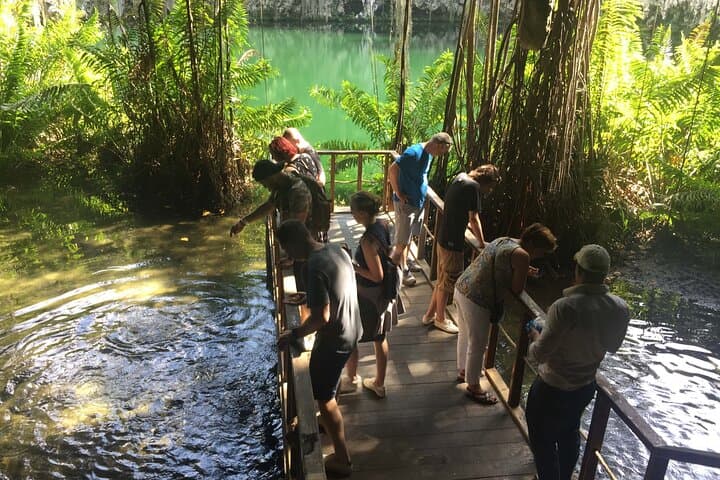
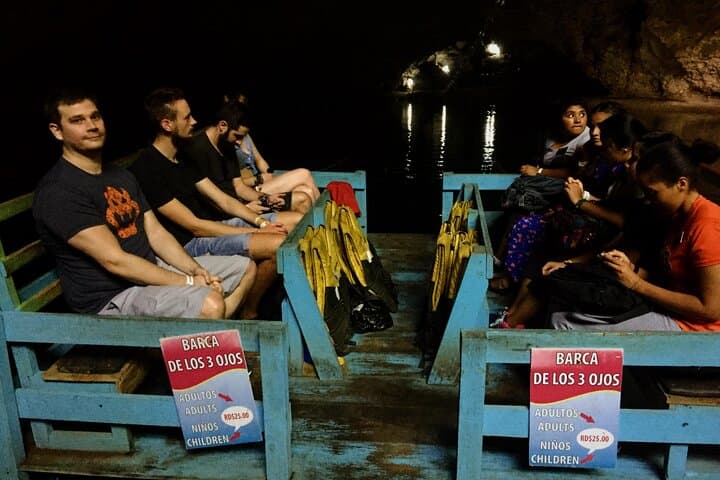
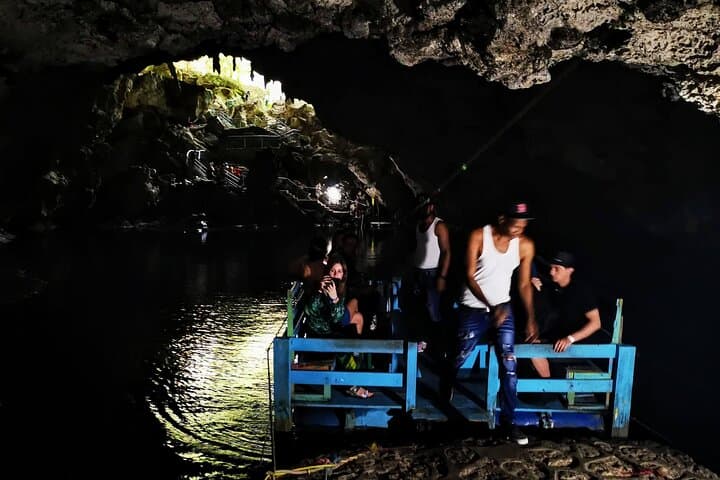
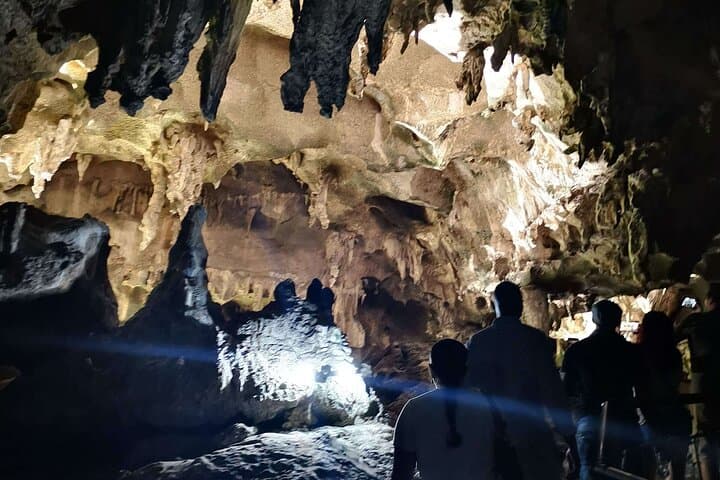
You step down from the city heat into a pocket of cool limestone and green light: three deep, mirror-still lakes carved into the coral rock, each rimmed by ferns and stalactites that drip the island’s quiet history. The air tastes faintly mineral; a man‑pulled raft nudges the surface of the fourth, more hidden pool as a guide points out a Taino petroglyph fading into the cave wall.
You step down from the city heat into a pocket of cool limestone and green light: three deep, mirror-still lakes carved into the coral rock, each rimmed by ferns and stalactites that drip the island’s quiet history. The air tastes faintly mineral; a man‑pulled raft nudges the surface of the fourth, more hidden pool as a guide points out a Taino petroglyph fading into the cave wall.
Los Tres Ojos is a compact karst system formed in uplifted Pleistocene limestone, where rainwater and groundwater sculpted chambers and speleothems over millennia. The site doubled as shelter and ritual space for the island’s indigenous Taíno people and later became a public park in the 20th century—today it sits oddly intimate at the edge of Santo Domingo’s urban grid.
Culturally the caves are threaded with local stories; your guide will link place names to folklore while pointing out sulfur‑tinted water and the cool “refrigerator” lake that seems to pull summer heat away. Wildlife here is subtle: iguanas sun on ledges, bats roost in darker recesses, and small passerines flit through the micro‑rainforest canopy.
Practical notes: the tour runs at a slow pace over roughly two hours with narrow steps, wet rock, and low light—good footwear and steady footing are essential. Bring a camera with a fast lens or stabilized phone settings, modest layers for the cooler cave air, and plan for midday glare outside. Listen to your guide, avoid touching formations, and allow time to sit at the water’s edge—the caves invite quiet observation more than hurry.