THE ADVENTURE COLLECTIVE® · Independent discovery and booking for outdoor travel

Glide through mangrove cathedrals and light-dappled caves, then cool off in the natural pools of Caño Hondo—this private, guided day tour pairs slow boat exploration of Los Haitises with a local shore lunch and swim at Sabana de la Mar.
Glide through mangrove cathedrals and light-dappled caves, then cool off in the natural pools of Caño Hondo—this private, guided day tour pairs slow boat exploration of Los Haitises with a local shore lunch and swim at Sabana de la Mar.
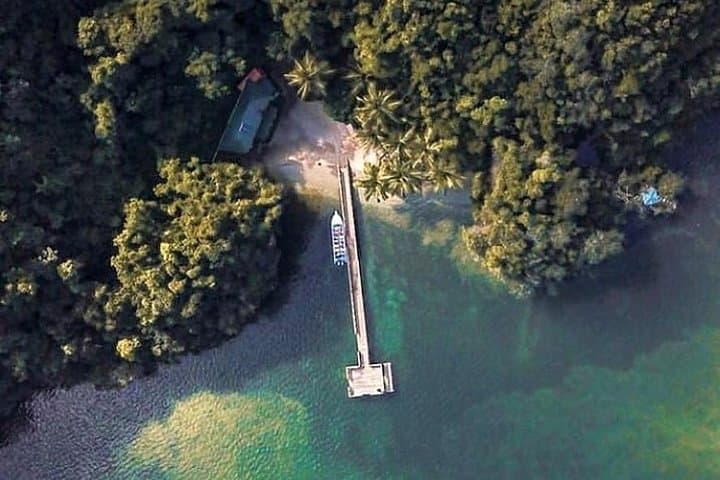
The motor hums low as the boat slips out of Sabana de la Mar harbor, the town’s clapboard roofs shrinking behind you and a green wall of mangrove branches reaching for the sky. Inside Los Haitises, the water narrows into channels that force you to lean forward—roots and trunks press close enough to see barnacles and fiddler crabs at eye level, and light slices through like a spotlight on the limestone ribs of distant islands. Your guide, a local trained alongside biologists, points to a dark lip where a cave mouth yawns and says, simply, “There are pictographs here.”
Verified experiences and guided adventures in the surrounding area.
Operated by The Whales Las Ballenas · Sabana de la Mar, Samaná
The motor hums low as the boat slips out of Sabana de la Mar harbor, the town’s clapboard roofs shrinking behind you and a green wall of mangrove branches reaching for the sky. Inside Los Haitises, the water narrows into channels that force you to lean forward—roots and trunks press close enough to see barnacles and fiddler crabs at eye level, and light slices through like a spotlight on the limestone ribs of distant islands. Your guide, a local trained alongside biologists, points to a dark lip where a cave mouth yawns and says, simply, “There are pictographs here.”
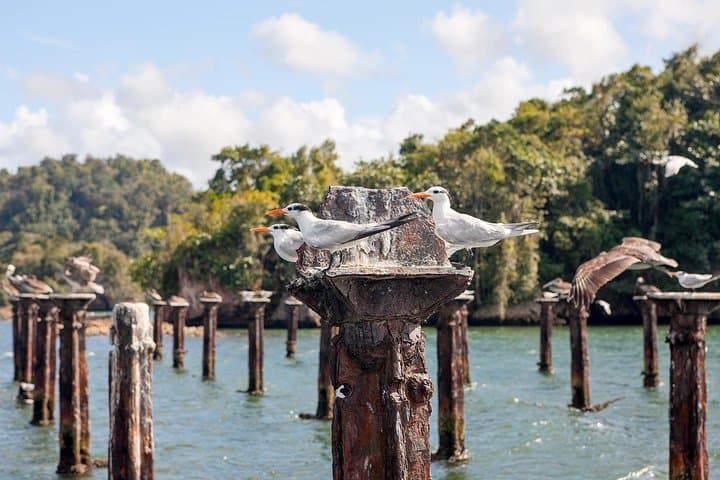
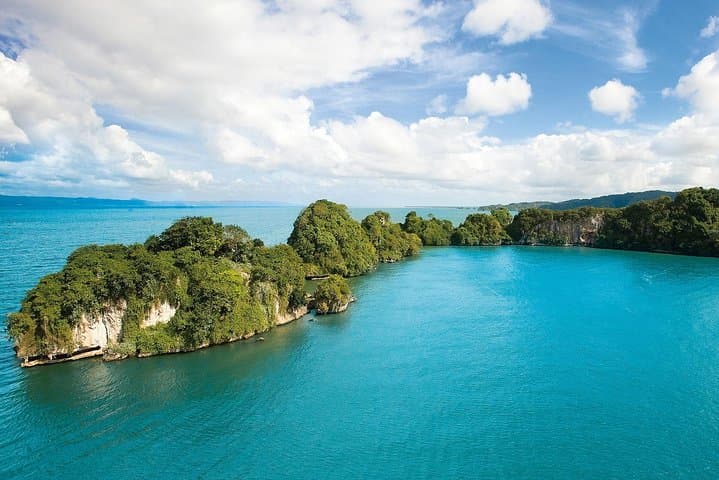
Los Haitises National Park is a karst landscape pushed from the sea: low, forested islets and collapsed limestone that create sheltered bays, sinkholes and caverns carved over millennia. The Taino left petroglyphs in these caves; later, the mangrove channels hid runaway boats and provided refuge for early settlers. Today the park stitches together geological history and living coastline, where fishermen still harvest conch and guides know which channels hold nesting frigatebirds.
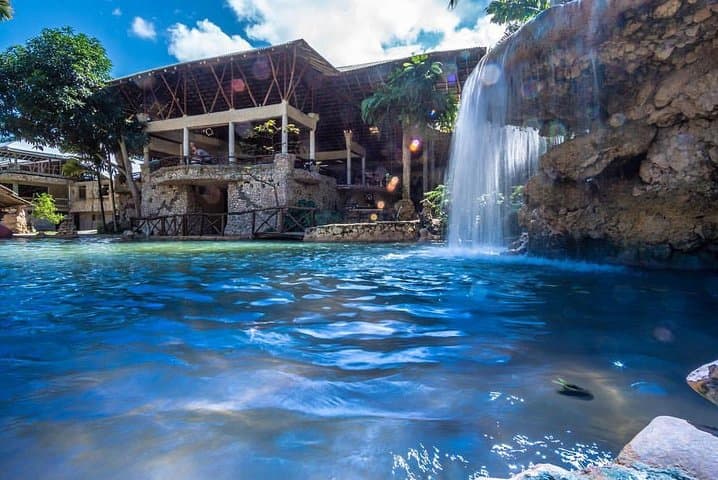
The private excursion blends slow boat exploration with shallow-water swimming at Caño Hondo’s natural pools—a set of calm, rock-ringed basins where freshwater meets the sea. Expect three hours of park cruising with stops in caves and around rock formations, followed by a shore lunch prepared locally and a relaxing dip in crystalline pools at Sabana de la Mar.
Practical edge: the trip is low-impact but active. The boat travel is easy on the legs but requires steady balance when stepping aboard and into shallow landing areas. Bring footwear that can get wet and a small dry bag for valuables. The tour runs roughly 5–8 hours depending on tides and your meeting point (many visitors take the Samana ferry and join in Sabana de la Mar).
Local guides emphasize conservation—stay in the boat unless instructed, avoid touching cave paintings and use reef-safe sunscreen. Photography rewards patience: early morning and late afternoon light turn the mangrove trunks into graphic silhouettes and illuminate cave entrances without glare.
For timing and comfort: morning departures are best for calmer water and active birdlife; mid-day on hotter days is ideal for swimming at Caño Hondo. Lunch is included and typically features fresh fish or chicken with rice and local salads; bring a small tip for the crew and cash for extras. If you have mobility concerns or need a specific meeting point, contact the operator in advance—the team coordinates ferries and pickup from Samaná ports to streamline access.
This is a good introductory coastal adventure—minimal hiking, maximum scenery, and a direct line into a living, breathing corner of the Dominican Republic that still feels a step away from the tourist trail.
easy.
5–8 hours.
Suitable for people with average mobility; involves short boat transfers and easy, occasionally slippery shore landings.
The meeting point is Sabana de la Mar main port; guests arriving from Samaná can take the ferry and meet near the dock—confirm exact coordinates with the operator before travel.
Yes—physical demand is low; however, boarding the boat and stepping ashore can be uneven, so assistance may be required for limited mobility guests.
Generally yes; water is warm year-round, but strong tides or weather can restrict swimming—your guide will advise on safety that day.
Lunch is included and typically features a local meal—fish or chicken with rice, salad and fruit; notify the operator ahead of time for dietary restrictions.
Cave stops are brief and often at the mouths or shallow chambers; if you’re sensitive to tight spaces let the guide know and they will avoid confined areas.
Tours may be canceled due to unsafe weather or sea conditions; the operator reserves the right to cancel for safety and will communicate changes in advance.
The park contains Taino petroglyphs and archaeological sites; its sheltered bays once offered refuge to indigenous communities and later colonial-era sailors.
Los Haitises is a protected area—stay in designated channels, avoid touching cave art, and use reef-safe products to limit impact on mangroves and marine habitats.
The Whales Las Ballenas operates guided outdoor trips and adventures with an emphasis on safety, stewardship, and memorable experiences.
The motor hums low as the boat slips out of Sabana de la Mar harbor, the town’s clapboard roofs shrinking behind you and a green wall of mangrove branches reaching for the sky. Inside Los Haitises, the water narrows into channels that force you to lean forward—roots and trunks press close enough to see barnacles and fiddler crabs at eye level, and light slices through like a spotlight on the limestone ribs of distant islands. Your guide, a local trained alongside biologists, points to a dark lip where a cave mouth yawns and says, simply, “There are pictographs here.”
The motor hums low as the boat slips out of Sabana de la Mar harbor, the town’s clapboard roofs shrinking behind you and a green wall of mangrove branches reaching for the sky. Inside Los Haitises, the water narrows into channels that force you to lean forward—roots and trunks press close enough to see barnacles and fiddler crabs at eye level, and light slices through like a spotlight on the limestone ribs of distant islands. Your guide, a local trained alongside biologists, points to a dark lip where a cave mouth yawns and says, simply, “There are pictographs here.”
Los Haitises National Park is a karst landscape pushed from the sea: low, forested islets and collapsed limestone that create sheltered bays, sinkholes and caverns carved over millennia. The Taino left petroglyphs in these caves; later, the mangrove channels hid runaway boats and provided refuge for early settlers. Today the park stitches together geological history and living coastline, where fishermen still harvest conch and guides know which channels hold nesting frigatebirds.
The private excursion blends slow boat exploration with shallow-water swimming at Caño Hondo’s natural pools—a set of calm, rock-ringed basins where freshwater meets the sea. Expect three hours of park cruising with stops in caves and around rock formations, followed by a shore lunch prepared locally and a relaxing dip in crystalline pools at Sabana de la Mar.
Practical edge: the trip is low-impact but active. The boat travel is easy on the legs but requires steady balance when stepping aboard and into shallow landing areas. Bring footwear that can get wet and a small dry bag for valuables. The tour runs roughly 5–8 hours depending on tides and your meeting point (many visitors take the Samana ferry and join in Sabana de la Mar).
Local guides emphasize conservation—stay in the boat unless instructed, avoid touching cave paintings and use reef-safe sunscreen. Photography rewards patience: early morning and late afternoon light turn the mangrove trunks into graphic silhouettes and illuminate cave entrances without glare.
For timing and comfort: morning departures are best for calmer water and active birdlife; mid-day on hotter days is ideal for swimming at Caño Hondo. Lunch is included and typically features fresh fish or chicken with rice and local salads; bring a small tip for the crew and cash for extras. If you have mobility concerns or need a specific meeting point, contact the operator in advance—the team coordinates ferries and pickup from Samaná ports to streamline access.
This is a good introductory coastal adventure—minimal hiking, maximum scenery, and a direct line into a living, breathing corner of the Dominican Republic that still feels a step away from the tourist trail.