THE ADVENTURE COLLECTIVE® · Independent discovery and booking for outdoor travel

Spend five hours moving from Oviedo to the fishing port of Llanes and a compact ethnographic museum that traces valley life. This guided tour mixes coastal scenery, local history, and time to savor Asturian flavors.
Spend five hours moving from Oviedo to the fishing port of Llanes and a compact ethnographic museum that traces valley life. This guided tour mixes coastal scenery, local history, and time to savor Asturian flavors.
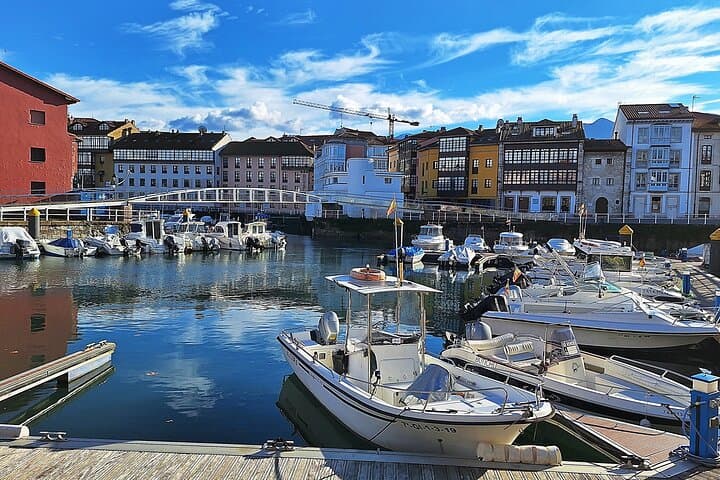
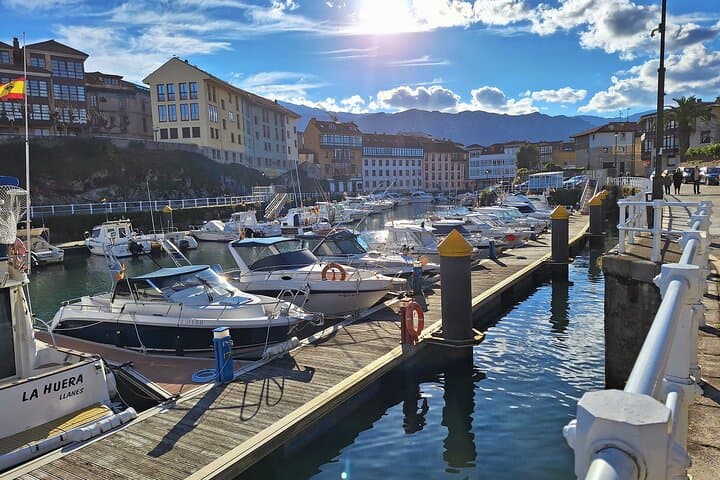
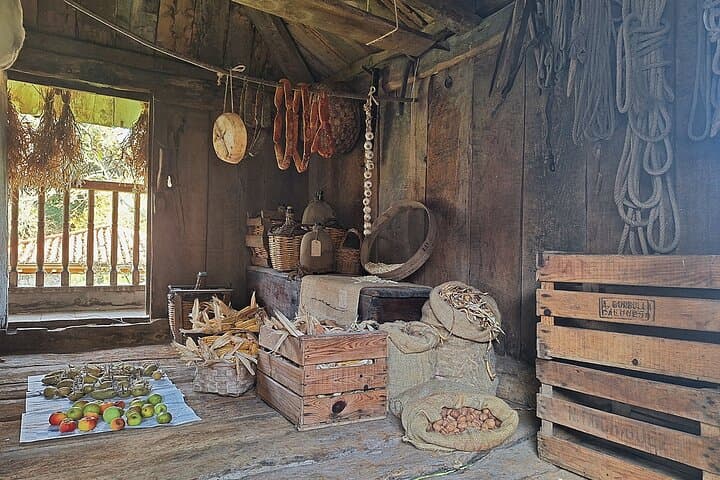
A mist-softened morning in Oviedo gives way to the sharp salt bite of the Cantabrian Sea as you head east toward Llanes. The day begins in a quiet museum courtyard where wooden tools and carved beams seem to hold the memory of valley life; later, the town’s harbor opens like a working postcard—boats bobbing, gulls negotiating wind, and the Cubos de la Memoria’s painted concrete cubes marking where sea meets street.
Verified experiences and guided adventures in the surrounding area.
Operated by EXPLORING CANTABRIA · Llanes, Asturias
A mist-softened morning in Oviedo gives way to the sharp salt bite of the Cantabrian Sea as you head east toward Llanes. The day begins in a quiet museum courtyard where wooden tools and carved beams seem to hold the memory of valley life; later, the town’s harbor opens like a working postcard—boats bobbing, gulls negotiating wind, and the Cubos de la Memoria’s painted concrete cubes marking where sea meets street.
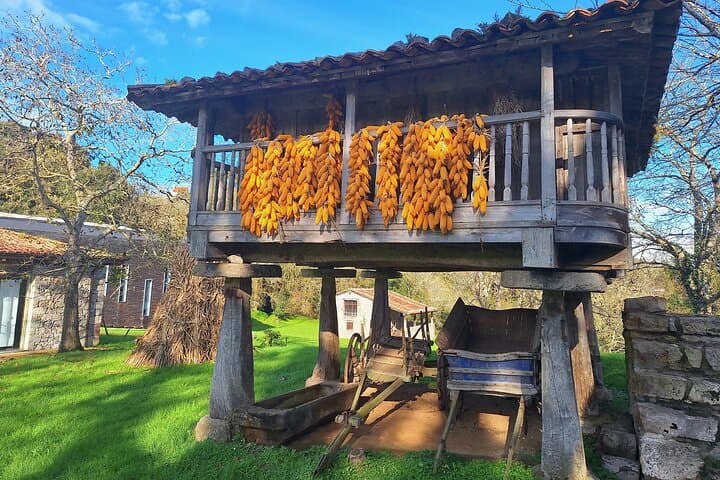
The Ethnographic Museum of Eastern Asturias illuminates centuries of agrarian and pastoral practice—stone-built hórreos, shepherd tools, and festival costumes that map how people read this rugged landscape. Geologically, the eastern Asturian coast is a collision of limestone cliffs, folded strata, and pocket beaches carved by relentless Atlantic swell; that same geology produced the dramatic blowholes and sunken coves around Llanes.
Culturally, Llanes balances maritime trade and rural tradition: a medieval wall and tower recall defensive necessity, while contemporary public art and tapas bars keep the port lively. Expect an hour of free time to stroll the old quarter, sample cider and seafood, or step onto the harbor to feel the current push against the quay.
Practical guide: the tour departs from C/Jovellanos 37 in Oviedo, runs roughly five hours, and includes museum entry and air-conditioned transport. Comfortable walking shoes, a windproof layer, and loose timing for photography will make the day smoother. Mobility-friendly paths and short cobbled streets mean it’s broadly accessible, but coastal weather can change fast—plan accordingly.
easy.
5 hours.
Suitable for most fitness levels—mostly short walks on flat or gently sloped streets with some cobbles.
The meeting point is C/Jovellanos 37 in Oviedo; the tour includes air-conditioned transport to the museum and Llanes.
Yes—the tour price includes entrance to the Eastern Ethnographic Museum.
The itinerary provides about one hour of free time to explore the harbor, grab a bite, or walk the historic center.
The provider notes the experience is stroller-accessible and generally suitable for most fitness levels, though some cobbled streets may be uneven.
Llanes grew as a medieval fishing and trading port; the town’s wall and tower reflect its strategic Atlantic position, while modern works like Ibarrola’s Cubos de la Memoria bridge past and present.
Coastal erosion and visitor pressure affect cliffs and beaches—stick to marked paths, avoid collecting geological samples, and support local businesses to help sustain the area.
EXPLORING CANTABRIA operates guided outdoor trips and adventures with an emphasis on safety, stewardship, and memorable experiences.
A mist-softened morning in Oviedo gives way to the sharp salt bite of the Cantabrian Sea as you head east toward Llanes. The day begins in a quiet museum courtyard where wooden tools and carved beams seem to hold the memory of valley life; later, the town’s harbor opens like a working postcard—boats bobbing, gulls negotiating wind, and the Cubos de la Memoria’s painted concrete cubes marking where sea meets street.
A mist-softened morning in Oviedo gives way to the sharp salt bite of the Cantabrian Sea as you head east toward Llanes. The day begins in a quiet museum courtyard where wooden tools and carved beams seem to hold the memory of valley life; later, the town’s harbor opens like a working postcard—boats bobbing, gulls negotiating wind, and the Cubos de la Memoria’s painted concrete cubes marking where sea meets street.
The Ethnographic Museum of Eastern Asturias illuminates centuries of agrarian and pastoral practice—stone-built hórreos, shepherd tools, and festival costumes that map how people read this rugged landscape. Geologically, the eastern Asturian coast is a collision of limestone cliffs, folded strata, and pocket beaches carved by relentless Atlantic swell; that same geology produced the dramatic blowholes and sunken coves around Llanes.
Culturally, Llanes balances maritime trade and rural tradition: a medieval wall and tower recall defensive necessity, while contemporary public art and tapas bars keep the port lively. Expect an hour of free time to stroll the old quarter, sample cider and seafood, or step onto the harbor to feel the current push against the quay.
Practical guide: the tour departs from C/Jovellanos 37 in Oviedo, runs roughly five hours, and includes museum entry and air-conditioned transport. Comfortable walking shoes, a windproof layer, and loose timing for photography will make the day smoother. Mobility-friendly paths and short cobbled streets mean it’s broadly accessible, but coastal weather can change fast—plan accordingly.