THE ADVENTURE COLLECTIVE® · Independent discovery and booking for outdoor travel

Descend into Montenegro’s Lipa Cave on a guided private tour that reveals enormous halls, intricate karst formations, and a practical cave bar to warm up afterward. This 4–5 hour trip pairs underground geology with nearby cultural stops in Cetinje.
Descend into Montenegro’s Lipa Cave on a guided private tour that reveals enormous halls, intricate karst formations, and a practical cave bar to warm up afterward. This 4–5 hour trip pairs underground geology with nearby cultural stops in Cetinje.
You step from an air-conditioned van into a cool mouth of stone—air tasting of mineral and time. Footsteps echo as lights guide a path through vaults where water has been carving cathedrals for millennia. Stalactites hang like slow, patient chandeliers; stalagmites rise in deliberate silence, and every drop seems intent on shaping the next century.
Verified experiences and guided adventures in the surrounding area.
Operated by Montours Cetinje · Cetinje, Cetinje Municipality
You step from an air-conditioned van into a cool mouth of stone—air tasting of mineral and time. Footsteps echo as lights guide a path through vaults where water has been carving cathedrals for millennia. Stalactites hang like slow, patient chandeliers; stalagmites rise in deliberate silence, and every drop seems intent on shaping the next century.
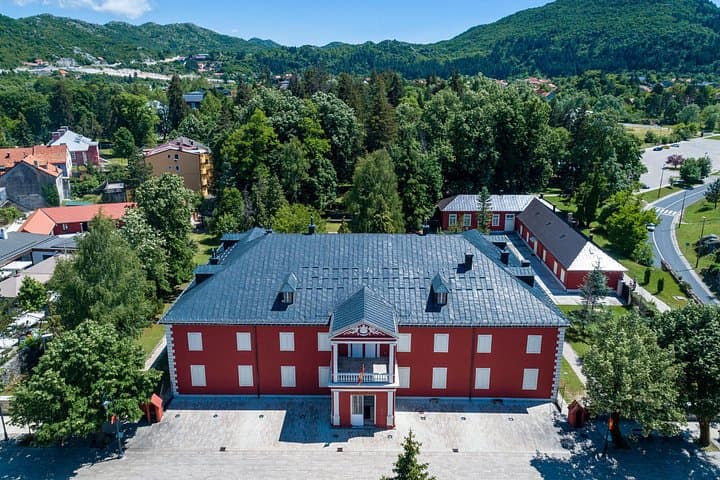
Lipa Cave opened to visitors as Montenegro began to value its karst heritage; the system stretches roughly 2.5 km of passages and halls carved in limestone. Geologically it’s classic Dinaric karst: soluble rock, underground drainage, and sculpted speleothems. Culturally, the cave sits near Cetinje, in a landscape of royal history and Orthodox monasteries—visit the nearby King Nikola’s Palace to place the underground in historical context.
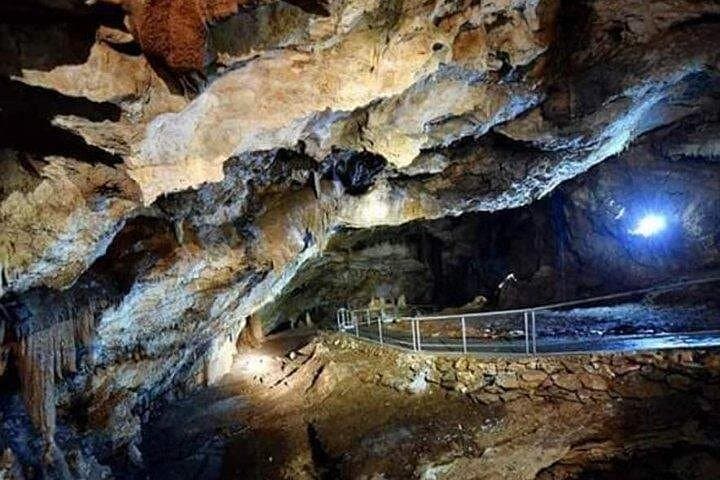
The tour is guided and built for accessibility: paved walkways, lighting, and pauses for photo-friendly viewpoints. Expect constant cool temperatures, damp stone underfoot, and tight low-ceiling sections in places. A small cave bar near the exit offers a pragmatic end to the chill—local visitors often compare the taste of a warm drink after the cold to a small ceremony.
Practical guidance: wear sturdy, closed-toe shoes with good tread, bring a light layer for the cave’s 8–12°C range, and carry a small daypack for essentials. Cameras work well but watch for condensation. The private tour format includes transport and a guided museum stop in Cetinje; plan 4–5 hours for the full experience. Respect marked paths—cave formations take centuries to form and seconds to damage.
easy.
4–5 hours.
Suitable for most fitness levels; involves walking on paved but sometimes uneven surfaces for about an hour underground.
The guided cave visit typically lasts about 60 minutes on paved trails through the main halls and passages.
Yes—paths are developed and the tour is rated easy, though strollers and wheelchairs may be limited in some sections; check with the operator for accessibility details.
Expect a steady cool of roughly 8–12°C (46–54°F); bring a light jacket or fleece even in summer.
Photography is generally allowed but avoid flash in sensitive areas; follow your guide’s instructions to protect formations and other guests.
Lipa Cave became one of Montenegro’s first publicly accessible caves; its crowds increased alongside regional tourism focused on the Dinaric karst and Cetinje’s historical sites.
Visitors must stay on marked paths to protect fragile speleothems; local guides and management limit access to sensitive areas to reduce impact.
Montours Cetinje operates guided outdoor trips and adventures with an emphasis on safety, stewardship, and memorable experiences.
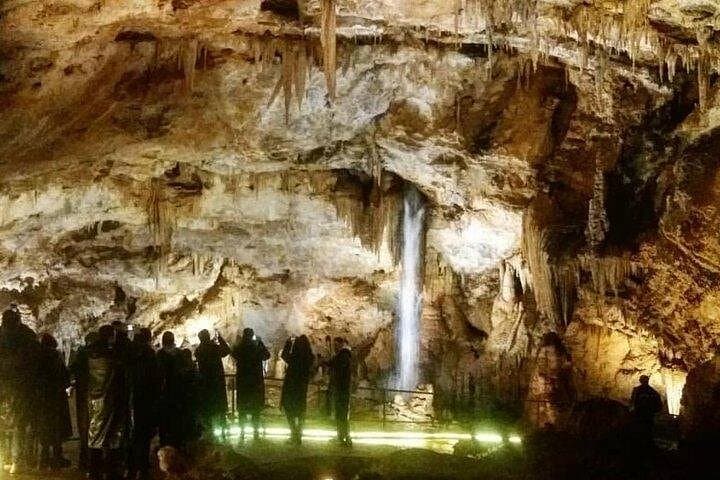
You step from an air-conditioned van into a cool mouth of stone—air tasting of mineral and time. Footsteps echo as lights guide a path through vaults where water has been carving cathedrals for millennia. Stalactites hang like slow, patient chandeliers; stalagmites rise in deliberate silence, and every drop seems intent on shaping the next century.
You step from an air-conditioned van into a cool mouth of stone—air tasting of mineral and time. Footsteps echo as lights guide a path through vaults where water has been carving cathedrals for millennia. Stalactites hang like slow, patient chandeliers; stalagmites rise in deliberate silence, and every drop seems intent on shaping the next century.
Lipa Cave opened to visitors as Montenegro began to value its karst heritage; the system stretches roughly 2.5 km of passages and halls carved in limestone. Geologically it’s classic Dinaric karst: soluble rock, underground drainage, and sculpted speleothems. Culturally, the cave sits near Cetinje, in a landscape of royal history and Orthodox monasteries—visit the nearby King Nikola’s Palace to place the underground in historical context.
The tour is guided and built for accessibility: paved walkways, lighting, and pauses for photo-friendly viewpoints. Expect constant cool temperatures, damp stone underfoot, and tight low-ceiling sections in places. A small cave bar near the exit offers a pragmatic end to the chill—local visitors often compare the taste of a warm drink after the cold to a small ceremony.
Practical guidance: wear sturdy, closed-toe shoes with good tread, bring a light layer for the cave’s 8–12°C range, and carry a small daypack for essentials. Cameras work well but watch for condensation. The private tour format includes transport and a guided museum stop in Cetinje; plan 4–5 hours for the full experience. Respect marked paths—cave formations take centuries to form and seconds to damage.