THE ADVENTURE COLLECTIVE® · Independent discovery and booking for outdoor travel

A guided, hour-long tour that demystifies snakes and showcases local and global species, followed by optional time to explore aviaries, tortoise enclosures, and a short forest walk to a riverside setting. Ideal for curious visitors and those nervous about reptiles—education is the focus.
A guided, hour-long tour that demystifies snakes and showcases local and global species, followed by optional time to explore aviaries, tortoise enclosures, and a short forest walk to a riverside setting. Ideal for curious visitors and those nervous about reptiles—education is the focus.
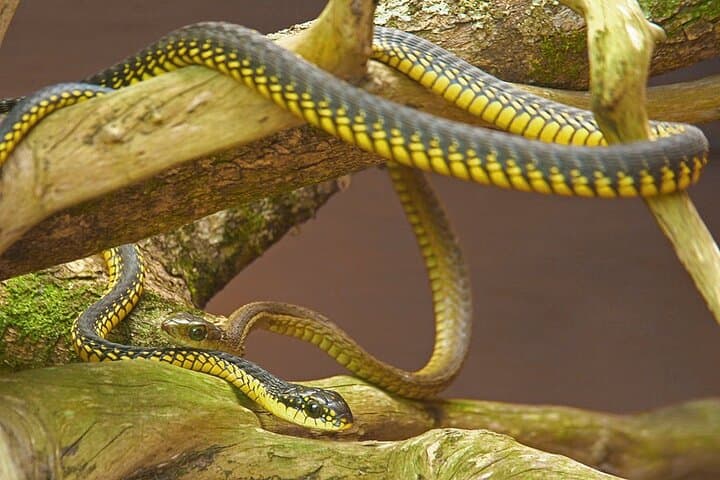
You step through a sunlit gate and the air tips toward green—low canopy, the sharp, dry smell of reed and leaf, and the quiet rustle of reptiles moving in the undergrowth. The one-hour guided tour at Lawnwood Snake Sanctuary frames snakes as living, behaving animals: some deliberate and slow, others quick as a flash, each revealing a different strategy for survival in South Africa's varied climates.
Verified experiences and guided adventures in the surrounding area.
Operated by Lawnwood Snake Sanctuary · Plettenberg Bay, Western Cape
You step through a sunlit gate and the air tips toward green—low canopy, the sharp, dry smell of reed and leaf, and the quiet rustle of reptiles moving in the undergrowth. The one-hour guided tour at Lawnwood Snake Sanctuary frames snakes as living, behaving animals: some deliberate and slow, others quick as a flash, each revealing a different strategy for survival in South Africa's varied climates.
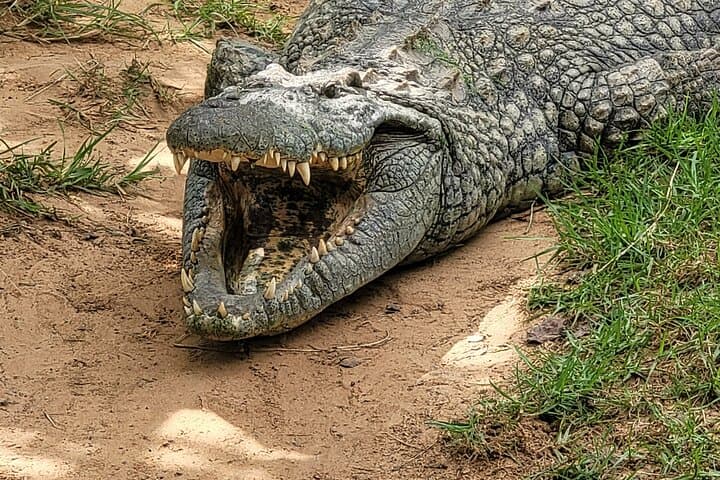
The sanctuary's collection traces local species first, then broadens to snakes from across South Africa and beyond, offering context on venom, behavior, and conservation. The center grew from grassroots rescue and education efforts common to South African herpetological programs, aiming to reduce fear through knowledge and to promote coexistence.
Geology here is unflashy but instructive—sandy loam and patches of indigenous forest that feed a small river, which seems to dare you to follow it on the property’s short forest trail. Cultural ties to the land include local community outreach and school programs, common among wildlife centers in the region.
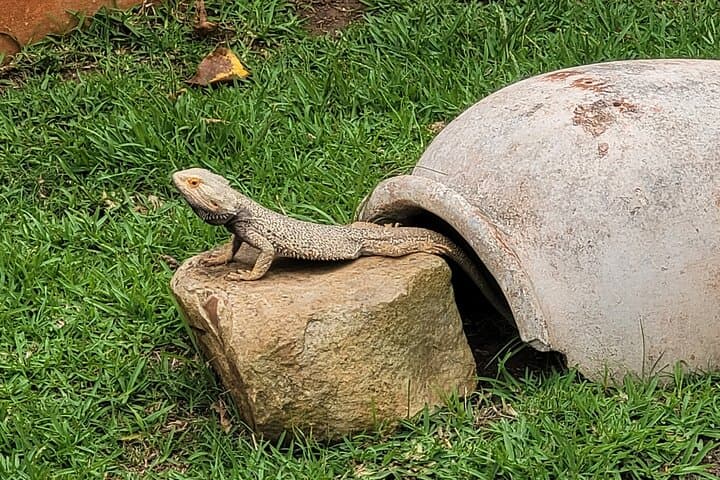
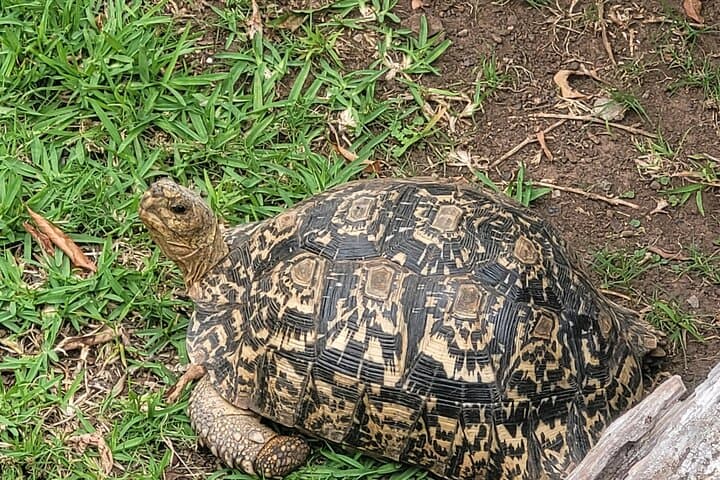
Practical guidance: arrive 15 minutes early with closed-toe shoes for the forest walk and a reusable water bottle. The guided portion lasts about 60 minutes, but visitors often linger—watch the aviary for African Grey parrots or the reptile enclosures for tortoises and lizards. Photography is usually permitted; ask the guide about flash rules.
Accessibility is a feature rather than an afterthought—paths and facilities accommodate wheelchairs and strollers, but the forest loop can be uneven. Respect enclosures, follow staff instructions, and leave no trace to help this small center continue its educational mission.
easy.
1–2 hours.
Suitable for all fitness levels; mostly standing and short walks with an optional short uneven trail.
The guided educational tour is approximately 60 minutes; visitors may stay afterward to explore exhibits and the forest walk.
Yes—facilities and main exhibit areas are wheelchair and stroller accessible; the forest walk may be uneven and less accessible.
Children are welcome; service animals are allowed but general pets are not recommended—check with staff for specific policies.
Photography is generally allowed; the guide will advise against flash near sensitive species and during handling demonstrations.
The sanctuary developed from local rescue and educational initiatives common in South Africa, focusing on reducing human–snake conflict through public outreach.
The site emphasizes rescue, rehabilitation, and education; visitors are asked to follow rules to minimize stress on animals and support local conservation efforts.
Lawnwood Snake Sanctuary operates guided outdoor trips and adventures with an emphasis on safety, stewardship, and memorable experiences.
You step through a sunlit gate and the air tips toward green—low canopy, the sharp, dry smell of reed and leaf, and the quiet rustle of reptiles moving in the undergrowth. The one-hour guided tour at Lawnwood Snake Sanctuary frames snakes as living, behaving animals: some deliberate and slow, others quick as a flash, each revealing a different strategy for survival in South Africa's varied climates.
You step through a sunlit gate and the air tips toward green—low canopy, the sharp, dry smell of reed and leaf, and the quiet rustle of reptiles moving in the undergrowth. The one-hour guided tour at Lawnwood Snake Sanctuary frames snakes as living, behaving animals: some deliberate and slow, others quick as a flash, each revealing a different strategy for survival in South Africa's varied climates.
The sanctuary's collection traces local species first, then broadens to snakes from across South Africa and beyond, offering context on venom, behavior, and conservation. The center grew from grassroots rescue and education efforts common to South African herpetological programs, aiming to reduce fear through knowledge and to promote coexistence.
Geology here is unflashy but instructive—sandy loam and patches of indigenous forest that feed a small river, which seems to dare you to follow it on the property’s short forest trail. Cultural ties to the land include local community outreach and school programs, common among wildlife centers in the region.
Practical guidance: arrive 15 minutes early with closed-toe shoes for the forest walk and a reusable water bottle. The guided portion lasts about 60 minutes, but visitors often linger—watch the aviary for African Grey parrots or the reptile enclosures for tortoises and lizards. Photography is usually permitted; ask the guide about flash rules.
Accessibility is a feature rather than an afterthought—paths and facilities accommodate wheelchairs and strollers, but the forest loop can be uneven. Respect enclosures, follow staff instructions, and leave no trace to help this small center continue its educational mission.