THE ADVENTURE COLLECTIVE® · Independent discovery and booking for outdoor travel

Walk a coastal gallery of more than 700 petroglyphs just under an hour from Mazatlán. This guided visit pairs archaeology with a beach walk and naturalist interpretation—ideal for history buffs and nature photographers.
Walk a coastal gallery of more than 700 petroglyphs just under an hour from Mazatlán. This guided visit pairs archaeology with a beach walk and naturalist interpretation—ideal for history buffs and nature photographers.
The wind off the Sea of Cortez lifts sand across black volcanic outcrops where more than 700 petroglyphs sit like messages carved into time. On arrival the guide spreads out a field map and the group moves along a flat, sandy beach to panels etched with plants, animals and geometric motifs; gulls wheel overhead and the surf keeps time in the background.
Verified experiences and guided adventures in the surrounding area.
Operated by Bird Watching Mazatlán · Mazatlán, Sinaloa
The wind off the Sea of Cortez lifts sand across black volcanic outcrops where more than 700 petroglyphs sit like messages carved into time. On arrival the guide spreads out a field map and the group moves along a flat, sandy beach to panels etched with plants, animals and geometric motifs; gulls wheel overhead and the surf keeps time in the background.
Las Labradas occupies a narrow coastal shelf of volcanic stone and beach—a landscape shaped by ancient people and persistent waves. The engravings are the visible record of pre‑colonial coastal communities; scholars debate exact ages and meanings, but the motifs reveal a close relationship with marine life and seasonal resources. Geologically the site is set on cooled lava flows fractured and smoothed by wind and tide; the contrast between dark rock and pale sand makes the petroglyphs easy to spot at low tide.
Local guides combine archaeological interpretation with natural history, pointing out coastal scrub, shorebirds and tide‑pool creatures while describing the traditional fishing culture of the Sinaloa coast. Respect for the rock art is central—no climbing, no touching—and your visit supports both interpretation and basic preservation.
Practicalities: tours run from Mazatlán with about a 50‑minute transfer each way; expect easy, mostly flat walking on sand and rock over 45–60 minutes at the site. Bring sun protection, sufficient water, and comfortable closed shoes for uneven rock. Time your visit for low tide and morning hours to avoid heat and to get the best light for photography.
easy.
3–4 hours (including transfers).
Suitable for most fitness levels; involves 30–60 minutes of easy walking on sand and rock
The drive is roughly 45–60 minutes each way depending on traffic and the exact pickup point in Mazatlán.
Yes—children are welcome; infants must sit on a caregiver’s lap during transfers per operator policy.
Access is limited—beach and rocky surfaces are uneven; the site is not fully wheelchair accessible and may be difficult for those with restricted mobility.
Photography for personal use is allowed; the tour price typically includes site entrance as noted in the itinerary.
Las Labradas preserves coastal rock art made by pre‑colonial inhabitants who referenced marine life and seasonal resources; the site is one of the most extensive petroglyph concentrations on Mexico’s Pacific coast.
The main threats are coastal erosion and human abrasion; follow guide instructions, avoid touching carvings and stick to established walking areas to minimize impact.
Bird Watching Mazatlán operates guided outdoor trips and adventures with an emphasis on safety, stewardship, and memorable experiences.
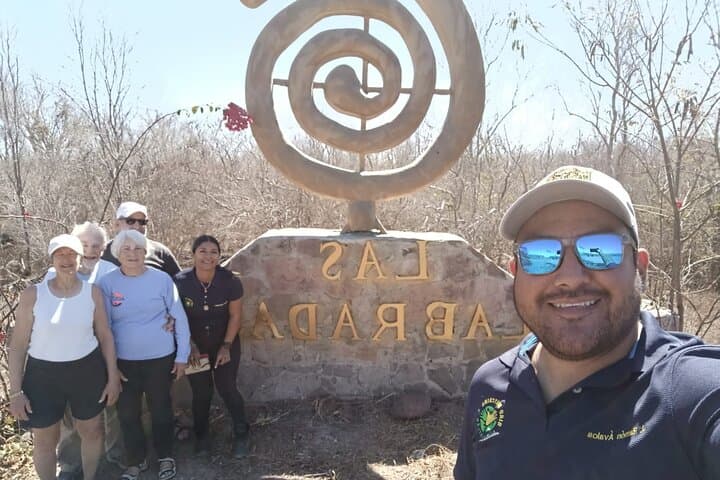
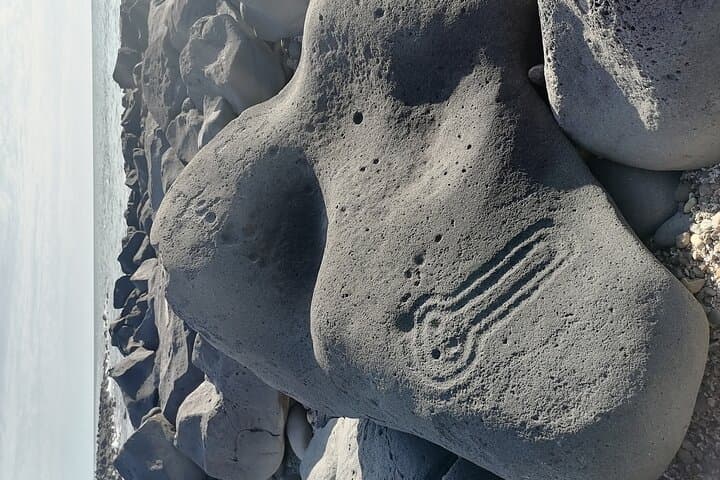
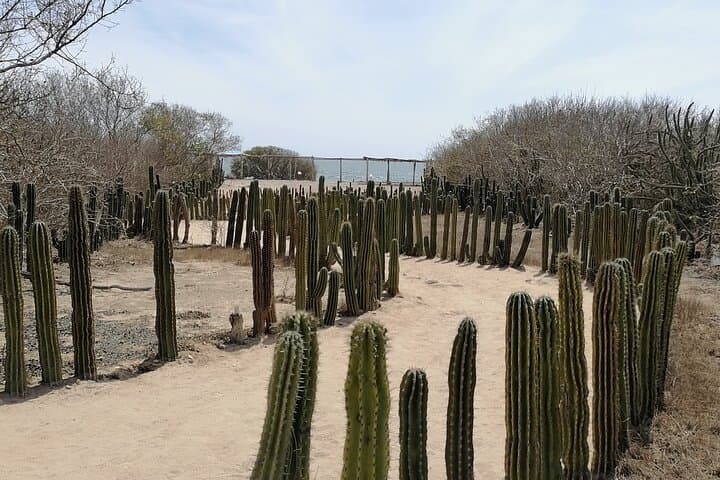
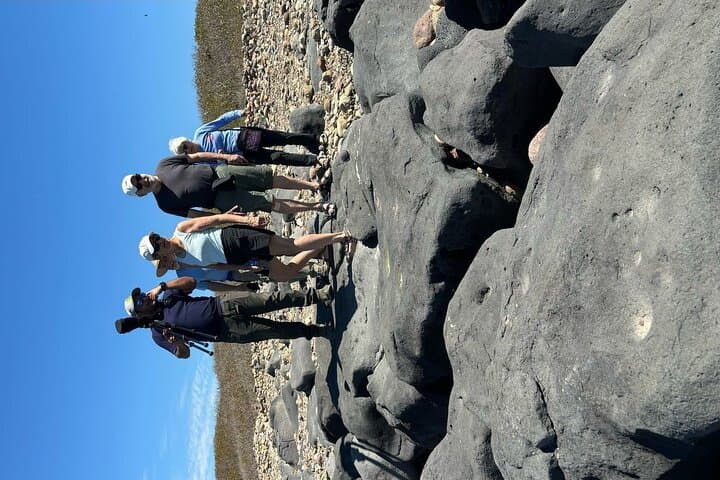
The wind off the Sea of Cortez lifts sand across black volcanic outcrops where more than 700 petroglyphs sit like messages carved into time. On arrival the guide spreads out a field map and the group moves along a flat, sandy beach to panels etched with plants, animals and geometric motifs; gulls wheel overhead and the surf keeps time in the background.
The wind off the Sea of Cortez lifts sand across black volcanic outcrops where more than 700 petroglyphs sit like messages carved into time. On arrival the guide spreads out a field map and the group moves along a flat, sandy beach to panels etched with plants, animals and geometric motifs; gulls wheel overhead and the surf keeps time in the background.
Las Labradas occupies a narrow coastal shelf of volcanic stone and beach—a landscape shaped by ancient people and persistent waves. The engravings are the visible record of pre‑colonial coastal communities; scholars debate exact ages and meanings, but the motifs reveal a close relationship with marine life and seasonal resources. Geologically the site is set on cooled lava flows fractured and smoothed by wind and tide; the contrast between dark rock and pale sand makes the petroglyphs easy to spot at low tide.
Local guides combine archaeological interpretation with natural history, pointing out coastal scrub, shorebirds and tide‑pool creatures while describing the traditional fishing culture of the Sinaloa coast. Respect for the rock art is central—no climbing, no touching—and your visit supports both interpretation and basic preservation.
Practicalities: tours run from Mazatlán with about a 50‑minute transfer each way; expect easy, mostly flat walking on sand and rock over 45–60 minutes at the site. Bring sun protection, sufficient water, and comfortable closed shoes for uneven rock. Time your visit for low tide and morning hours to avoid heat and to get the best light for photography.