THE ADVENTURE COLLECTIVE® · Independent discovery and booking for outdoor travel

Spend a full day exploring Lalibela’s world-famous rock-hewn churches with hotel and airport pickup. This guided tour covers the main monolithic complexes, their history, and practical tips for respectful, comfortable visits.
Spend a full day exploring Lalibela’s world-famous rock-hewn churches with hotel and airport pickup. This guided tour covers the main monolithic complexes, their history, and practical tips for respectful, comfortable visits.
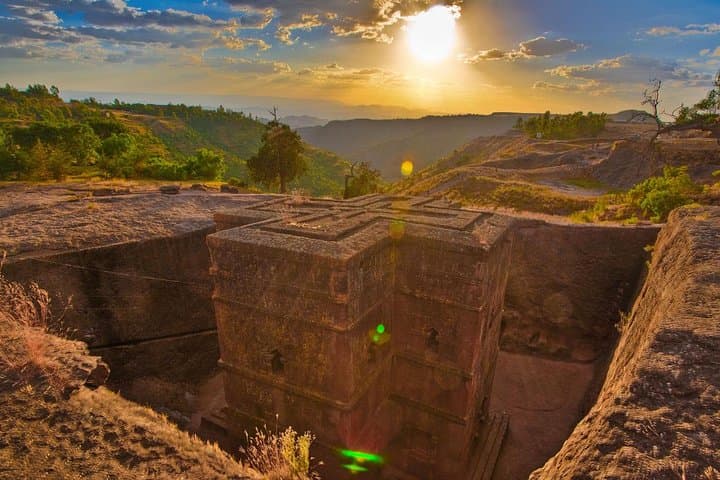
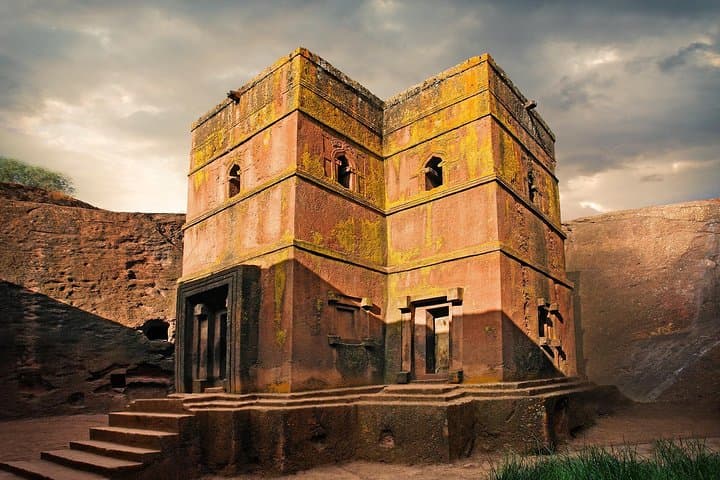
Morning light slices across volcanic granite as you step from an air-conditioned minivan into Lalibela’s highland air. The town’s 11 major rock-cut churches sit like rooms in the earth — carved down, then carved out — their shadowed courtyards and narrow passageways drawing visitors inward. A guide leads the group through trenches, across worn stone bridges and into chapels where incense still rises and centuries-old icons hold the light.
Verified experiences and guided adventures in the surrounding area.
Operated by Aman Ethiopia Tours And Travel Agent · Lalibela, Amhara
Morning light slices across volcanic granite as you step from an air-conditioned minivan into Lalibela’s highland air. The town’s 11 major rock-cut churches sit like rooms in the earth — carved down, then carved out — their shadowed courtyards and narrow passageways drawing visitors inward. A guide leads the group through trenches, across worn stone bridges and into chapels where incense still rises and centuries-old icons hold the light.
The site dates to the Zagwe dynasty (12th–13th centuries) and was conceived as a symbolic Jerusalem; its monolithic churches were sculpted from single granite blocks, linked by subterranean tunnels and engineered channels that manage both light and runoff. Geologically, the churches exploit a homogenous volcanic tuff and granite plateau that allowed masons to excavate deep vertical trenches and hollow the interiors without collapsing the roof.
Culturally the area remains an active pilgrimage center: services, processions and priests in traditional dress animate the spaces. Visitors should expect uneven flagstones, low doorways and rules of respect — modest dress and quiet inside worship areas.
Practical guidance: tours run about 6–7 hours with hotel and airport pickup; wear sturdy, closed-toe shoes, bring sun protection and carry water. Plan for mornings if you want softer light and smaller groups; afternoons catch long shadows across the courtyards. Photography is allowed in many areas but ask before shooting services or clergy. The walk is low in technical challenge but high in sensory detail — let the stone lead the pace, and allow time to sit in a quiet doorway to take the place in.
easy.
6–7 hours.
Suitable for most fitness levels; requires standing, walking on uneven stone, and some short climbs.
The full-day private tour lasts about 6–7 hours including hotel and airport pickup and drop-off.
This tour description notes a guide and transport; confirm whether site entrance fees are covered when booking.
Yes — the tour is labeled easy and suitable for all fitness levels, but be prepared for uneven ground and low doorways.
Dress is formal and conservative inside religious sites: shoulders and knees covered; women may be asked to cover heads at certain services.
Lalibela was the capital of the Zagwe dynasty and its 12th–13th century king, Lalibela, is traditionally credited with commissioning the churches as a symbolic Jerusalem.
The UNESCO site balances active religious use with conservation; visitors should stay on marked paths to protect carved rock and avoid touching fragile surfaces.
Aman Ethiopia Tours And Travel Agent operates guided outdoor trips and adventures with an emphasis on safety, stewardship, and memorable experiences.


Morning light slices across volcanic granite as you step from an air-conditioned minivan into Lalibela’s highland air. The town’s 11 major rock-cut churches sit like rooms in the earth — carved down, then carved out — their shadowed courtyards and narrow passageways drawing visitors inward. A guide leads the group through trenches, across worn stone bridges and into chapels where incense still rises and centuries-old icons hold the light.
Morning light slices across volcanic granite as you step from an air-conditioned minivan into Lalibela’s highland air. The town’s 11 major rock-cut churches sit like rooms in the earth — carved down, then carved out — their shadowed courtyards and narrow passageways drawing visitors inward. A guide leads the group through trenches, across worn stone bridges and into chapels where incense still rises and centuries-old icons hold the light.
The site dates to the Zagwe dynasty (12th–13th centuries) and was conceived as a symbolic Jerusalem; its monolithic churches were sculpted from single granite blocks, linked by subterranean tunnels and engineered channels that manage both light and runoff. Geologically, the churches exploit a homogenous volcanic tuff and granite plateau that allowed masons to excavate deep vertical trenches and hollow the interiors without collapsing the roof.
Culturally the area remains an active pilgrimage center: services, processions and priests in traditional dress animate the spaces. Visitors should expect uneven flagstones, low doorways and rules of respect — modest dress and quiet inside worship areas.
Practical guidance: tours run about 6–7 hours with hotel and airport pickup; wear sturdy, closed-toe shoes, bring sun protection and carry water. Plan for mornings if you want softer light and smaller groups; afternoons catch long shadows across the courtyards. Photography is allowed in many areas but ask before shooting services or clergy. The walk is low in technical challenge but high in sensory detail — let the stone lead the pace, and allow time to sit in a quiet doorway to take the place in.