THE ADVENTURE COLLECTIVE® · Independent discovery and booking for outdoor travel

Walk down carved stairways into 12th-century sanctuaries in Lalibela. This guided day tour covers the main rock-hewn churches, combines history with practical logistics, and gives you time to absorb hilltop views and local culture.
Walk down carved stairways into 12th-century sanctuaries in Lalibela. This guided day tour covers the main rock-hewn churches, combines history with practical logistics, and gives you time to absorb hilltop views and local culture.
You step off the transfer at Lalibela’s rim as morning light slices the red earth; stone stairs descend into a courtyard hewn from a single slab, and the air carries faint incense and the scrape of shoes on carved thresholds.
Verified experiences and guided adventures in the surrounding area.
Operated by Happy Day Ethiopian Tours · Lalibela, Amhara Region
You step off the transfer at Lalibela’s rim as morning light slices the red earth; stone stairs descend into a courtyard hewn from a single slab, and the air carries faint incense and the scrape of shoes on carved thresholds.
These 12th-century churches—cut downward from living rock during the reign of King Lalibela—are both architectural daring and devotional landscape. Carved trenches, interconnecting tunnels and monolithic chambers form a compact complex that UNESCO listed in 1978. Geologically, the structures exploit the region’s soft volcanic tuff, which made intricate carving possible but also requires careful conservation; frescoes and carved capitals show centuries of use and repair.
Local culture is present at every turn: Orthodox liturgies, vibrant prayer cloths, and markets where roasted barley and coffee are offered. Guides explain symbolic floor plans and point out lintels, altars and hidden chapels while negotiating narrow stairs and low doorways.
Practical guidance: this is a long, mostly on-foot day—expect uneven stone surfaces, short steep staircases and intermittent shade. Carry a visible ticket (valid up to five days) and wear modest clothing; security guards routinely check tickets at each major church. A good guide saves time and ensures you skip lines and understand the iconography.
Timing matters—visit early for softer light and fewer crowds, and allow the full seven-hour window to see both the main cluster and nearby hill viewpoints. Respect signs, avoid flash photography where posted, and leave space for ongoing worship—these are living sites as well as historic monuments.
easy.
7 hours.
Basic stamina for several hours of walking and negotiating stone steps; suitable for most fitness levels
Yes—tickets are checked at major sites; the ticket for this tour is valid for up to five days and must be carried on your person.
Some areas and the main visitor facilities are accessible, but many churches involve steps, narrow passages and uneven terrain—check specific access needs with the operator in advance.
Photography rules vary—many exteriors can be photographed freely but interiors often restrict flash or high-impact photography; follow your guide and posted signs.
Dress modestly—cover shoulders and knees out of respect for religious services; remove hats inside chapels when requested.
Commissioned in the 12th century under King Lalibela, the churches were carved from volcanic tuff and form a rare example of a medieval subterranean complex; they remain active Orthodox sites.
Heavy visitation and fragile frescoes require visitor care—follow guide instructions, avoid touching carved surfaces, and support local conservation efforts when possible.
Happy Day Ethiopian Tours operates guided outdoor trips and adventures with an emphasis on safety, stewardship, and memorable experiences.
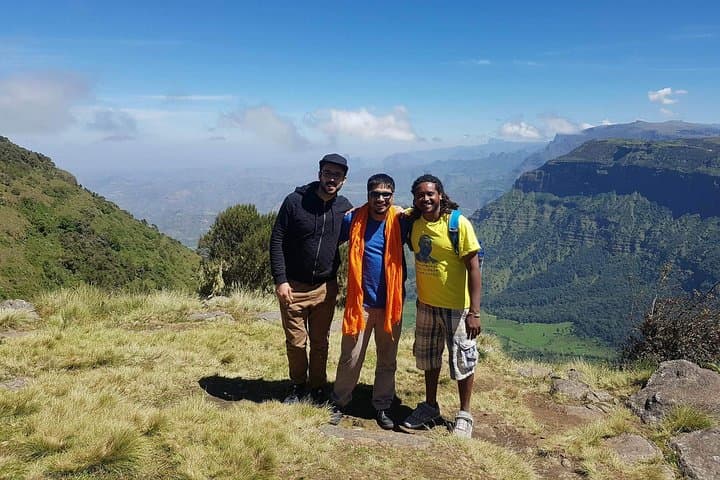


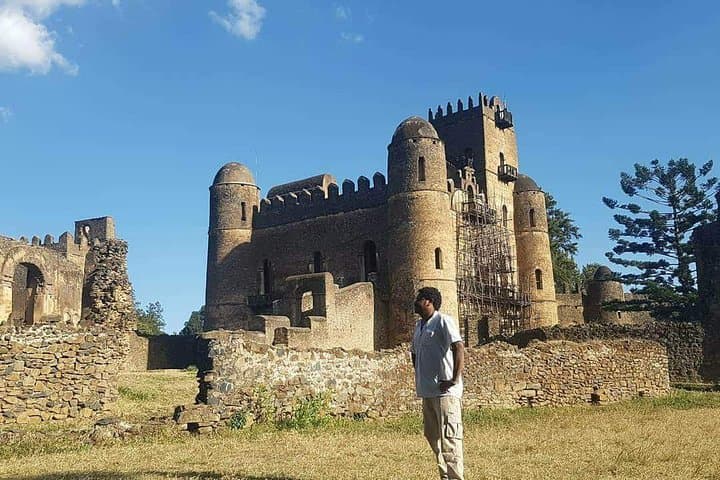
You step off the transfer at Lalibela’s rim as morning light slices the red earth; stone stairs descend into a courtyard hewn from a single slab, and the air carries faint incense and the scrape of shoes on carved thresholds.
You step off the transfer at Lalibela’s rim as morning light slices the red earth; stone stairs descend into a courtyard hewn from a single slab, and the air carries faint incense and the scrape of shoes on carved thresholds.
These 12th-century churches—cut downward from living rock during the reign of King Lalibela—are both architectural daring and devotional landscape. Carved trenches, interconnecting tunnels and monolithic chambers form a compact complex that UNESCO listed in 1978. Geologically, the structures exploit the region’s soft volcanic tuff, which made intricate carving possible but also requires careful conservation; frescoes and carved capitals show centuries of use and repair.
Local culture is present at every turn: Orthodox liturgies, vibrant prayer cloths, and markets where roasted barley and coffee are offered. Guides explain symbolic floor plans and point out lintels, altars and hidden chapels while negotiating narrow stairs and low doorways.
Practical guidance: this is a long, mostly on-foot day—expect uneven stone surfaces, short steep staircases and intermittent shade. Carry a visible ticket (valid up to five days) and wear modest clothing; security guards routinely check tickets at each major church. A good guide saves time and ensures you skip lines and understand the iconography.
Timing matters—visit early for softer light and fewer crowds, and allow the full seven-hour window to see both the main cluster and nearby hill viewpoints. Respect signs, avoid flash photography where posted, and leave space for ongoing worship—these are living sites as well as historic monuments.