THE ADVENTURE COLLECTIVE® · Independent discovery and booking for outdoor travel

Cross one of the world’s highest navigable lakes to visit handcrafted reed islands and a mountain-ringed community famous for weaving. This full-day boat tour from Puno pairs cultural encounters with brisk lakeside walks and sweeping Andean views.
Cross one of the world’s highest navigable lakes to visit handcrafted reed islands and a mountain-ringed community famous for weaving. This full-day boat tour from Puno pairs cultural encounters with brisk lakeside walks and sweeping Andean views.
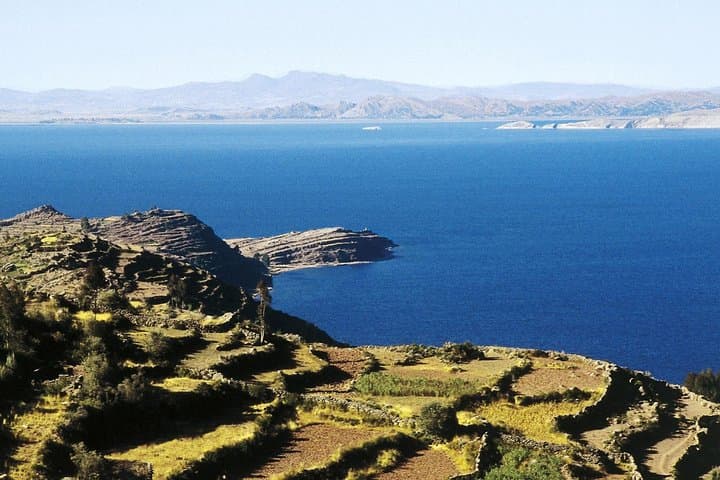
Morning light slices across a broad sheet of water—air thin and bright at roughly 3,812 m. Travelers board a small motorboat at Puno's harbor and soon the lake takes the lead, its cold current daring you forward while distant Andean ridgelines loom like folded parchment.
Verified experiences and guided adventures in the surrounding area.
Operated by PVTravels · Puno, Puno
Morning light slices across a broad sheet of water—air thin and bright at roughly 3,812 m. Travelers board a small motorboat at Puno's harbor and soon the lake takes the lead, its cold current daring you forward while distant Andean ridgelines loom like folded parchment.
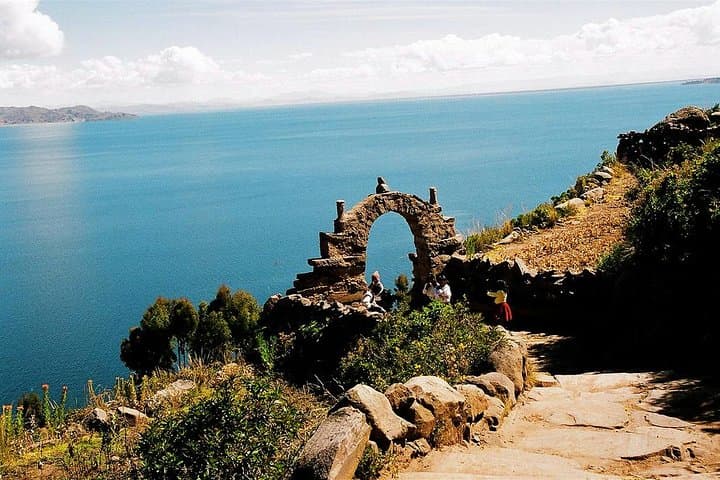
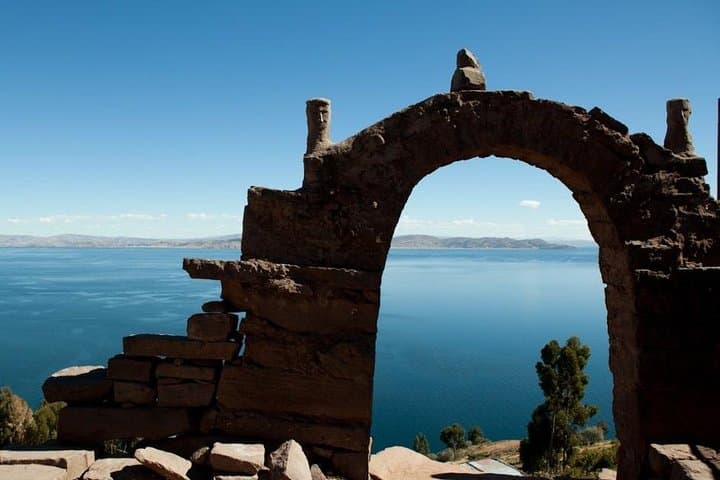
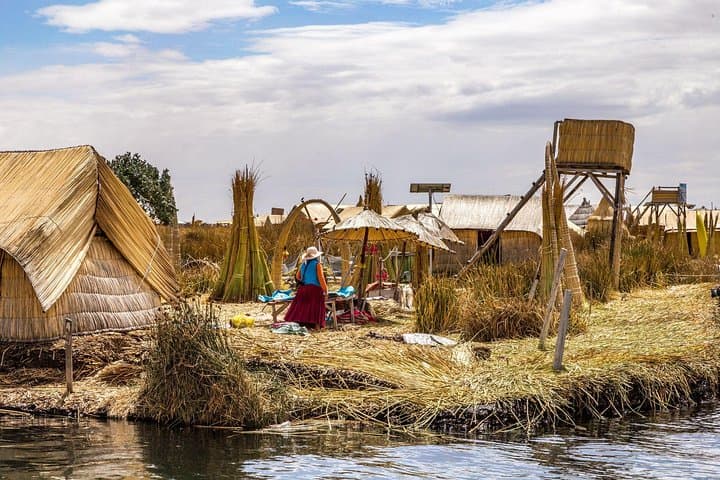
The first stop is the Uros, a cluster of artificial islands made from bundled totora reeds. These islands and their reed boats are living craftwork: centuries-old techniques kept alive by people whose rhythms are tied to cutting, drying and rebuilding the floating platforms. From there the boat pushes toward Taquile, an island with steep stone stairs, narrow footpaths and a highland culture famed for precise, community-based weaving.
Geologically, Lake Titicaca is a high plain basin carved by tectonic uplift and glaciation; at this elevation water and wind shape a landscape both spare and expansive. Culturally, Uros and Taquile offer different chapters—the adaptive reed engineering of Uros and the social textile economy of Taquile, where garments carry status and technique.
Practical notes: expect roughly six hours from pickup to return, with several short boat transfers and a 30–60 minute uphill walk on Taquile (stone steps and cobbles, ~150–300 m elevation gain). Pack layered clothing for strong sun and lake wind, bring cash for crafts and lunch, and allow time to acclimatize to altitude. Respect local customs, take only photos when invited, and leave no trace on these fragile reed shores.
moderate.
6 hours.
Able to handle 30–60 minutes of uphill walking on uneven stone at high altitude; basic stamina required for boat transfers and standing.
Yes—your passport is required on the day of travel and passport details are needed at booking for all participants.
Children are allowed but must be accompanied by an adult; the tour involves boat transfers and walking on uneven, steep paths, so it may be difficult for those with limited mobility.
Yes—lunch is included on Taquile at a local restaurant and typically features local fare; bring snacks if you have specific dietary needs.
Acclimate gradually in Puno, drink plenty of water, avoid alcohol before the tour and consider medication if you're prone to altitude sickness; seek advice from a clinician if unsure.
The Uros built reed islands centuries before the modern state as a strategy of autonomy; Taquile’s cooperative textile traditions date to pre-Columbian times and remain central to social identity.
Totora reeds and shoreline habitats are fragile—avoid trampling reed beds, support genuine community-run craft vendors, and dispose of waste responsibly to protect the lake’s ecology.
PVTravels operates guided outdoor trips and adventures with an emphasis on safety, stewardship, and memorable experiences.
Morning light slices across a broad sheet of water—air thin and bright at roughly 3,812 m. Travelers board a small motorboat at Puno's harbor and soon the lake takes the lead, its cold current daring you forward while distant Andean ridgelines loom like folded parchment.
Morning light slices across a broad sheet of water—air thin and bright at roughly 3,812 m. Travelers board a small motorboat at Puno's harbor and soon the lake takes the lead, its cold current daring you forward while distant Andean ridgelines loom like folded parchment.
The first stop is the Uros, a cluster of artificial islands made from bundled totora reeds. These islands and their reed boats are living craftwork: centuries-old techniques kept alive by people whose rhythms are tied to cutting, drying and rebuilding the floating platforms. From there the boat pushes toward Taquile, an island with steep stone stairs, narrow footpaths and a highland culture famed for precise, community-based weaving.
Geologically, Lake Titicaca is a high plain basin carved by tectonic uplift and glaciation; at this elevation water and wind shape a landscape both spare and expansive. Culturally, Uros and Taquile offer different chapters—the adaptive reed engineering of Uros and the social textile economy of Taquile, where garments carry status and technique.
Practical notes: expect roughly six hours from pickup to return, with several short boat transfers and a 30–60 minute uphill walk on Taquile (stone steps and cobbles, ~150–300 m elevation gain). Pack layered clothing for strong sun and lake wind, bring cash for crafts and lunch, and allow time to acclimatize to altitude. Respect local customs, take only photos when invited, and leave no trace on these fragile reed shores.