THE ADVENTURE COLLECTIVE® · Independent discovery and booking for outdoor travel

Walk through the ashlar quarries surrounding Arequipa on a four-hour guided tour of La Ruta del Sillar. See hand-carved cliffs, canyon walls, and panoramic volcano views while learning the geological and cultural story of sillar.
Walk through the ashlar quarries surrounding Arequipa on a four-hour guided tour of La Ruta del Sillar. See hand-carved cliffs, canyon walls, and panoramic volcano views while learning the geological and cultural story of sillar.
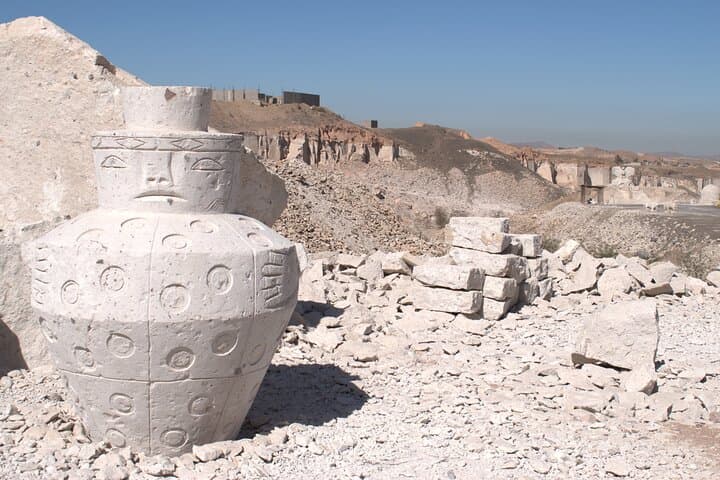
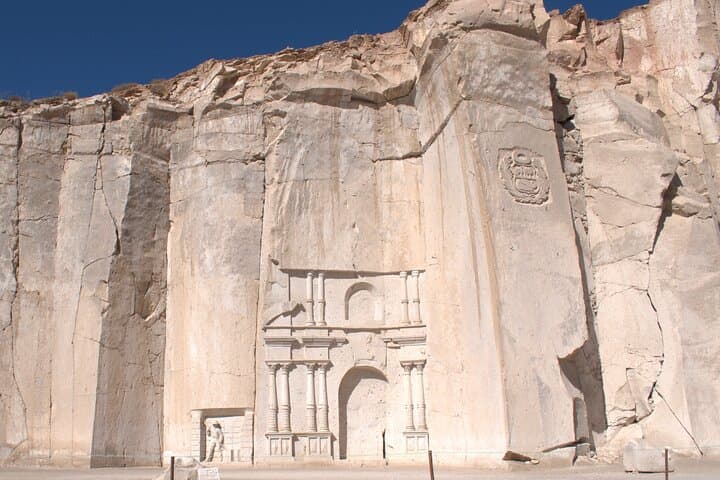
You step out of Arequipa's white-stone hush and into a landscape carved by hands and fire: sun-bleached ashlar cliffs rise, fluted and scored where masons pried blocks from volcanic rock. The air here has a dry, mineral bite; in the distance the volcanic trio—Misti, Chachani and Pichu Pichu—loom like slow, watchful giants.
Verified experiences and guided adventures in the surrounding area.
Operated by PERUVIAN CULTURE TRAVEL · Arequipa, Arequipa
You step out of Arequipa's white-stone hush and into a landscape carved by hands and fire: sun-bleached ashlar cliffs rise, fluted and scored where masons pried blocks from volcanic rock. The air here has a dry, mineral bite; in the distance the volcanic trio—Misti, Chachani and Pichu Pichu—loom like slow, watchful giants.
La Ruta del Sillar traces centuries of extraction and craft. Sillar is a light-colored volcanic tuff used across colonial Arequipa for churches and homes; the route shows raw quarries, worked faces, and the human rhythms that shaped the stone. Geologically, the tuff formed from welded ash and volcanic deposits, soft enough to carve when fresh but durable once set. Culturally, you’ll see apachetas—stacked stones of gratitude—and hear local guides recount techniques passed down from colonial and pre-colonial eras.
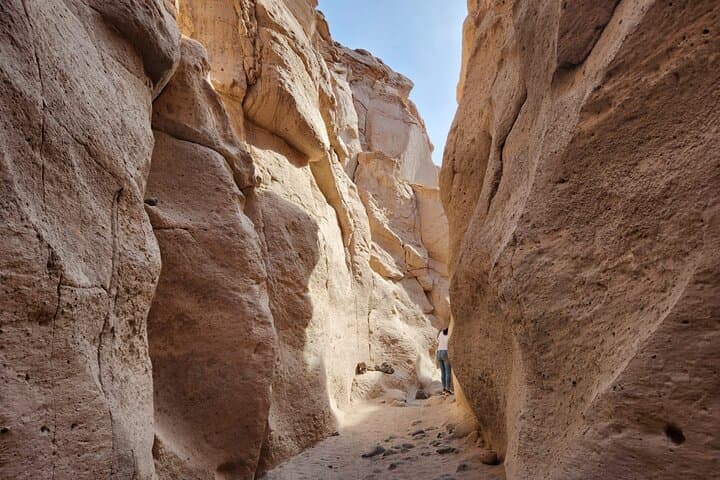
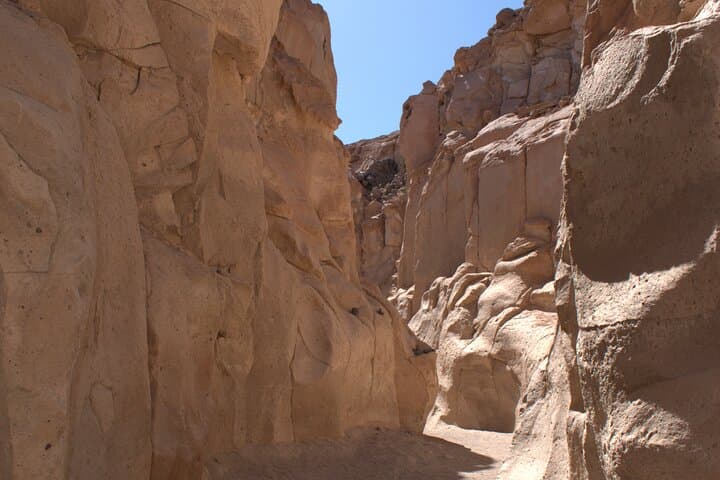
The itinerary includes the Zamacola viewpoint for expansive volcano views, then Quebrada de Culebrillas, where a 20-minute walk cuts into a narrow canyon with 15–20 m walls. Expect textured footing: compacted ash, loose scree and narrow footpaths where the landscape constrains movement. Nature here is candid—wind chisels, sun bakes, and a small canyon channel dares you forward.
Practical guidance: this is a four-hour, easy-paced activity suitable for most fitness levels but at ~2,300–2,400 m elevation—allow for slower breathing if you’re not acclimated. Wear sturdy shoes with grip, sun protection and layers for shifting sun and shade. Carry at least 1–1.5 L water, a light jacket and a camera with extra battery: the light on sillar shifts fast and reveals the stone’s tonal range. Local guides handle transport and context—listen for safety notes in tighter canyon sections.
easy.
4 hours.
Suitable for most fitness levels; expect light walking with short uneven sections and modest elevation effects.
It’s short but includes uneven footing and narrow stretches; sturdy shoes and a steady pace are sufficient for most people.
Basic expenses like tips or snacks may accept cash; guides typically include transport, so carry modest local currency just in case.
Yes—operators list the activity as physically easy, but supervise children in the canyon and factor in altitude for older travelers.
Clear views of the volcanoes Misti, Chachani and Pichu Pichu; visibility depends on weather, so mornings are usually best for clear panoramas.
Sillar has been quarried since pre-colonial times and became central to Arequipa’s colonial architecture; many buildings in the city are constructed from this volcanic tuff.
The route is sensitive to erosion—stay on established paths, avoid removing stones, and follow guide instructions to limit impact on fragile canyon walls.
PERUVIAN CULTURE TRAVEL operates guided outdoor trips and adventures with an emphasis on safety, stewardship, and memorable experiences.
You step out of Arequipa's white-stone hush and into a landscape carved by hands and fire: sun-bleached ashlar cliffs rise, fluted and scored where masons pried blocks from volcanic rock. The air here has a dry, mineral bite; in the distance the volcanic trio—Misti, Chachani and Pichu Pichu—loom like slow, watchful giants.
You step out of Arequipa's white-stone hush and into a landscape carved by hands and fire: sun-bleached ashlar cliffs rise, fluted and scored where masons pried blocks from volcanic rock. The air here has a dry, mineral bite; in the distance the volcanic trio—Misti, Chachani and Pichu Pichu—loom like slow, watchful giants.
La Ruta del Sillar traces centuries of extraction and craft. Sillar is a light-colored volcanic tuff used across colonial Arequipa for churches and homes; the route shows raw quarries, worked faces, and the human rhythms that shaped the stone. Geologically, the tuff formed from welded ash and volcanic deposits, soft enough to carve when fresh but durable once set. Culturally, you’ll see apachetas—stacked stones of gratitude—and hear local guides recount techniques passed down from colonial and pre-colonial eras.
The itinerary includes the Zamacola viewpoint for expansive volcano views, then Quebrada de Culebrillas, where a 20-minute walk cuts into a narrow canyon with 15–20 m walls. Expect textured footing: compacted ash, loose scree and narrow footpaths where the landscape constrains movement. Nature here is candid—wind chisels, sun bakes, and a small canyon channel dares you forward.
Practical guidance: this is a four-hour, easy-paced activity suitable for most fitness levels but at ~2,300–2,400 m elevation—allow for slower breathing if you’re not acclimated. Wear sturdy shoes with grip, sun protection and layers for shifting sun and shade. Carry at least 1–1.5 L water, a light jacket and a camera with extra battery: the light on sillar shifts fast and reveals the stone’s tonal range. Local guides handle transport and context—listen for safety notes in tighter canyon sections.