THE ADVENTURE COLLECTIVE® · Independent discovery and booking for outdoor travel

Walk from Tofukuji’s maple-filled bridge to the thousand vermilion torii of Fushimi Inari on a small-group guided tour that blends Zen gardens, shrine lore, and quieter viewpoints. Ideal for travelers seeking both cultural depth and manageable exertion.
Walk from Tofukuji’s maple-filled bridge to the thousand vermilion torii of Fushimi Inari on a small-group guided tour that blends Zen gardens, shrine lore, and quieter viewpoints. Ideal for travelers seeking both cultural depth and manageable exertion.
You step away from the buzz of Kyoto Station and into a quiet world of cedar shade and stone lanterns. The path leads from Tofukuji’s wooden bridge across a valley of maples, into a small, private Zen sub-temple where raked gravel and moss take on a voice of their own—calm, exacting, and oddly alive.
Verified experiences and guided adventures in the surrounding area.
Operated by Japan Wonder Travel · Kyoto, Kyoto Prefecture
You step away from the buzz of Kyoto Station and into a quiet world of cedar shade and stone lanterns. The path leads from Tofukuji’s wooden bridge across a valley of maples, into a small, private Zen sub-temple where raked gravel and moss take on a voice of their own—calm, exacting, and oddly alive.
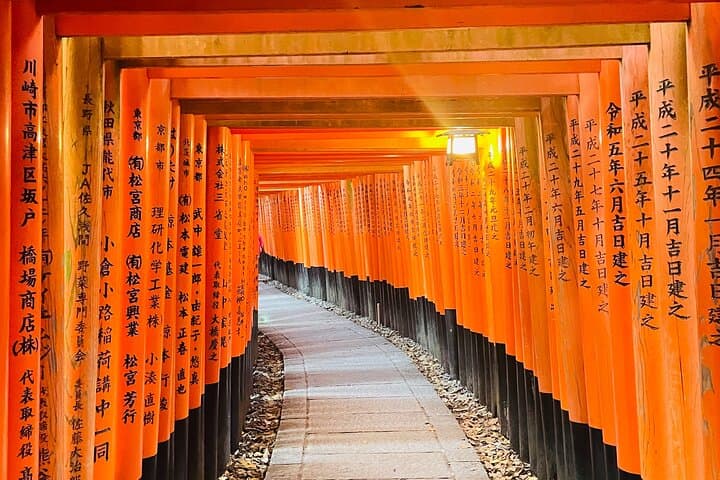
This four-hour walk folds together two threads of Kyoto’s past: the austere Zen traditions practiced at Tofukuji (a major temple complex founded in the 13th century) and the older rice-and-prosperity cult of Fushimi Inari, whose shrine at the base of Mount Inari dates back to the 8th century. The mountain itself is low and wooded—granite outcrops and shrubby ridgelines that frame the city—while the thousands of vermilion torii are donations that map centuries of commerce and faith.
Guides explain garden design, Zen meditation basics, and the meaning behind fox statues and shrine offerings, while steering you toward quieter gates, secluded shrines like Kumataka, and the Yotsuji crossroad viewpoint where the city unfolds below. Expect narrow trails, stone steps, and occasional steep pitches as you ascend.
Practical notes: the tour runs rain or shine and requires moderate fitness—comfortable walking shoes, a light rain jacket, and water are essential. Visit early to dodge crowds and capture better light; be respectful inside temple grounds, remove hats where indicated, and keep voices low. This route balances cultural immersion with gentle exertion—perfect for travelers who want calm discovery rather than a checklist of photo ops.
moderate.
4 hours.
Moderate—comfortable walking fitness for repeated stair climbing and uneven ground
The tour is about four hours with moderate walking and stair climbs—suitable for most people with average fitness.
Yes if they can manage repeated stairs and up to a few miles of walking; note it’s not recommended for people with serious spinal, heart, or pregnancy-related restrictions.
Duplicate key removed
Early morning or late afternoon to avoid crowds and capture softer light; this tour often aims for quieter windows to access hidden sub-temples.
Fushimi Inari Taisha traces back to the 8th century as a center for rice-guardian worship; Tofukuji was established in the 13th century and shaped Zen practice and garden design in Kyoto.
These sites rely on respectful visitor behavior—stay on paths, don’t touch wooden torii unnecessarily, and carry out any trash to protect the stone, moss, and sacred spaces.
Japan Wonder Travel operates guided outdoor trips and adventures with an emphasis on safety, stewardship, and memorable experiences.
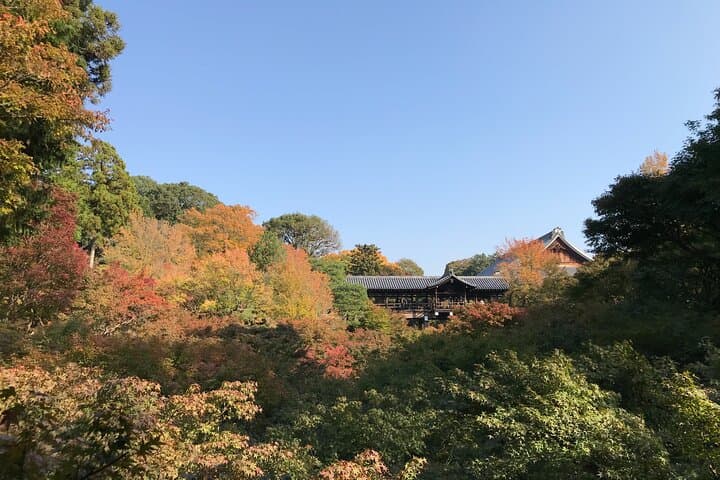
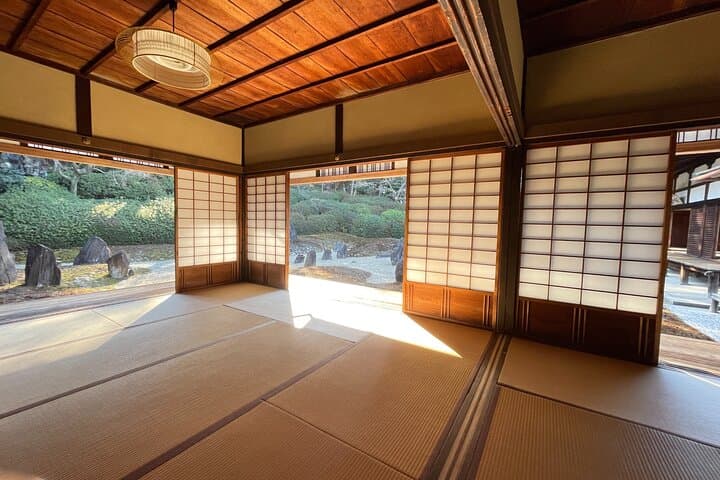
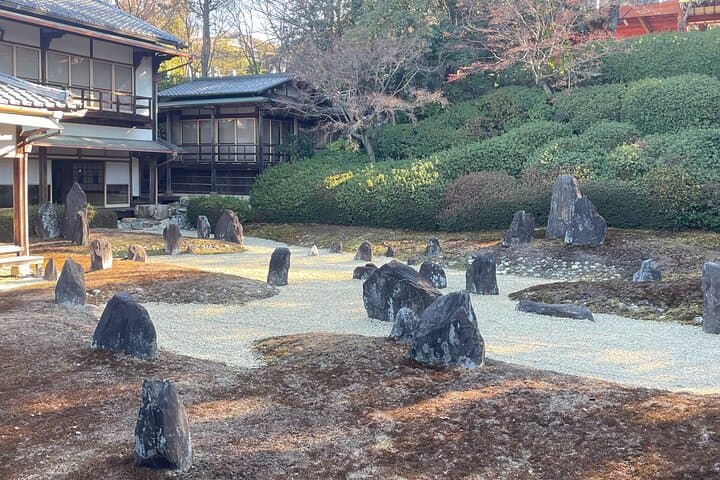
You step away from the buzz of Kyoto Station and into a quiet world of cedar shade and stone lanterns. The path leads from Tofukuji’s wooden bridge across a valley of maples, into a small, private Zen sub-temple where raked gravel and moss take on a voice of their own—calm, exacting, and oddly alive.
You step away from the buzz of Kyoto Station and into a quiet world of cedar shade and stone lanterns. The path leads from Tofukuji’s wooden bridge across a valley of maples, into a small, private Zen sub-temple where raked gravel and moss take on a voice of their own—calm, exacting, and oddly alive.
This four-hour walk folds together two threads of Kyoto’s past: the austere Zen traditions practiced at Tofukuji (a major temple complex founded in the 13th century) and the older rice-and-prosperity cult of Fushimi Inari, whose shrine at the base of Mount Inari dates back to the 8th century. The mountain itself is low and wooded—granite outcrops and shrubby ridgelines that frame the city—while the thousands of vermilion torii are donations that map centuries of commerce and faith.
Guides explain garden design, Zen meditation basics, and the meaning behind fox statues and shrine offerings, while steering you toward quieter gates, secluded shrines like Kumataka, and the Yotsuji crossroad viewpoint where the city unfolds below. Expect narrow trails, stone steps, and occasional steep pitches as you ascend.
Practical notes: the tour runs rain or shine and requires moderate fitness—comfortable walking shoes, a light rain jacket, and water are essential. Visit early to dodge crowds and capture better light; be respectful inside temple grounds, remove hats where indicated, and keep voices low. This route balances cultural immersion with gentle exertion—perfect for travelers who want calm discovery rather than a checklist of photo ops.