THE ADVENTURE COLLECTIVE® · Independent discovery and booking for outdoor travel

Trade city buses for a scooter and spend five hours tracing quiet roads to the headwaters of the Kamogawa. Small-group guidance, scooter and helmet included, and a mix of rural views and cultural stops make this a practical, adventurous half-day trip.
Trade city buses for a scooter and spend five hours tracing quiet roads to the headwaters of the Kamogawa. Small-group guidance, scooter and helmet included, and a mix of rural views and cultural stops make this a practical, adventurous half-day trip.
You ease a helmet into place, the scooter answering with a soft throttle, and the city’s stone façades give way to ribbon-like roads threading rice paddies and cedar copses.
Verified experiences and guided adventures in the surrounding area.
Operated by Kyoto scooter tour ROUJIYA · Kyoto, Kyoto Prefecture
You ease a helmet into place, the scooter answering with a soft throttle, and the city’s stone façades give way to ribbon-like roads threading rice paddies and cedar copses.
This five-hour loop moves out of central Kyoto toward the headwaters of the Kamogawa—places public transport rarely reaches—passing low shrines, wooden farmhouses, and irrigation channels etched into volcanic and alluvial soils. The landscape is the result of tectonics and centuries of cultivation: terraces and canals shaped by human hands, hills smoothed by older volcanic ash. Local culture shows in roadside tea stalls, lantern-marked turns to small Shinto shrines, and farmers tending narrow plots.
Expect short stretches of quiet country pavement, occasional narrow lanes, and brief stops at viewpoints or a village tea room. The guide, a Kyoto native with decades of local knowledge, shares seasonal highlights and discreet, off-the-beaten-path detours.
Practical detail: the tour is five hours, limited to small groups (max four), and includes scooter rental, helmet, and insurance. Riders must present an international driving permit or appropriate license and should have prior scooter experience. Start early to avoid midafternoon farm traffic and rain showers; spring mornings are cool and vivid, while summer can be hot and humid. Dress in layered, breathable clothing, bring water and a phone with local SIM or roaming, and leave large backpacks behind—small daypacks are best. This ride is a pragmatic way to cover rural ground, meet local people, and see parts of Kyoto that feel like they belong to another time.
easy.
5 hours.
Suitable for most fitness levels; basic balance and prior scooter experience recommended
Yes — you must present an international driving permit or a license accepted by Japanese authorities; organizers check licenses before departure.
Riders should have basic scooter experience and confidence handling a vehicle on narrow rural roads; the guide can advise less experienced riders but reserves the right to refuse for safety.
The tour operator may cancel in poor weather; the listing notes cancellations for bad weather and insufficient travelers and the policy states all sales are final.
This is a small-group experience, with a maximum of four travelers per shared tour for a more personalized route and easier maneuvering on country lanes.
The Kyoto countryside has long been organized around small rice plots and local shrines; many village lanes follow routes used for centuries connecting hamlets to temple towns.
Respect rice fields and private land—stay on public roads and paths. Use minimal plastic and dispose of waste in town receptacles to reduce impact.
Kyoto scooter tour ROUJIYA operates guided outdoor trips and adventures with an emphasis on safety, stewardship, and memorable experiences.
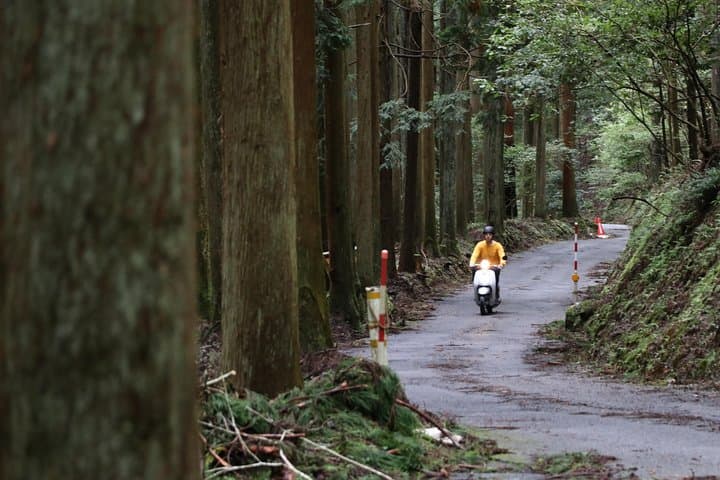
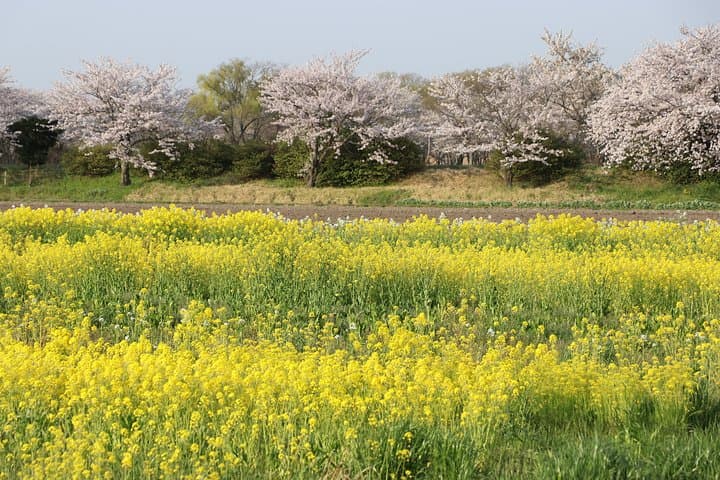
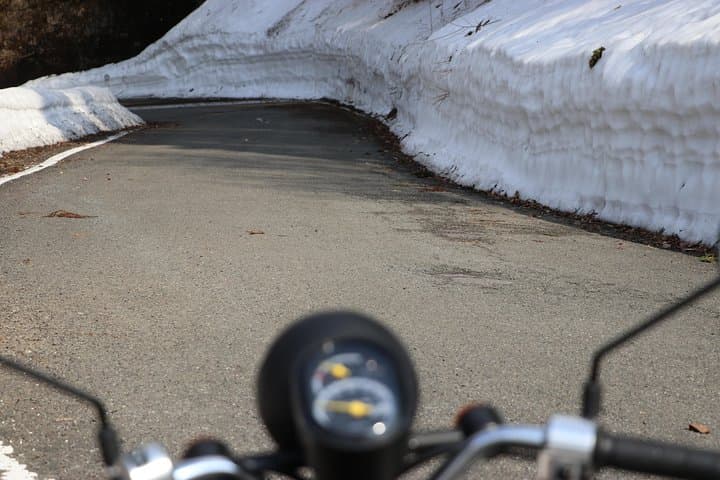
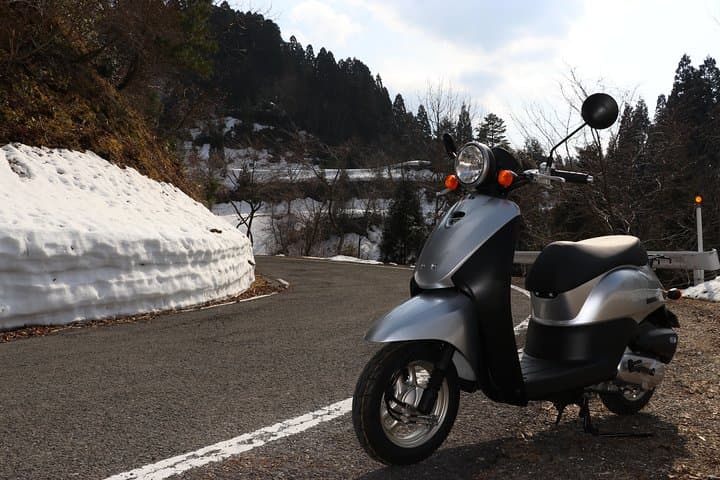
You ease a helmet into place, the scooter answering with a soft throttle, and the city’s stone façades give way to ribbon-like roads threading rice paddies and cedar copses.
You ease a helmet into place, the scooter answering with a soft throttle, and the city’s stone façades give way to ribbon-like roads threading rice paddies and cedar copses.
This five-hour loop moves out of central Kyoto toward the headwaters of the Kamogawa—places public transport rarely reaches—passing low shrines, wooden farmhouses, and irrigation channels etched into volcanic and alluvial soils. The landscape is the result of tectonics and centuries of cultivation: terraces and canals shaped by human hands, hills smoothed by older volcanic ash. Local culture shows in roadside tea stalls, lantern-marked turns to small Shinto shrines, and farmers tending narrow plots.
Expect short stretches of quiet country pavement, occasional narrow lanes, and brief stops at viewpoints or a village tea room. The guide, a Kyoto native with decades of local knowledge, shares seasonal highlights and discreet, off-the-beaten-path detours.
Practical detail: the tour is five hours, limited to small groups (max four), and includes scooter rental, helmet, and insurance. Riders must present an international driving permit or appropriate license and should have prior scooter experience. Start early to avoid midafternoon farm traffic and rain showers; spring mornings are cool and vivid, while summer can be hot and humid. Dress in layered, breathable clothing, bring water and a phone with local SIM or roaming, and leave large backpacks behind—small daypacks are best. This ride is a pragmatic way to cover rural ground, meet local people, and see parts of Kyoto that feel like they belong to another time.