THE ADVENTURE COLLECTIVE® · Independent discovery and booking for outdoor travel

Customize your own half‑day in Kumamoto with an English‑speaking guide who builds an itinerary around your interests—choose gardens, castle grounds, historic residences, or local food stops. Ideal for travelers who want city depth without the fixed schedule.
Customize your own half‑day in Kumamoto with an English‑speaking guide who builds an itinerary around your interests—choose gardens, castle grounds, historic residences, or local food stops. Ideal for travelers who want city depth without the fixed schedule.
You step off the tram and the city opens—stone lanes and broad boulevards leading toward the squat silhouette of Kumamoto Castle, its ramparts watching over the city like an old guard.
Verified experiences and guided adventures in the surrounding area.
Operated by Japan Awaits · Kumamoto, Kumamoto Prefecture
You step off the tram and the city opens—stone lanes and broad boulevards leading toward the squat silhouette of Kumamoto Castle, its ramparts watching over the city like an old guard.
This private, customizable half-day tour hands you the map but lets the guide choose the pace: stroll a 17th‑century strolling garden where koi patrol the ponds, pass samurai-era residences with lacquered eaves, or detour into lively shopping arcades for local snacks. Kumamoto’s story is visible in layers — the Hosokawa clan’s legacy in the castle and former residences, the garden design influenced by volcanic soils from nearby Mt. Aso, and modern city life rebuilding after the 2016 earthquakes.
Geology and water shape the experience here: ponds reflect the low hills, and terraces show the city’s relationship with nearby volcanic landscapes. Culture arrives in small details — calligraphy shops, shōchū bars, and temple bells — and your guide will connect those details to local history and seasonal rhythms.
Practical guidance: plan on 3–4 hours of mixed walking and short vehicle transfers within the city; choose three stops when booking and specify mobility limits. Wear stable shoes for castle grounds and garden paths, bring a water bottle, and allow time for reservations if you want museum or tea‑ceremony visits included. Book at least a month out for restaurant reservations; for last‑minute travel expect limited options. Whether you pick architecture, gardens, or food, this flexible format lets you walk Kumamoto on your terms.
moderate.
3–4 hours.
Moderate: comfortable walking 3–5 miles with short periods of standing and some stairs; not strenuous but active.
Yes — you pick three stops from museums, gardens, castle grounds, markets, or neighborhoods; some paid attractions may require extra entry fees or advance reservations.
Yes, hotel pickup and drop‑off within Kumamoto city are included; confirm your pickup point on the post‑booking form at least 7 days before the tour.
Expect moderate walking and some stair climbing—suitable for travelers who can manage several short walks totaling a few miles with rest breaks.
This listing provides an English‑speaking professional guide; other languages may be possible on request but should be arranged well in advance.
Kumamoto developed under the Hosokawa clan in the Edo period; Kumamoto Castle is a focal point of that legacy and sustained major reconstruction after the 2016 earthquakes.
Restoration of historic structures and careful garden maintenance are ongoing; visitors are asked to follow pathways, avoid feeding wildlife, and support local conservation-minded businesses.
Japan Awaits operates guided outdoor trips and adventures with an emphasis on safety, stewardship, and memorable experiences.
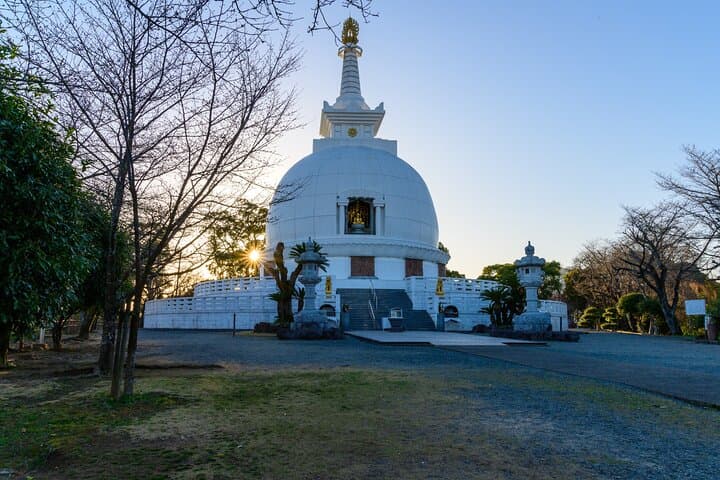


You step off the tram and the city opens—stone lanes and broad boulevards leading toward the squat silhouette of Kumamoto Castle, its ramparts watching over the city like an old guard.
You step off the tram and the city opens—stone lanes and broad boulevards leading toward the squat silhouette of Kumamoto Castle, its ramparts watching over the city like an old guard.
This private, customizable half-day tour hands you the map but lets the guide choose the pace: stroll a 17th‑century strolling garden where koi patrol the ponds, pass samurai-era residences with lacquered eaves, or detour into lively shopping arcades for local snacks. Kumamoto’s story is visible in layers — the Hosokawa clan’s legacy in the castle and former residences, the garden design influenced by volcanic soils from nearby Mt. Aso, and modern city life rebuilding after the 2016 earthquakes.
Geology and water shape the experience here: ponds reflect the low hills, and terraces show the city’s relationship with nearby volcanic landscapes. Culture arrives in small details — calligraphy shops, shōchū bars, and temple bells — and your guide will connect those details to local history and seasonal rhythms.
Practical guidance: plan on 3–4 hours of mixed walking and short vehicle transfers within the city; choose three stops when booking and specify mobility limits. Wear stable shoes for castle grounds and garden paths, bring a water bottle, and allow time for reservations if you want museum or tea‑ceremony visits included. Book at least a month out for restaurant reservations; for last‑minute travel expect limited options. Whether you pick architecture, gardens, or food, this flexible format lets you walk Kumamoto on your terms.