THE ADVENTURE COLLECTIVE® · Independent discovery and booking for outdoor travel

Spend a half‑day wandering Kuala Lumpur’s Lake Gardens: a large free‑flight bird aviary, an expansive butterfly garden, and a one‑hectare orchid collection. Expect vivid wildlife encounters, shady paths, and practical accessibility for most visitors.
Spend a half‑day wandering Kuala Lumpur’s Lake Gardens: a large free‑flight bird aviary, an expansive butterfly garden, and a one‑hectare orchid collection. Expect vivid wildlife encounters, shady paths, and practical accessibility for most visitors.
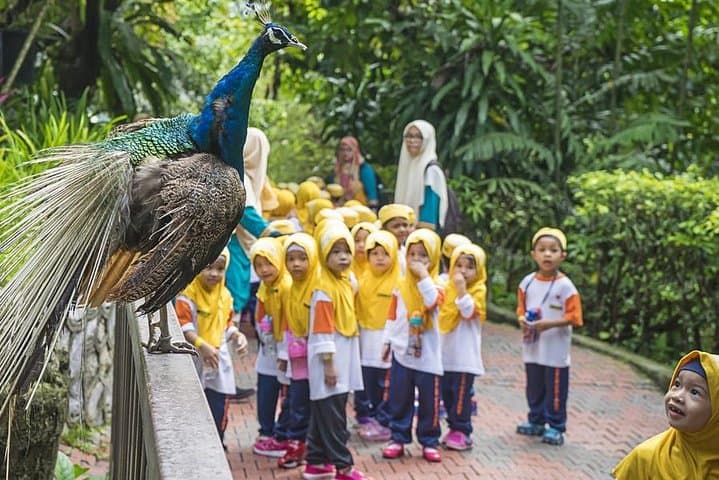
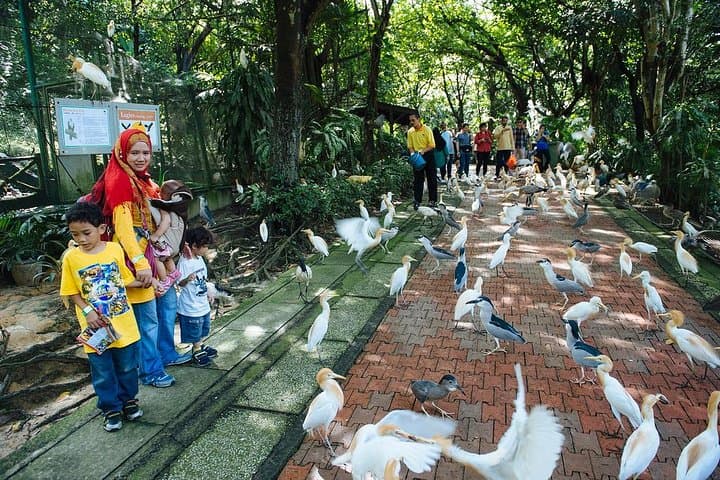
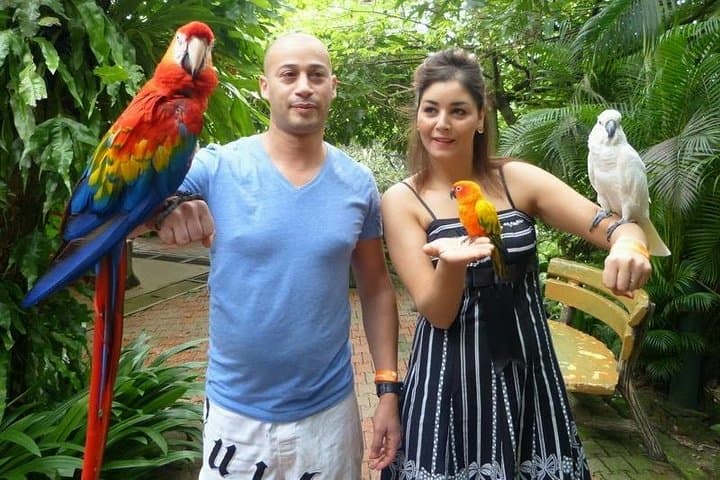
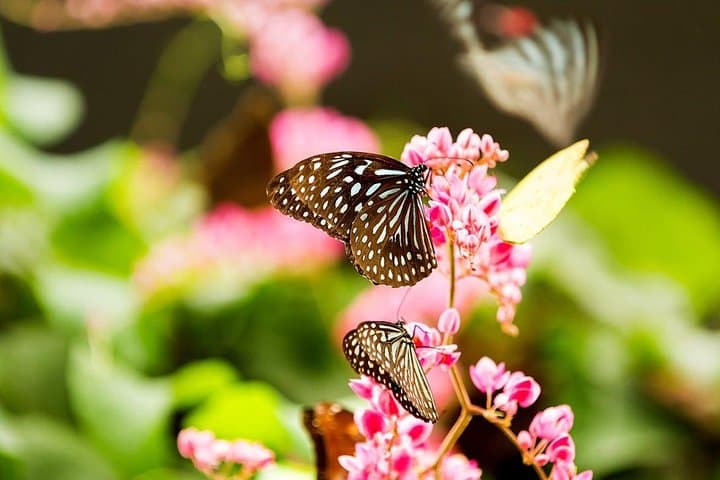
You step through a broad, green gateway and sound falls away—only wingbeats and the soft rustle of leaves accompany you. In the walk‑in aviary, parrots and hornbills move with casual authority while sunlight filters through high mesh, painting the paths in gold. A few minutes farther, butterflies drift like living punctuation among orchids and ferns, and the air tastes of wet earth and floral nectar.
Verified experiences and guided adventures in the surrounding area.
Operated by RIYAS TRAVEL MALAYSIA · Kuala Lumpur, Kuala Lumpur
You step through a broad, green gateway and sound falls away—only wingbeats and the soft rustle of leaves accompany you. In the walk‑in aviary, parrots and hornbills move with casual authority while sunlight filters through high mesh, painting the paths in gold. A few minutes farther, butterflies drift like living punctuation among orchids and ferns, and the air tastes of wet earth and floral nectar.
The route threads through KL’s Lake Gardens, a long‑standing municipal park reworked in the 20th century as a public green space. The Bird Park occupies roughly 20.9 acres and hosts about 3,000 birds of nearly 200 species across free‑flight zones and smaller aviaries; the Butterfly Park covers roughly 80,000 sq ft with some 5,000 live butterflies; the Taman Orkid cultivates over 800 orchid varieties on about one hectare.
Culturally, these gardens reflect Malaysia’s tropical biodiversity and the city’s colonial‑era push to create public botanical collections for education and leisure. Geologically, the low, undulating terrain of the Lake Gardens sits on Klang Valley alluvial soils, feeding humid microclimates favorable to orchids and mangrove‑origin species.
Practical guidance: allow about 3–4 hours for a relaxed visit—three 45‑minute stops are suggested. Mornings are cooler and more active for birds; late afternoons bring more butterfly activity. Wear breathable, closed‑toe walking shoes, bring water and insect repellent, and leave snacks sealed to avoid attracting wildlife. The route is largely paved and wheelchair accessible; hotel pick‑up/drop‑off and entrance fees are usually included with guided options.
easy.
3–4 hours.
Light walking on mostly paved paths; suitable for most fitness levels
Yes—paths in the main aviary and garden areas are largely paved and wheelchair friendly; some smaller displays may have steps.
This package typically includes all entrance fees and hotel pick‑up/drop‑off—confirm at booking for your pickup location and any optional extras.
Photography is allowed for personal use; tripods may be restricted in busy areas—use a compact camera or monopod if needed.
Early morning offers cooler temperatures and higher bird activity; late afternoon can be good for butterfly displays.
The Lake Gardens and associated conservatories grew through the 20th century as Kuala Lumpur developed public green spaces for recreation and botanical study.
The parks operate as living collections for education and breeding programs; visitors are asked to follow rules that minimize disturbance and prevent the spread of pests or nonnative plants.
RIYAS TRAVEL MALAYSIA operates guided outdoor trips and adventures with an emphasis on safety, stewardship, and memorable experiences.
You step through a broad, green gateway and sound falls away—only wingbeats and the soft rustle of leaves accompany you. In the walk‑in aviary, parrots and hornbills move with casual authority while sunlight filters through high mesh, painting the paths in gold. A few minutes farther, butterflies drift like living punctuation among orchids and ferns, and the air tastes of wet earth and floral nectar.
You step through a broad, green gateway and sound falls away—only wingbeats and the soft rustle of leaves accompany you. In the walk‑in aviary, parrots and hornbills move with casual authority while sunlight filters through high mesh, painting the paths in gold. A few minutes farther, butterflies drift like living punctuation among orchids and ferns, and the air tastes of wet earth and floral nectar.
The route threads through KL’s Lake Gardens, a long‑standing municipal park reworked in the 20th century as a public green space. The Bird Park occupies roughly 20.9 acres and hosts about 3,000 birds of nearly 200 species across free‑flight zones and smaller aviaries; the Butterfly Park covers roughly 80,000 sq ft with some 5,000 live butterflies; the Taman Orkid cultivates over 800 orchid varieties on about one hectare.
Culturally, these gardens reflect Malaysia’s tropical biodiversity and the city’s colonial‑era push to create public botanical collections for education and leisure. Geologically, the low, undulating terrain of the Lake Gardens sits on Klang Valley alluvial soils, feeding humid microclimates favorable to orchids and mangrove‑origin species.
Practical guidance: allow about 3–4 hours for a relaxed visit—three 45‑minute stops are suggested. Mornings are cooler and more active for birds; late afternoons bring more butterfly activity. Wear breathable, closed‑toe walking shoes, bring water and insect repellent, and leave snacks sealed to avoid attracting wildlife. The route is largely paved and wheelchair accessible; hotel pick‑up/drop‑off and entrance fees are usually included with guided options.