THE ADVENTURE COLLECTIVE® · Independent discovery and booking for outdoor travel

Seven days across Kosovo weave medieval monasteries, Roman ruins, mountain valleys and wine country into a compact cultural and outdoors itinerary. Expect short drives, one or two moderate hikes, and guided visits to UNESCO sites and village markets.
Seven days across Kosovo weave medieval monasteries, Roman ruins, mountain valleys and wine country into a compact cultural and outdoors itinerary. Expect short drives, one or two moderate hikes, and guided visits to UNESCO sites and village markets.
Morning light in Pristina lifts off the square and the tour departs with a short drive into the hills—Gracanica’s white domes catching the sun while the Lepenci and White Drin rivers push through rock and valley. Over seven days the route threads medieval monasteries, Roman ruins, vineyard terraces and rugged mountain passes; the landscape alternates between low, cultivated valleys and peaks of the Accursed Mountains.
Verified experiences and guided adventures in the surrounding area.
Operated by Choose Balkans · Pristina, Pristina District
Morning light in Pristina lifts off the square and the tour departs with a short drive into the hills—Gracanica’s white domes catching the sun while the Lepenci and White Drin rivers push through rock and valley. Over seven days the route threads medieval monasteries, Roman ruins, vineyard terraces and rugged mountain passes; the landscape alternates between low, cultivated valleys and peaks of the Accursed Mountains.
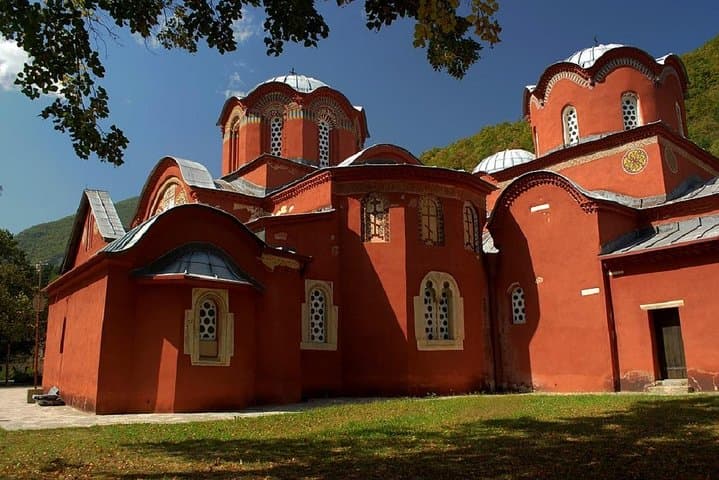
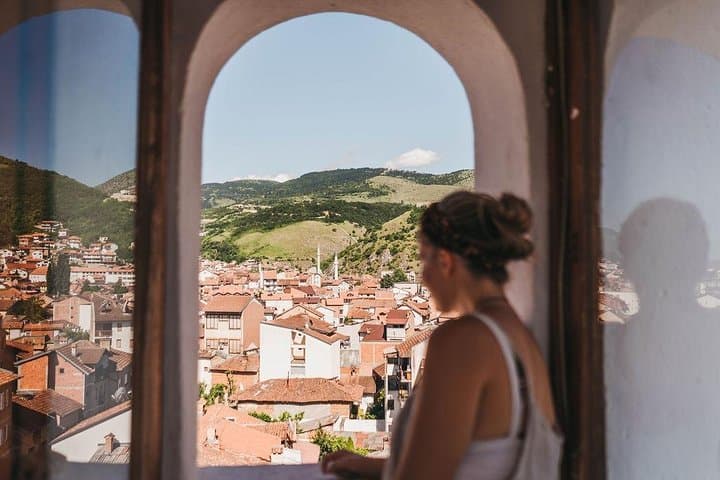
The itinerary stitches together Kosovo’s layered history: Illyrian settlements and Roman Ulpiana, Byzantine and Ottoman architecture in Prizren, and the UNESCO-listed Decan Monastery with 14th‑century frescoes. Geologically, the Sharr and Accursed ranges are young, steep limestone and crystalline cores where glacial valleys and river canyons carve dramatic relief; Rugova Valley drops into narrow gorges and waterfalls fed by high-altitude springs. Culturally, the trip passes lively bazaars and vineyards in Rahovec—grape terraces at 350–520 m—where winemaking stretches back millennia.
Practical guide: expect daily drives of 1–3 hours, one moderate day hike in Prevalla or Rugova (trail surfaces range from dirt tracks to rocky switchbacks), and short village walks. Bring sturdy footwear for uneven terrain, layered clothing for mountain weather, your passport and euros (widely used), and respect dress codes at religious sites (knees/shoulders covered; women may need a headscarf). Hydrate on the move, allow time for altitude shifts in the mountains, and budget free time for lunch and local crafts. The tour balances cultural immersion with straightforward logistics—ideal for travelers who want a compact yet grounded passage through Kosovo’s wild and historic places.
easy.
7 days.
Suitable for travelers in average fitness; able to walk 2–4 miles (3–6 km) on uneven surfaces and manage short hikes with moderate elevation change.
No—daily activities are moderate with mostly short walks and one or two light hikes; the operator notes it’s suitable for all fitness levels.
The euro is widely used in Kosovo for most transactions, though small vendors may prefer cash.
Some site entry tickets are included per itinerary; check the booking details for any specific exclusions before travel.
Visa requirements depend on nationality; travelers should verify entry rules with their embassy well before departure.
Kosovo’s places reflect layers from Illyrian and Roman settlements to Byzantine and Ottoman influences; Decan Monastery is a 14th‑century site listed by UNESCO for its frescoes.
Several areas visited—Rugova Valley and White Drin falls—are protected; practice leave-no-trace and use local guides to minimize impact.
Choose Balkans operates guided outdoor trips and adventures with an emphasis on safety, stewardship, and memorable experiences.
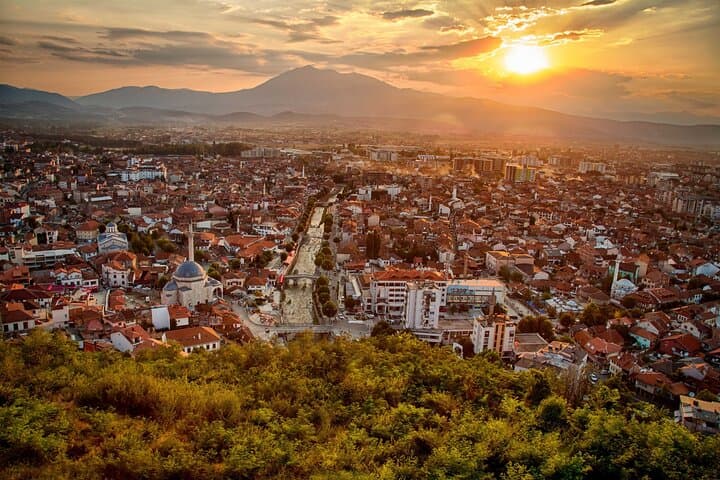
Morning light in Pristina lifts off the square and the tour departs with a short drive into the hills—Gracanica’s white domes catching the sun while the Lepenci and White Drin rivers push through rock and valley. Over seven days the route threads medieval monasteries, Roman ruins, vineyard terraces and rugged mountain passes; the landscape alternates between low, cultivated valleys and peaks of the Accursed Mountains.
Morning light in Pristina lifts off the square and the tour departs with a short drive into the hills—Gracanica’s white domes catching the sun while the Lepenci and White Drin rivers push through rock and valley. Over seven days the route threads medieval monasteries, Roman ruins, vineyard terraces and rugged mountain passes; the landscape alternates between low, cultivated valleys and peaks of the Accursed Mountains.
The itinerary stitches together Kosovo’s layered history: Illyrian settlements and Roman Ulpiana, Byzantine and Ottoman architecture in Prizren, and the UNESCO-listed Decan Monastery with 14th‑century frescoes. Geologically, the Sharr and Accursed ranges are young, steep limestone and crystalline cores where glacial valleys and river canyons carve dramatic relief; Rugova Valley drops into narrow gorges and waterfalls fed by high-altitude springs. Culturally, the trip passes lively bazaars and vineyards in Rahovec—grape terraces at 350–520 m—where winemaking stretches back millennia.
Practical guide: expect daily drives of 1–3 hours, one moderate day hike in Prevalla or Rugova (trail surfaces range from dirt tracks to rocky switchbacks), and short village walks. Bring sturdy footwear for uneven terrain, layered clothing for mountain weather, your passport and euros (widely used), and respect dress codes at religious sites (knees/shoulders covered; women may need a headscarf). Hydrate on the move, allow time for altitude shifts in the mountains, and budget free time for lunch and local crafts. The tour balances cultural immersion with straightforward logistics—ideal for travelers who want a compact yet grounded passage through Kosovo’s wild and historic places.