THE ADVENTURE COLLECTIVE® · Independent discovery and booking for outdoor travel

Trace the footsteps of Westerosi royalty through Dubrovnik’s UNESCO-listed Old Town. This three-hour guided walk combines dramatic wall-top views, a cliff fortress, and optional gardens at Trsteno—the real-world King’s Landing.
Trace the footsteps of Westerosi royalty through Dubrovnik’s UNESCO-listed Old Town. This three-hour guided walk combines dramatic wall-top views, a cliff fortress, and optional gardens at Trsteno—the real-world King’s Landing.
You meet outside Pile Gate as gulls wheel over the Adriatic and the city’s stone teeth—its walls—rise ahead. The guide signals, and the group slips through the western entrance into streets where cobbles still carry echoes of footfalls, swords and camera crews. Walking the same ramps and ramps as actors, you’ll peer down at red tile roofs that became King’s Landing and climb the city walls for a view that flattens time: medieval harbor, fortresses, and the sea beyond.
Verified experiences and guided adventures in the surrounding area.
Operated by Elite Travel LTD · Dubrovnik, Dubrovnik-Neretva County
You meet outside Pile Gate as gulls wheel over the Adriatic and the city’s stone teeth—its walls—rise ahead. The guide signals, and the group slips through the western entrance into streets where cobbles still carry echoes of footfalls, swords and camera crews. Walking the same ramps and ramps as actors, you’ll peer down at red tile roofs that became King’s Landing and climb the city walls for a view that flattens time: medieval harbor, fortresses, and the sea beyond.
Dubrovnik’s walls were built between the 13th and 17th centuries to protect the maritime Republic of Ragusa; Lovrijenac, the cliff-top fort you visit, dates back to the 11th century and was thrown up fast to repel Venetian ambitions. The limestone cliffs and karst coast shape sightlines here—white rock, blue sea, and the deep green of the Arboretum at Trsteno, used as the palace gardens on the show.
Culturally, the Old Town still breathes its maritime past—Rector’s Palace and small chapels tucked into alleys—and modern Dubrovnik balances tourism with local life. Upgrade to Trsteno for gardens, exotic trees and quieter viewpoints.
Practical guidance: the tour lasts about three hours and includes wall and fortress entry; wear sturdy walking shoes, bring sun protection and water, and expect stairs and uneven surfaces. Arrive early to avoid cruise-ship crowds and pick an early or late timeslot for softer light on the walls. The route is suitable for most fitness levels but involves cobbles and steps; manage valuables and be prepared for narrow, busy alleys. This is an urban walk with big views—part history lesson, part cinematic pilgrimage.
easy.
3 hours.
Suitable for most fitness levels; expect stairs and uneven cobbles—moderate mobility required
Fort Lovrijenac and the city walls entrance are included with most tour options; check your booking for the Trsteno Arboretum upgrade details.
Yes—tour operators list the walk as suitable for all fitness levels, but children and seniors should be prepared for stairs and cobbles.
Expect lengthy sections on uneven cobbles and stone steps, especially while traversing the walls and fortress—comfortable shoes are recommended.
Meeting point is outside Pile Gate at Pile Square; it's possible to join from inside but inform the operator in advance to coordinate meeting logistics.
Dubrovnik was the maritime Republic of Ragusa; its fortifications were expanded across centuries to protect trade and autonomy from Venetian power.
Heavy tourism puts wear on the Old Town and walls—stick to marked routes, avoid graffiti, and support local businesses that practice sustainable tourism.
Elite Travel LTD operates guided outdoor trips and adventures with an emphasis on safety, stewardship, and memorable experiences.

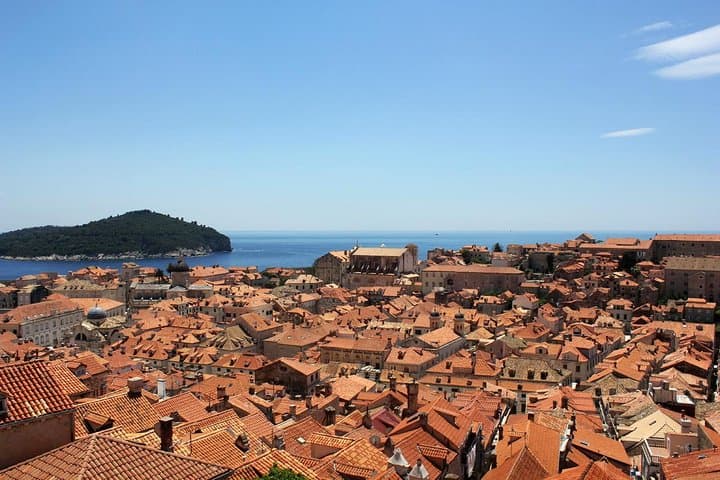
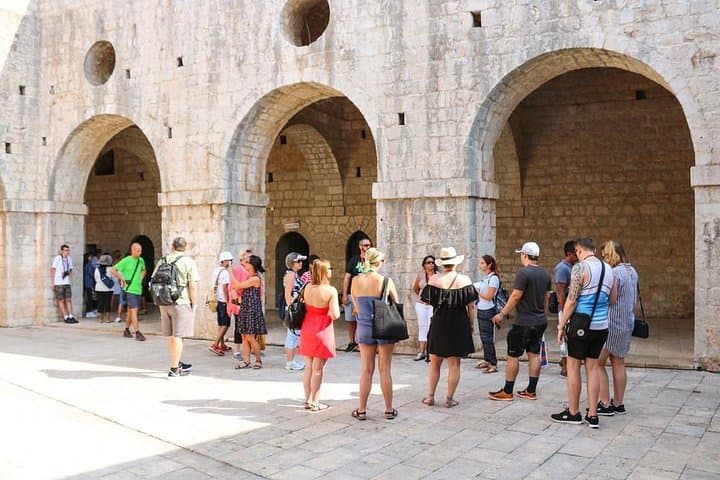
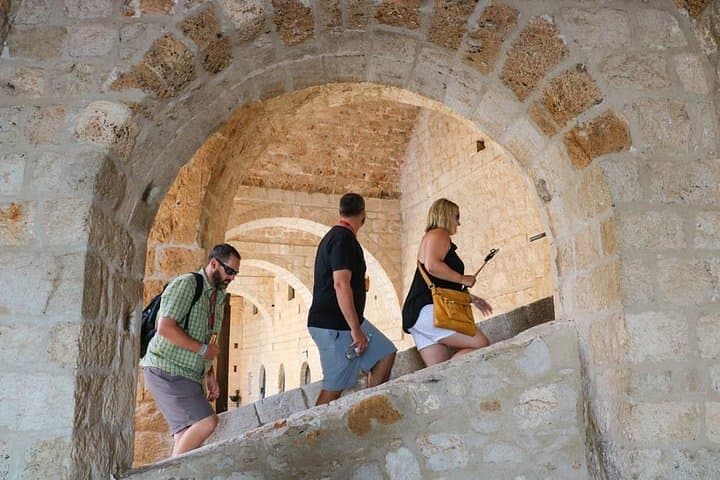
You meet outside Pile Gate as gulls wheel over the Adriatic and the city’s stone teeth—its walls—rise ahead. The guide signals, and the group slips through the western entrance into streets where cobbles still carry echoes of footfalls, swords and camera crews. Walking the same ramps and ramps as actors, you’ll peer down at red tile roofs that became King’s Landing and climb the city walls for a view that flattens time: medieval harbor, fortresses, and the sea beyond.
You meet outside Pile Gate as gulls wheel over the Adriatic and the city’s stone teeth—its walls—rise ahead. The guide signals, and the group slips through the western entrance into streets where cobbles still carry echoes of footfalls, swords and camera crews. Walking the same ramps and ramps as actors, you’ll peer down at red tile roofs that became King’s Landing and climb the city walls for a view that flattens time: medieval harbor, fortresses, and the sea beyond.
Dubrovnik’s walls were built between the 13th and 17th centuries to protect the maritime Republic of Ragusa; Lovrijenac, the cliff-top fort you visit, dates back to the 11th century and was thrown up fast to repel Venetian ambitions. The limestone cliffs and karst coast shape sightlines here—white rock, blue sea, and the deep green of the Arboretum at Trsteno, used as the palace gardens on the show.
Culturally, the Old Town still breathes its maritime past—Rector’s Palace and small chapels tucked into alleys—and modern Dubrovnik balances tourism with local life. Upgrade to Trsteno for gardens, exotic trees and quieter viewpoints.
Practical guidance: the tour lasts about three hours and includes wall and fortress entry; wear sturdy walking shoes, bring sun protection and water, and expect stairs and uneven surfaces. Arrive early to avoid cruise-ship crowds and pick an early or late timeslot for softer light on the walls. The route is suitable for most fitness levels but involves cobbles and steps; manage valuables and be prepared for narrow, busy alleys. This is an urban walk with big views—part history lesson, part cinematic pilgrimage.