THE ADVENTURE COLLECTIVE® · Independent discovery and booking for outdoor travel

Spend a day on one of Kenya’s oldest tea estates—tour the fields, watch processing demonstrations, and taste freshly brewed teas alongside a farm-cooked lunch. This guided day trip from Nairobi blends agricultural history with hands-on tasting.
Spend a day on one of Kenya’s oldest tea estates—tour the fields, watch processing demonstrations, and taste freshly brewed teas alongside a farm-cooked lunch. This guided day trip from Nairobi blends agricultural history with hands-on tasting.
A wind runs across the tea terraces at Kiambethu, fingers of green leaves folding and unfolding as guides lead small groups down narrow service tracks. The farm sits on gentle slopes above Limuru, and on a clear day the views stretch toward the highlands that feed Nairobi’s water supply, while tea workers move with practiced rhythm among the rows.
Verified experiences and guided adventures in the surrounding area.
A wind runs across the tea terraces at Kiambethu, fingers of green leaves folding and unfolding as guides lead small groups down narrow service tracks. The farm sits on gentle slopes above Limuru, and on a clear day the views stretch toward the highlands that feed Nairobi’s water supply, while tea workers move with practiced rhythm among the rows.
Kiambethu dates to 1910, part of the early commercial tea estates that anchored colonial-era agriculture in central Kenya. The soils here are deep volcanic loams on the slopes of the Aberdare foothills, ideal for orthodox tea. The tour weaves cultural context—how Kenyan tea developed into a global export—and the practical: plucking technique, withering and rolling, and a guided tasting that highlights aroma, brightness and finish.
Expect easy walking across uneven farm tracks, close-up contact with production areas, and a three-course farm lunch served on-site. The tasting is led by an expert who explains cultivar differences and processing choices, making it useful for both casual drinkers and tea enthusiasts.
Practical guidance: allow 5–7 hours including hotel transfer from Nairobi, wear sturdy shoes and a light waterproof (weather is changeable at elevation), and bring sun protection and a camera. There’s limited shade between rows and soft, damp soil after rain, so traction and layered clothing matter. Respect farm operations: stay on paths, ask before photographing workers, and buy tea at the farm shop to support local producers.
easy.
5–7 hours.
Light fitness—able to walk 1–3 miles on uneven farm tracks and stand for demonstrations and tastings.
Yes—this private day tour includes pickup and drop-off from Nairobi hotels as part of the standard itinerary.
Yes—the tour includes a three-course farm lunch served on-site, often featuring local produce.
Expect 1–3 miles of walking on uneven farm tracks and short standing demonstrations in processing areas.
Access is limited—terraced fields and narrow service paths make full accessibility difficult; contact the operator to discuss specific needs.
Kiambethu was established in 1910 and played a role in Kenya’s early commercial tea industry, reflecting colonial-era estate agriculture and later local ownership shifts.
Many estates practice soil conservation and reforestation on steep slopes; visitors can help by staying on paths and purchasing farm-grown tea to support sustainable livelihoods.
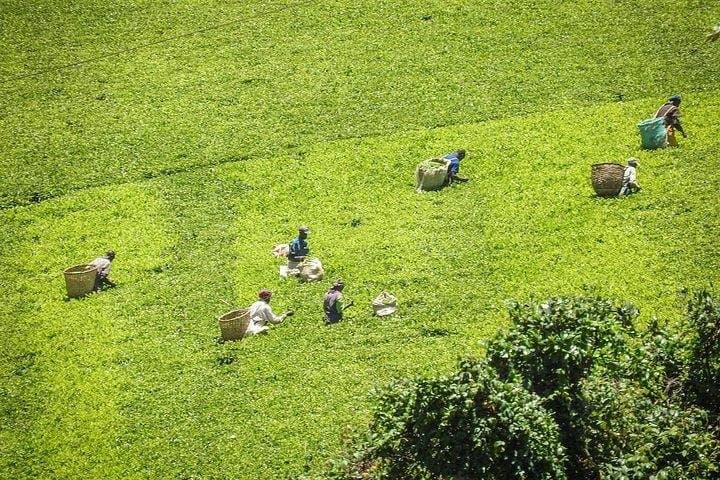
A wind runs across the tea terraces at Kiambethu, fingers of green leaves folding and unfolding as guides lead small groups down narrow service tracks. The farm sits on gentle slopes above Limuru, and on a clear day the views stretch toward the highlands that feed Nairobi’s water supply, while tea workers move with practiced rhythm among the rows.
A wind runs across the tea terraces at Kiambethu, fingers of green leaves folding and unfolding as guides lead small groups down narrow service tracks. The farm sits on gentle slopes above Limuru, and on a clear day the views stretch toward the highlands that feed Nairobi’s water supply, while tea workers move with practiced rhythm among the rows.
Kiambethu dates to 1910, part of the early commercial tea estates that anchored colonial-era agriculture in central Kenya. The soils here are deep volcanic loams on the slopes of the Aberdare foothills, ideal for orthodox tea. The tour weaves cultural context—how Kenyan tea developed into a global export—and the practical: plucking technique, withering and rolling, and a guided tasting that highlights aroma, brightness and finish.
Expect easy walking across uneven farm tracks, close-up contact with production areas, and a three-course farm lunch served on-site. The tasting is led by an expert who explains cultivar differences and processing choices, making it useful for both casual drinkers and tea enthusiasts.
Practical guidance: allow 5–7 hours including hotel transfer from Nairobi, wear sturdy shoes and a light waterproof (weather is changeable at elevation), and bring sun protection and a camera. There’s limited shade between rows and soft, damp soil after rain, so traction and layered clothing matter. Respect farm operations: stay on paths, ask before photographing workers, and buy tea at the farm shop to support local producers.