THE ADVENTURE COLLECTIVE® · Independent discovery and booking for outdoor travel

Walk the lanes of Ichan Kala with an expert guide and see Khiva’s wooden columns, turquoise minarets, and restored palaces while learning Silk Road history. This full‑day guided tour balances archaeology, architecture, and practical local insight.
Walk the lanes of Ichan Kala with an expert guide and see Khiva’s wooden columns, turquoise minarets, and restored palaces while learning Silk Road history. This full‑day guided tour balances archaeology, architecture, and practical local insight.
You step through a low, sunbaked gate and the world narrows to mud-brick alleys and turquoise tile catching the harsh Central Asian light.
Verified experiences and guided adventures in the surrounding area.
Operated by Khiva local guide · Khiva, Xorazm Region
You step through a low, sunbaked gate and the world narrows to mud-brick alleys and turquoise tile catching the harsh Central Asian light.
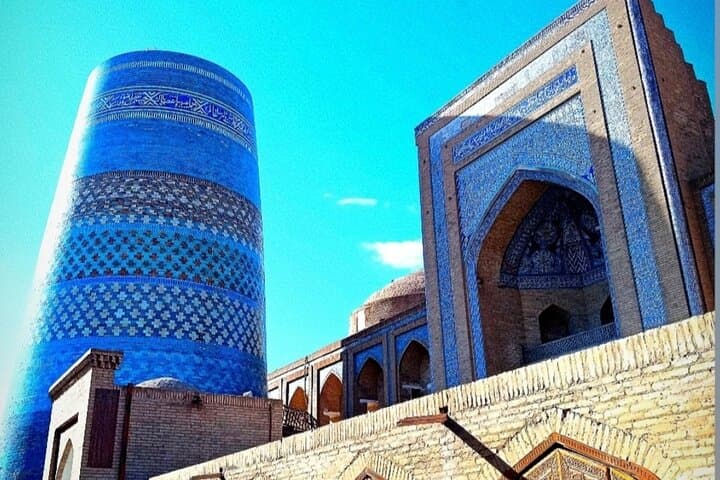
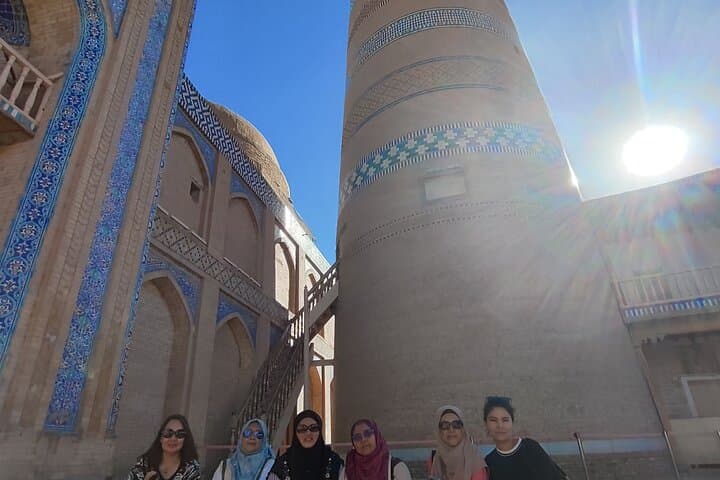
Inside Ichan Kala the air feels curated—wind skimming across the inner fortress, the Kalta Minaret daring photographers to find a new angle, and the carved columns of Juma Mosque counting the hours in shadow and grain. This guided walking tour threads you through Muhammad Amin Khan Madrasa, Kunya Ark, Tash-Khovli, and intimate museums, while a local guide layers dates, dynasties, and daily life onto the stones beneath your feet.
Geology and climate shaped Khiva: sun-baked clay and reed timbers produce the low, thick walls and narrow streets that conserve shade and channel breezes. Culturally, Khiva was a Silk Road hub and the Ichan Kala fortress became a living archive of Khorezm khanate rule; the architecture shows Uzbek craftsmanship and 19th‑century European influences in later palaces.
Practical guidance: expect 6–7 hours with frequent stops—roughly 3–4 km of walking on flagstone, compacted earth, and occasional stairs. Elevation change is negligible but surfaces are uneven; bring supportive shoes. Admission to many sites is included on guided itineraries, but carry small local currency for souvenirs and refreshments. Dress respectfully for mosque interiors and wear sun protection — shade is limited in the open squares.
Timing matters: mornings and late afternoons offer cooler light and thinner crowds. A fluent English-speaking guide will translate inscriptions, point out craftsmanship details, and steer you to the best photo vantage points, making the walled city’s history tangible and navigable.
easy.
6–7 hours.
Suitable for most fitness levels; you should be able to stand and walk for several hours and negotiate a few stairs and uneven surfaces.
The tour runs about 6–7 hours with many stops for interpretation and photos; walking distance is modest (3–4 km) but expect several hours on your feet.
Most guided itineraries include admission inside Ichan Kala and principal monuments, though small private museums may require a minor extra fee—carry local cash just in case.
Many streets are narrow and surfaced with uneven stone; some parts are stroller-friendly with effort, but full wheelchair access is limited—check with the operator for specific accommodations.
Photography is generally allowed in outdoor areas and many monuments, but some interiors or religious spaces may restrict tripods or flash—follow your guide’s directions.
Ichan Kala is a UNESCO World Heritage citadel that preserved Khorezm’s political and cultural core; many structures date from 17th–19th centuries and reflect Silk Road influences.
Preservation of mud-brick structures is ongoing—visitors can help by following pathways, avoiding leaning on fragile carvings, and supporting local guides and conservation-enterprise shops.
Khiva local guide operates guided outdoor trips and adventures with an emphasis on safety, stewardship, and memorable experiences.

You step through a low, sunbaked gate and the world narrows to mud-brick alleys and turquoise tile catching the harsh Central Asian light.
You step through a low, sunbaked gate and the world narrows to mud-brick alleys and turquoise tile catching the harsh Central Asian light.
Inside Ichan Kala the air feels curated—wind skimming across the inner fortress, the Kalta Minaret daring photographers to find a new angle, and the carved columns of Juma Mosque counting the hours in shadow and grain. This guided walking tour threads you through Muhammad Amin Khan Madrasa, Kunya Ark, Tash-Khovli, and intimate museums, while a local guide layers dates, dynasties, and daily life onto the stones beneath your feet.
Geology and climate shaped Khiva: sun-baked clay and reed timbers produce the low, thick walls and narrow streets that conserve shade and channel breezes. Culturally, Khiva was a Silk Road hub and the Ichan Kala fortress became a living archive of Khorezm khanate rule; the architecture shows Uzbek craftsmanship and 19th‑century European influences in later palaces.
Practical guidance: expect 6–7 hours with frequent stops—roughly 3–4 km of walking on flagstone, compacted earth, and occasional stairs. Elevation change is negligible but surfaces are uneven; bring supportive shoes. Admission to many sites is included on guided itineraries, but carry small local currency for souvenirs and refreshments. Dress respectfully for mosque interiors and wear sun protection — shade is limited in the open squares.
Timing matters: mornings and late afternoons offer cooler light and thinner crowds. A fluent English-speaking guide will translate inscriptions, point out craftsmanship details, and steer you to the best photo vantage points, making the walled city’s history tangible and navigable.