THE ADVENTURE COLLECTIVE® · Independent discovery and booking for outdoor travel

Spend a private day moving through Kathmandu’s UNESCO sites with a local guide—Swayambhunath’s hilltop stupa, Patan’s Golden Temple, Pashupatinath’s ghats, and Namo Buddha reveal layered history and living rituals. This guided circuit blends focused walking, cultural context, and logistical ease for first-time visitors.
Spend a private day moving through Kathmandu’s UNESCO sites with a local guide—Swayambhunath’s hilltop stupa, Patan’s Golden Temple, Pashupatinath’s ghats, and Namo Buddha reveal layered history and living rituals. This guided circuit blends focused walking, cultural context, and logistical ease for first-time visitors.
Morning light slices through alleys of carved wood and brick as your private guide meets you at the hotel and the city opens like a living map. You move from the sweep of Swayambhunath’s white dome—where prayer flags snap and monkeys test your composure—to the quiet courtyards of Patan’s Golden Temple, every step threaded with centuries of ritual and craft.
Verified experiences and guided adventures in the surrounding area.
Operated by BARBIL TOURS · Kathmandu, Bagmati Province
Morning light slices through alleys of carved wood and brick as your private guide meets you at the hotel and the city opens like a living map. You move from the sweep of Swayambhunath’s white dome—where prayer flags snap and monkeys test your composure—to the quiet courtyards of Patan’s Golden Temple, every step threaded with centuries of ritual and craft.
Kathmandu Valley is a palimpsest of Newar city-states, layered by historic trade routes and seismic geology: the valley sits in a river basin ringed by ridges formed from tectonic uplift. UNESCO-listed squares and stupas here reflect a shared Hindu and Buddhist cultural history—shrine, monastery, and palace often built side-by-side. The tour highlights Swayambhunath, Boudhanath’s Tibetan vibrancy, Patan’s museum and courtyards, Pashupatinath’s ghats, and Namo Buddha’s hilltop stupa, each with distinct architecture, iconography, and local practice.
Practically, expect 7–8 hours of mostly urban walking, short stair climbs, and time in car between sites. Weather shifts fast: mornings can be clear with startling city views while afternoons bring haze or sudden showers in monsoon season. Bring comfortable footwear for stone courtyards and a respectful dress code—shoulders and knees covered at temples. Cameras are welcome but watch for signs restricting photography in inner sanctums.
A private guide speeds through entry formalities, explains iconography, and points out craftsmen at work—turning a day into a focused, movable museum visit. Plan for hydration, modest bargaining at nearby bazaars, and pockets of quiet time to absorb chanting and bell tones between stops.
easy.
7–8 hours.
Suitable for travelers who can walk several short city blocks and climb stairs; no special fitness required.
Yes; private pickup and drop-off from central Kathmandu hotels are included—confirm your exact pickup point at booking.
Admission is included for listed UNESCO sites on the itinerary, but check with the operator for any optional stops that may charge separate fees.
Many historic courtyards and stupas have steps and uneven terrain; accessibility is limited—contact the operator to discuss specific needs and possible alternatives.
Expect several short walks and stair climbs at each site; the day includes vehicle transfers between locations to minimize continuous walking.
Kathmandu Valley’s plazas and stupas grew from medieval Newar kingdoms and later Tibetan and South Asian influences; many temples date from the Licchavi and Malla periods and reflect centuries of artisan traditions.
High visitor numbers stress fragile wood carvings and painted surfaces—follow pathways, avoid touching artifacts, and support local conservation fees where asked.
BARBIL TOURS operates guided outdoor trips and adventures with an emphasis on safety, stewardship, and memorable experiences.
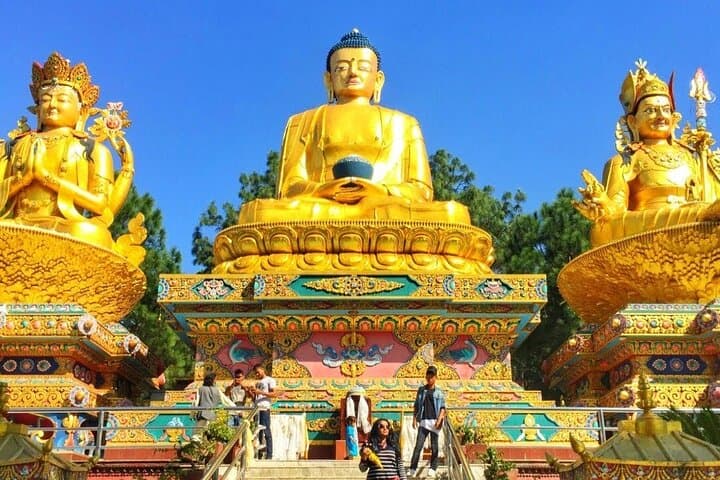
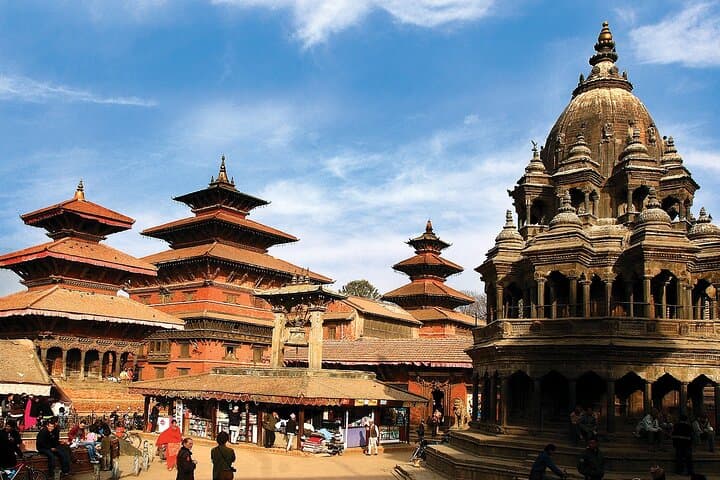
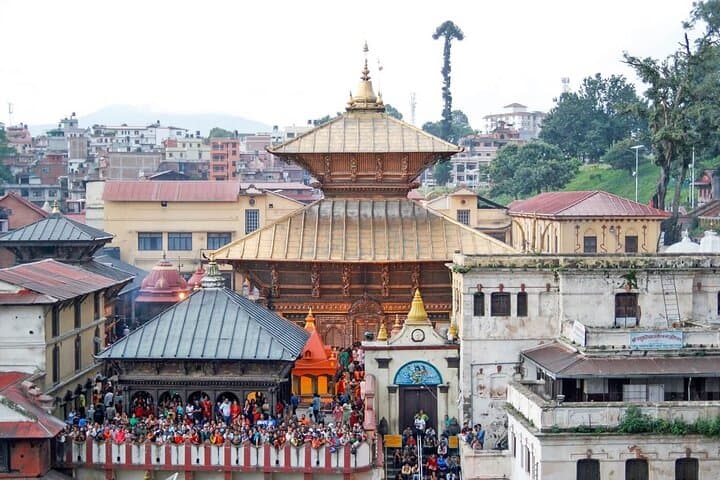
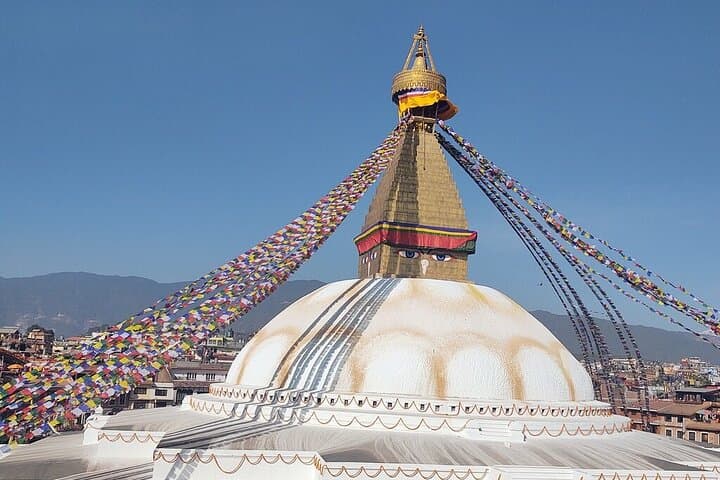
Morning light slices through alleys of carved wood and brick as your private guide meets you at the hotel and the city opens like a living map. You move from the sweep of Swayambhunath’s white dome—where prayer flags snap and monkeys test your composure—to the quiet courtyards of Patan’s Golden Temple, every step threaded with centuries of ritual and craft.
Morning light slices through alleys of carved wood and brick as your private guide meets you at the hotel and the city opens like a living map. You move from the sweep of Swayambhunath’s white dome—where prayer flags snap and monkeys test your composure—to the quiet courtyards of Patan’s Golden Temple, every step threaded with centuries of ritual and craft.
Kathmandu Valley is a palimpsest of Newar city-states, layered by historic trade routes and seismic geology: the valley sits in a river basin ringed by ridges formed from tectonic uplift. UNESCO-listed squares and stupas here reflect a shared Hindu and Buddhist cultural history—shrine, monastery, and palace often built side-by-side. The tour highlights Swayambhunath, Boudhanath’s Tibetan vibrancy, Patan’s museum and courtyards, Pashupatinath’s ghats, and Namo Buddha’s hilltop stupa, each with distinct architecture, iconography, and local practice.
Practically, expect 7–8 hours of mostly urban walking, short stair climbs, and time in car between sites. Weather shifts fast: mornings can be clear with startling city views while afternoons bring haze or sudden showers in monsoon season. Bring comfortable footwear for stone courtyards and a respectful dress code—shoulders and knees covered at temples. Cameras are welcome but watch for signs restricting photography in inner sanctums.
A private guide speeds through entry formalities, explains iconography, and points out craftsmen at work—turning a day into a focused, movable museum visit. Plan for hydration, modest bargaining at nearby bazaars, and pockets of quiet time to absorb chanting and bell tones between stops.