THE ADVENTURE COLLECTIVE® · Independent discovery and booking for outdoor travel

A compact five-day circuit of Kathmandu Valley’s must-see religious and royal sites. Walk through pagoda rooflines, watch rituals at Pashupatinath, and climb Swayambhunath for wide valley views.
A compact five-day circuit of Kathmandu Valley’s must-see religious and royal sites. Walk through pagoda rooflines, watch rituals at Pashupatinath, and climb Swayambhunath for wide valley views.
Stepping from Tribhuvan International Airport into Kathmandu, the city opens like a lived-in map: narrow lanes, saffron flags, and roofs layered in carved timber. The Bagmati threads through the valley, pulling pilgrims and vendors toward its ghats while hills rim the urban basin and keep its weather and light intimate.
Verified experiences and guided adventures in the surrounding area.
Operated by Nepal Social Treks and Expedition · Kathmandu, Bagmati Province
Stepping from Tribhuvan International Airport into Kathmandu, the city opens like a lived-in map: narrow lanes, saffron flags, and roofs layered in carved timber. The Bagmati threads through the valley, pulling pilgrims and vendors toward its ghats while hills rim the urban basin and keep its weather and light intimate.
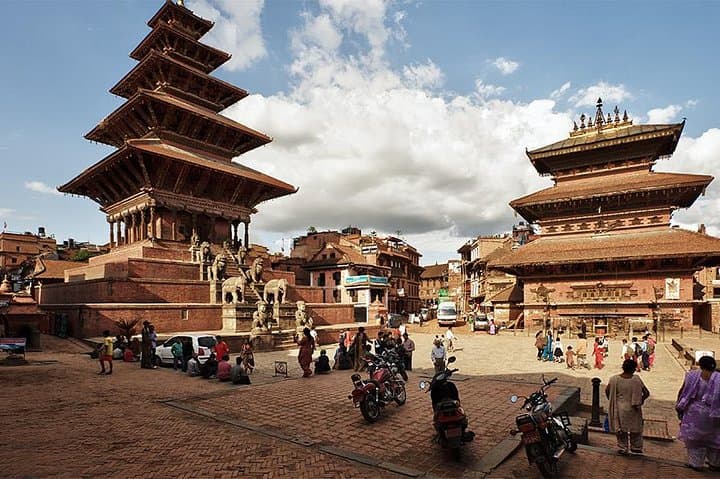
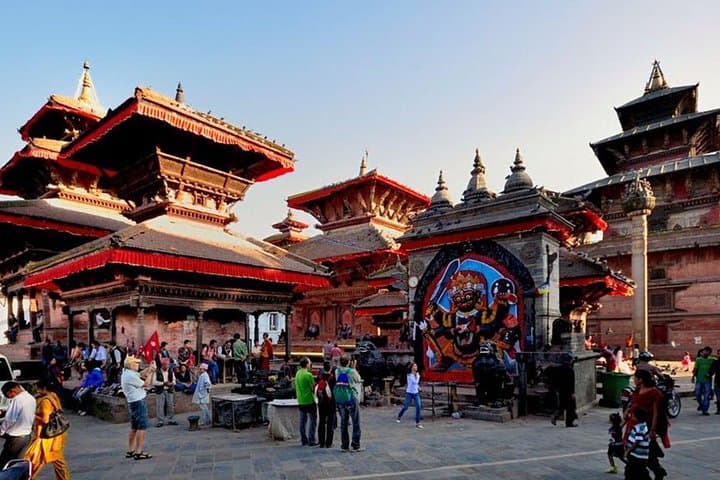
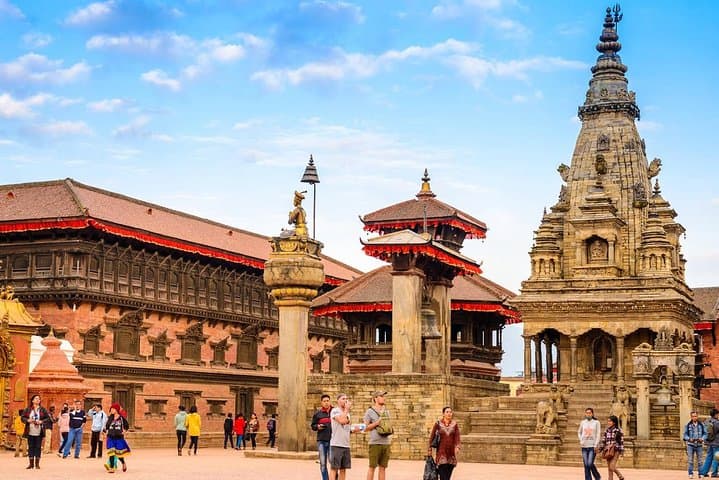
This five-day itinerary moves through Nepal’s most tangible history: Pashupatinath’s cremation ghats and Shiva rites, the whitewashed eyes of the Boudhanath stupa, Swayambhunath’s monkey-guarded terraces, and three Durbar Squares—Kathmandu, Patan and Bhaktapur—where Malla-era pagoda roofs and fine stonework speak to medieval city-states and Newar craftsmanship. Geologically the valley sits on uplifted alluvial plains at about 1,400 m; earthquakes have repeatedly reshaped its monuments, which are now in varying states of repair.
Expect authentic street-level experiences—morning puja smoke, the clack of hand-turned prayer wheels, vendors selling alu paratha and chiya—balanced with periods of quiet observation in monasteries and museums. Local guides illuminate stories of Lichhavi and Malla rulers and explain the syncretic Hindu–Buddhist rituals still practiced daily.
Practical guidance: travel light but bring sturdy walking shoes for stone courtyards and temple steps, modest clothing for religious sites, cash in small denominations for markets, and a daylight schedule that avoids peak traffic. Most days include 4–7 hours of guided sightseeing with hotel transfers; the pace suits travelers comfortable with moderate walking and climbing stairs. Respect temple rules—remove shoes, ask before photographing rituals—and leave time to sit in a courtyard and watch the city move around you.
easy.
5 days (daily 4–7 hours sightseeing).
Light to moderate fitness: able to walk several miles over uneven surfaces and climb stairs.
Most travelers can obtain a tourist visa on arrival at Tribhuvan International Airport; check your nationality’s requirements and current regulations before travel.
Some tours include admission to key sites; verify with your operator—public entry fees are generally modest and paid at ticket counters.
Kathmandu sits around 1,400 m—most visitors acclimate quickly, but if arriving from sea level take it easy your first day.
Photography is usually allowed in public areas, but avoid photographing private rituals or signs that prohibit photos and always ask monks or worshippers first.
Kathmandu Valley was the political and cultural heart of medieval Newar kingdoms (Lichhavi and Malla periods), whose temples and palaces reflect centuries of Hindu–Buddhist syncretism.
Post-earthquake restoration and sustainable tourism efforts focus on traditional materials and limiting traffic around fragile monuments; reduce waste and follow local guidance to help preserve sites.
Nepal Social Treks and Expedition operates guided outdoor trips and adventures with an emphasis on safety, stewardship, and memorable experiences.

Stepping from Tribhuvan International Airport into Kathmandu, the city opens like a lived-in map: narrow lanes, saffron flags, and roofs layered in carved timber. The Bagmati threads through the valley, pulling pilgrims and vendors toward its ghats while hills rim the urban basin and keep its weather and light intimate.
Stepping from Tribhuvan International Airport into Kathmandu, the city opens like a lived-in map: narrow lanes, saffron flags, and roofs layered in carved timber. The Bagmati threads through the valley, pulling pilgrims and vendors toward its ghats while hills rim the urban basin and keep its weather and light intimate.
This five-day itinerary moves through Nepal’s most tangible history: Pashupatinath’s cremation ghats and Shiva rites, the whitewashed eyes of the Boudhanath stupa, Swayambhunath’s monkey-guarded terraces, and three Durbar Squares—Kathmandu, Patan and Bhaktapur—where Malla-era pagoda roofs and fine stonework speak to medieval city-states and Newar craftsmanship. Geologically the valley sits on uplifted alluvial plains at about 1,400 m; earthquakes have repeatedly reshaped its monuments, which are now in varying states of repair.
Expect authentic street-level experiences—morning puja smoke, the clack of hand-turned prayer wheels, vendors selling alu paratha and chiya—balanced with periods of quiet observation in monasteries and museums. Local guides illuminate stories of Lichhavi and Malla rulers and explain the syncretic Hindu–Buddhist rituals still practiced daily.
Practical guidance: travel light but bring sturdy walking shoes for stone courtyards and temple steps, modest clothing for religious sites, cash in small denominations for markets, and a daylight schedule that avoids peak traffic. Most days include 4–7 hours of guided sightseeing with hotel transfers; the pace suits travelers comfortable with moderate walking and climbing stairs. Respect temple rules—remove shoes, ask before photographing rituals—and leave time to sit in a courtyard and watch the city move around you.