THE ADVENTURE COLLECTIVE® · Independent discovery and booking for outdoor travel

Spend a day walking three of Nepal’s most important Durbar squares—Kathmandu, Bhaktapur and Patan—guided by a local expert. This private, door-to-door tour combines accessible short walks with deep cultural context and stops at artisans’ workshops.
Spend a day walking three of Nepal’s most important Durbar squares—Kathmandu, Bhaktapur and Patan—guided by a local expert. This private, door-to-door tour combines accessible short walks with deep cultural context and stops at artisans’ workshops.
Morning light strips across centuries of brick and carved wood as the guide leads the group through a plaza where pigeons swirl and temple bells puncture the air. Cars idle along the periphery while courtyards open like chapters—each one a compact museum of royal life, religion and craft. This full-day private tour moves at a deliberate pace: short walks through Kathmandu’s historic core, a climb to a hilltop stupa for a city-spanning view, then across to Bhaktapur and Patan to study woodcarvers’ lintels and stone courtyards.
Verified experiences and guided adventures in the surrounding area.
Operated by Fewa Trail Treks and Expedition Pvt Ltd · Kathmandu, Bagmati Province
Morning light strips across centuries of brick and carved wood as the guide leads the group through a plaza where pigeons swirl and temple bells puncture the air. Cars idle along the periphery while courtyards open like chapters—each one a compact museum of royal life, religion and craft. This full-day private tour moves at a deliberate pace: short walks through Kathmandu’s historic core, a climb to a hilltop stupa for a city-spanning view, then across to Bhaktapur and Patan to study woodcarvers’ lintels and stone courtyards.
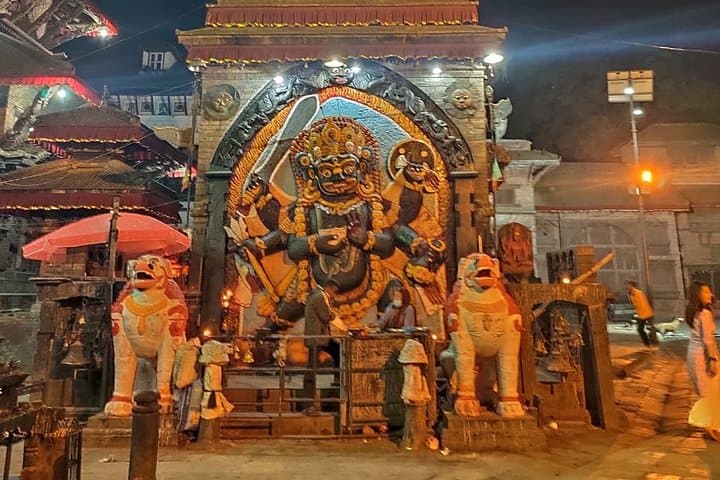
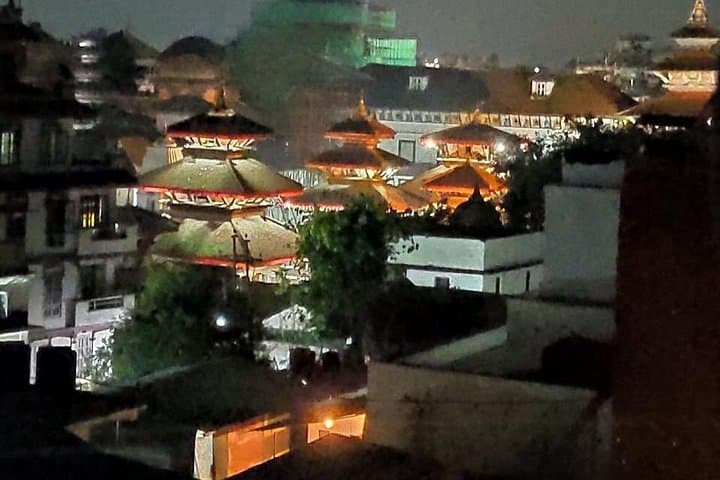
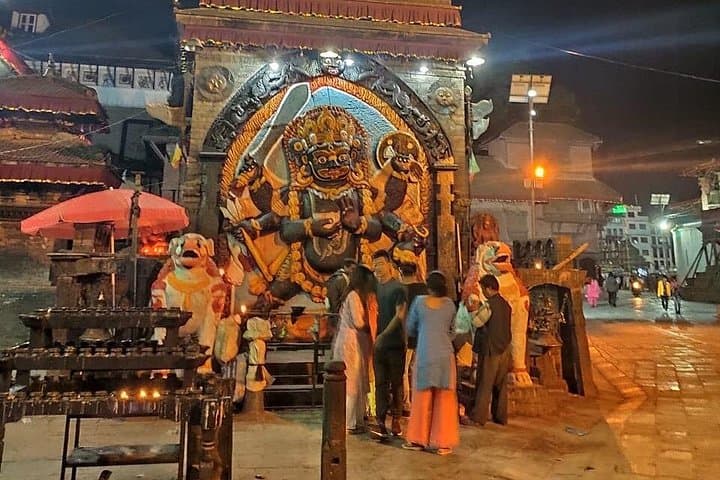
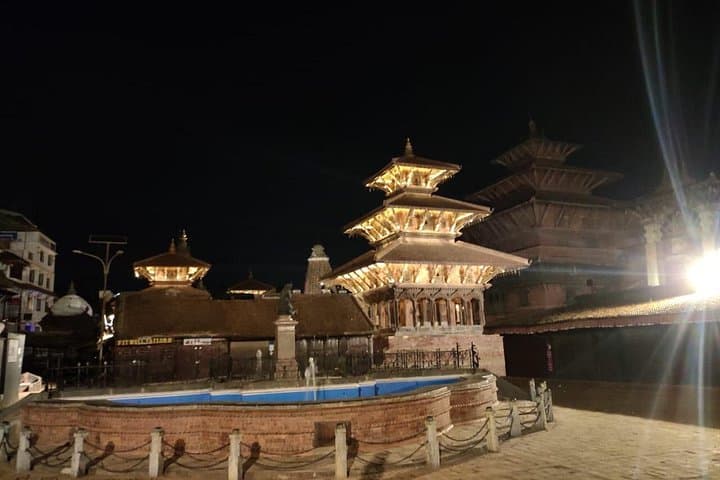
The Kathmandu Valley sits on an ancient lakebed; its fine clay produced the distinctive terracotta bricks and carved timber that define Newar architecture. Kathmandu Durbar Square, Bhaktapur Durbar Square (with its 15th‑century palaces and Pottery Square), and Patan (Lalitpur) each display overlapping Hindu and Buddhist traditions—pagoda roofs, Shikhara temples and bronze mask work—reflecting a cultural continuity shaped by trade, artisan guilds and royal patronage.
Practical notes: expect 7–8 hours with door‑to‑door pickup and a private car; entrance fees are typically not included. Walking is gentle but surfaces are uneven and some sites have steps; elevation in the valley is about 1,300–1,400 m so altitude is negligible but sun exposure is high. Carry water, modest clothing for temple visits, small change for donations or handicraft purchases, and a camera with extra battery. Start early to avoid peak heat and to catch softer light on the plazas. The guide provides historical context and points to local workshops where conservation and traditional skills continue to shape the city’s look and economy.
easy.
7–8 hours.
Suitable for most fitness levels; involves several short walks and some stair climbs, but no technical effort required.
No — most itineraries do not include heritage site entrance fees; bring local currency to pay at each site.
The tour is listed as wheelchair accessible for vehicle transfers, but some historic sites have uneven surfaces and steps—check with the operator for specific access details.
Lunch is typically not included; the tour usually stops at a local restaurant where guests can choose and pay for their meal.
Expect several short walks across squares and courtyards totaling a few kilometers; the day is low-intensity but includes stairs at certain temples.
Kathmandu Valley’s city-states grew on a lakebed; centuries of Newar craftsmanship produced the region’s signature brick-and-wood architecture visible across the Durbar squares.
Many monuments were damaged in the 2015 earthquake and restoration is ongoing; support conservation by following site rules, hiring licensed guides and buying from local artisans.
Fewa Trail Treks and Expedition Pvt Ltd operates guided outdoor trips and adventures with an emphasis on safety, stewardship, and memorable experiences.
Morning light strips across centuries of brick and carved wood as the guide leads the group through a plaza where pigeons swirl and temple bells puncture the air. Cars idle along the periphery while courtyards open like chapters—each one a compact museum of royal life, religion and craft. This full-day private tour moves at a deliberate pace: short walks through Kathmandu’s historic core, a climb to a hilltop stupa for a city-spanning view, then across to Bhaktapur and Patan to study woodcarvers’ lintels and stone courtyards.
Morning light strips across centuries of brick and carved wood as the guide leads the group through a plaza where pigeons swirl and temple bells puncture the air. Cars idle along the periphery while courtyards open like chapters—each one a compact museum of royal life, religion and craft. This full-day private tour moves at a deliberate pace: short walks through Kathmandu’s historic core, a climb to a hilltop stupa for a city-spanning view, then across to Bhaktapur and Patan to study woodcarvers’ lintels and stone courtyards.
The Kathmandu Valley sits on an ancient lakebed; its fine clay produced the distinctive terracotta bricks and carved timber that define Newar architecture. Kathmandu Durbar Square, Bhaktapur Durbar Square (with its 15th‑century palaces and Pottery Square), and Patan (Lalitpur) each display overlapping Hindu and Buddhist traditions—pagoda roofs, Shikhara temples and bronze mask work—reflecting a cultural continuity shaped by trade, artisan guilds and royal patronage.
Practical notes: expect 7–8 hours with door‑to‑door pickup and a private car; entrance fees are typically not included. Walking is gentle but surfaces are uneven and some sites have steps; elevation in the valley is about 1,300–1,400 m so altitude is negligible but sun exposure is high. Carry water, modest clothing for temple visits, small change for donations or handicraft purchases, and a camera with extra battery. Start early to avoid peak heat and to catch softer light on the plazas. The guide provides historical context and points to local workshops where conservation and traditional skills continue to shape the city’s look and economy.