THE ADVENTURE COLLECTIVE® · Independent discovery and booking for outdoor travel

Spend half a day with a private Egyptologist exploring Karnak’s vast hypostyle halls and Luxor’s colossal statues. This guided tour covers history, photo stops, and practical tips for navigating uneven ancient stone and intense sun.
Spend half a day with a private Egyptologist exploring Karnak’s vast hypostyle halls and Luxor’s colossal statues. This guided tour covers history, photo stops, and practical tips for navigating uneven ancient stone and intense sun.
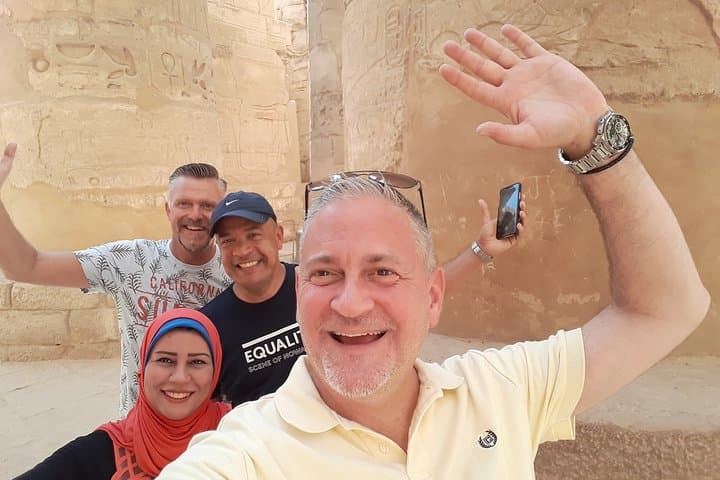
Morning light slices across sandstone columns as a private Egyptologist meets you in your hotel lobby and the Nile, low and steady, dares you toward the city’s oldest stones. Walking through Karnak’s mile of pylons, you move from shadowed hypostyle halls into courts where obelisks pierce the sky—each column a carved chronicle of pharaohs and power.
Verified experiences and guided adventures in the surrounding area.
Operated by Wonders of Egypt Tours · Luxor, Luxor Governorate
Morning light slices across sandstone columns as a private Egyptologist meets you in your hotel lobby and the Nile, low and steady, dares you toward the city’s oldest stones. Walking through Karnak’s mile of pylons, you move from shadowed hypostyle halls into courts where obelisks pierce the sky—each column a carved chronicle of pharaohs and power.
Karnak is not a single temple but a layered complex accumulated over a millennium; its principal builders include Thutmose III and Ramses II. Luxor Temple, built around 1400 BCE and dedicated to the rejuvenation of kingship, sits closer to the modern city and was the ceremonial terminus of the ancient Opet Festival. The bedrock here is Nile sediment and Nile-reworked sandstone, worn smooth in places and sharply detailed in others, with hieroglyphs that still read like a running ledger of ancient rites.
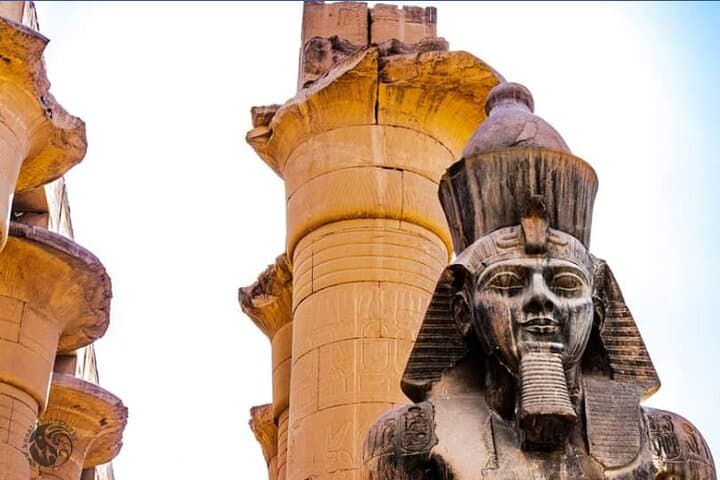
Expect a private, chronological walk: the Sacred Lake and avenue of sphinxes at Karnak, then Luxor’s towering colossi and Ramses II statues. The guide will point out construction phases, restoration work, and best photo angles.
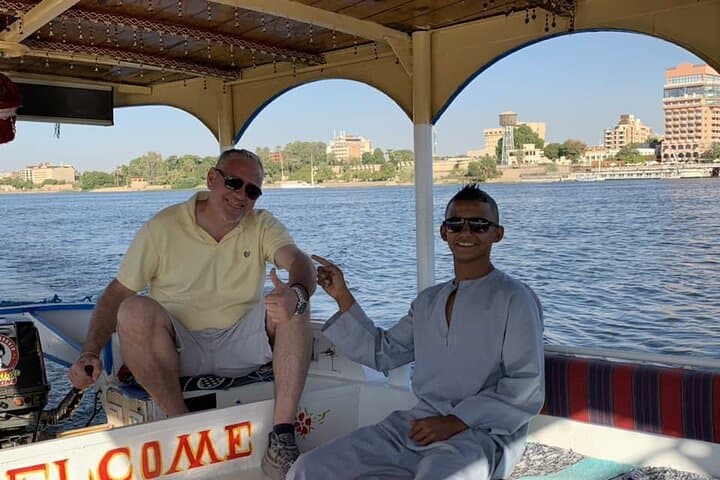
Practicalities: this is a 4–5 hour outing with moderate walking on uneven stone and sand; shade is limited and temperatures can spike. Bring water, sun protection, comfortable shoes, and modest clothing that covers shoulders and knees. Photography is allowed in most areas but respect signage and closures. Plan pickups with your operator and leave ample time for museum visits or a felucca ride afterward if you want more Nile time.
easy.
4–5 hours.
Basic walking fitness; able to stand and walk for several hours on uneven surfaces.
This tour lists admission as included; confirm at booking and carry ID for ticket validation.
The tour is suitable for families but involves uneven ground and steps; request accessibility info and private transport if mobility is limited.
An English-speaking Egyptologist is included with this private tour.
Early morning avoids the worst heat and crowds; late afternoon offers warmer light for photos but similar temperatures in summer.
Karnak accumulated structures over centuries and served as Thebes' religious complex; Luxor Temple functioned as a ceremonial center for royal rejuvenation.
High visitor numbers and erosion challenge fragile reliefs—stay on marked paths, avoid touching carved surfaces, and follow guide instructions to help preserve the monuments.
Wonders of Egypt Tours operates guided outdoor trips and adventures with an emphasis on safety, stewardship, and memorable experiences.
Morning light slices across sandstone columns as a private Egyptologist meets you in your hotel lobby and the Nile, low and steady, dares you toward the city’s oldest stones. Walking through Karnak’s mile of pylons, you move from shadowed hypostyle halls into courts where obelisks pierce the sky—each column a carved chronicle of pharaohs and power.
Morning light slices across sandstone columns as a private Egyptologist meets you in your hotel lobby and the Nile, low and steady, dares you toward the city’s oldest stones. Walking through Karnak’s mile of pylons, you move from shadowed hypostyle halls into courts where obelisks pierce the sky—each column a carved chronicle of pharaohs and power.
Karnak is not a single temple but a layered complex accumulated over a millennium; its principal builders include Thutmose III and Ramses II. Luxor Temple, built around 1400 BCE and dedicated to the rejuvenation of kingship, sits closer to the modern city and was the ceremonial terminus of the ancient Opet Festival. The bedrock here is Nile sediment and Nile-reworked sandstone, worn smooth in places and sharply detailed in others, with hieroglyphs that still read like a running ledger of ancient rites.
Expect a private, chronological walk: the Sacred Lake and avenue of sphinxes at Karnak, then Luxor’s towering colossi and Ramses II statues. The guide will point out construction phases, restoration work, and best photo angles.
Practicalities: this is a 4–5 hour outing with moderate walking on uneven stone and sand; shade is limited and temperatures can spike. Bring water, sun protection, comfortable shoes, and modest clothing that covers shoulders and knees. Photography is allowed in most areas but respect signage and closures. Plan pickups with your operator and leave ample time for museum visits or a felucca ride afterward if you want more Nile time.