THE ADVENTURE COLLECTIVE® · Independent discovery and booking for outdoor travel

A family-friendly private hike up Kalenderberg explores ruins, caves and rocky viewpoints just south of Vienna. Expect varied terrain, karst geology, and local history on a compact loop suitable for most hikers.
A family-friendly private hike up Kalenderberg explores ruins, caves and rocky viewpoints just south of Vienna. Expect varied terrain, karst geology, and local history on a compact loop suitable for most hikers.
You step off the transfer and the air changes—cool, a little resinous, the forest pressing close as the Kalenderberg slopes rise between Mödling and Hinterbrühl. The trail climbs and eases in turns, passing crumbling stonework and weathered romantic villas; a small cave mouth gapes like a secret the mountain is still keeping. Birds call, and the undergrowth brushes your calves as you round a rocky outcrop to a clear view back toward the outskirts of Vienna.
Verified experiences and guided adventures in the surrounding area.
Operated by Wiener Wandern · Hinterbrühl, Lower Austria
You step off the transfer and the air changes—cool, a little resinous, the forest pressing close as the Kalenderberg slopes rise between Mödling and Hinterbrühl. The trail climbs and eases in turns, passing crumbling stonework and weathered romantic villas; a small cave mouth gapes like a secret the mountain is still keeping. Birds call, and the undergrowth brushes your calves as you round a rocky outcrop to a clear view back toward the outskirts of Vienna.
Kalenderberg sits on the southern fringe of the Vienna Woods, a limestone outcrop shaped by Tertiary uplift and later karst processes that left caves and cliffs. In the 19th century the hill became a popular local recreation destination; ruins and embellished houses from the Romantic period remain scattered along its ridgelines. The flora shifts quickly—acidic beech patches give way to sun-baked shrubs on exposed rock—and fauna like roe deer and buzzards are a steady, watchful presence.
On this family-friendly circuit you’ll see caves, rocky peaks and historical buildings in a compact loop; expect uneven surfaces and short steeper pitches requiring sure-footedness. Practicalities: allow 2–4 hours, wear sturdy mountain boots, carry 1–2 liters of water, and layer for sudden weather changes. Winter can require snowshoes or chains; guides will brief you if conditions demand extra kit. Best times are late spring to early autumn for wildflowers and clear views, and early morning to avoid crowded weekend visitors. Stay on marked paths, respect private property, and bring a camera—the Kalenderberg rewards curiosity with unexpected views and quiet historical corners.
moderate.
2–4 hours.
Light to moderate fitness; able to handle uneven surfaces and short climbs without assistance
The route is a compact circuit typically taking 2–4 hours and rated moderate—uneven ground and short steep sections require sure-footedness but no technical climbing.
Yes; the tour is family-friendly but children must be accompanied by an adult and be able to manage uneven trails.
Warm layers, insulated boots, and sometimes snowshoes or vehicle snow chains—operators will advise if extra gear is needed for safety.
Most bookings include round-trip shared transfer from designated Vienna meeting points, or you can reach nearby Mödling/Hinterbrühl by regional train and meet the guide locally.
The hill has been a popular local excursion since the 19th century, leaving behind Romantic-era villas and decorative ruins that dot the route.
Kalenderberg is part of the Vienna Woods recreational landscape—stay on trails, pack out waste, and avoid disturbing fragile karst features and nesting birds.
Wiener Wandern operates guided outdoor trips and adventures with an emphasis on safety, stewardship, and memorable experiences.
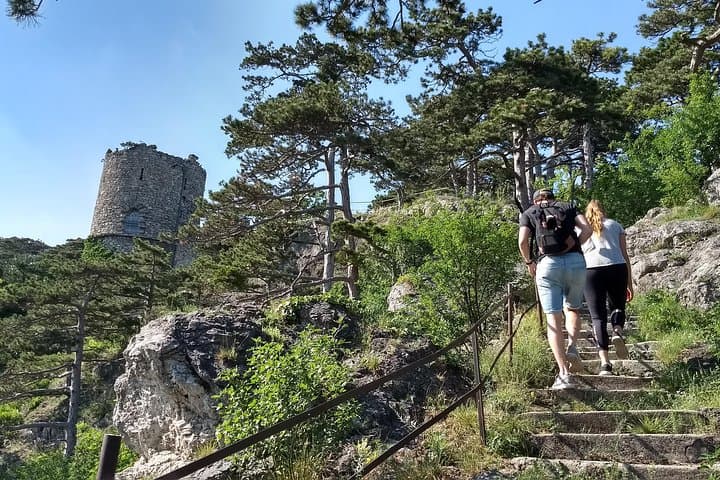
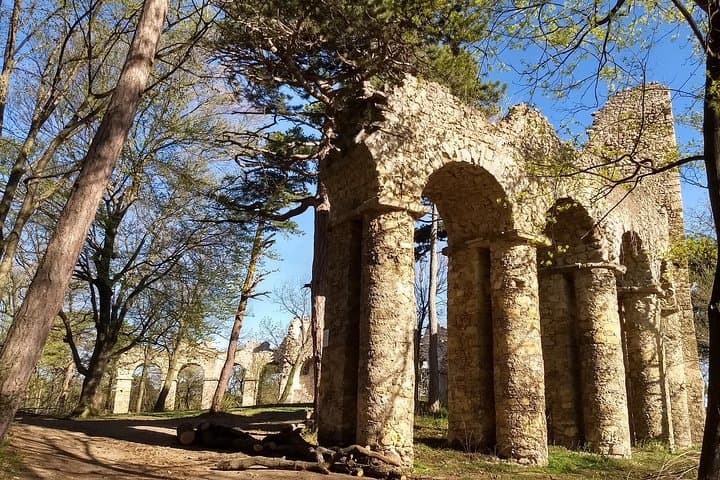
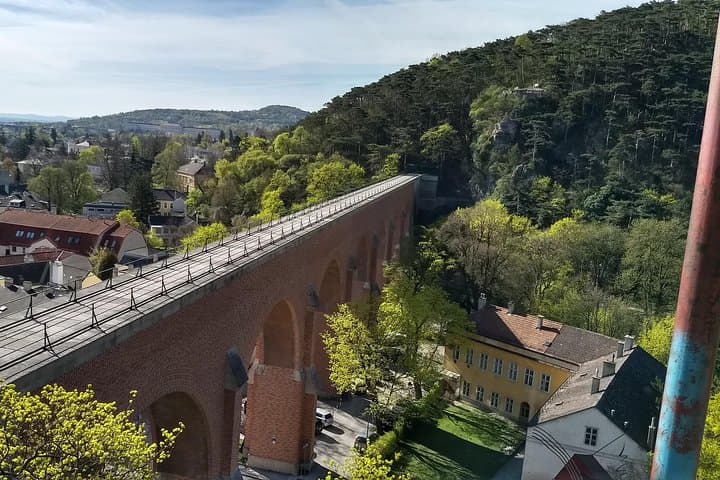
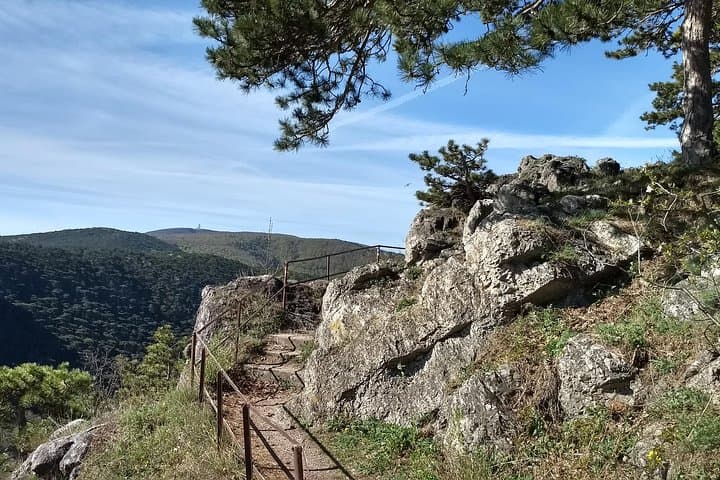
You step off the transfer and the air changes—cool, a little resinous, the forest pressing close as the Kalenderberg slopes rise between Mödling and Hinterbrühl. The trail climbs and eases in turns, passing crumbling stonework and weathered romantic villas; a small cave mouth gapes like a secret the mountain is still keeping. Birds call, and the undergrowth brushes your calves as you round a rocky outcrop to a clear view back toward the outskirts of Vienna.
You step off the transfer and the air changes—cool, a little resinous, the forest pressing close as the Kalenderberg slopes rise between Mödling and Hinterbrühl. The trail climbs and eases in turns, passing crumbling stonework and weathered romantic villas; a small cave mouth gapes like a secret the mountain is still keeping. Birds call, and the undergrowth brushes your calves as you round a rocky outcrop to a clear view back toward the outskirts of Vienna.
Kalenderberg sits on the southern fringe of the Vienna Woods, a limestone outcrop shaped by Tertiary uplift and later karst processes that left caves and cliffs. In the 19th century the hill became a popular local recreation destination; ruins and embellished houses from the Romantic period remain scattered along its ridgelines. The flora shifts quickly—acidic beech patches give way to sun-baked shrubs on exposed rock—and fauna like roe deer and buzzards are a steady, watchful presence.
On this family-friendly circuit you’ll see caves, rocky peaks and historical buildings in a compact loop; expect uneven surfaces and short steeper pitches requiring sure-footedness. Practicalities: allow 2–4 hours, wear sturdy mountain boots, carry 1–2 liters of water, and layer for sudden weather changes. Winter can require snowshoes or chains; guides will brief you if conditions demand extra kit. Best times are late spring to early autumn for wildflowers and clear views, and early morning to avoid crowded weekend visitors. Stay on marked paths, respect private property, and bring a camera—the Kalenderberg rewards curiosity with unexpected views and quiet historical corners.