THE ADVENTURE COLLECTIVE® · Independent discovery and booking for outdoor travel

Descend 360 feet into Juneau’s only underground gold mine to see a working stamp mill, learn hard‑rock techniques from experienced miners, and pan for your own gold. This 2.25‑hour tour blends geology, industrial history and hands‑on panning.
Descend 360 feet into Juneau’s only underground gold mine to see a working stamp mill, learn hard‑rock techniques from experienced miners, and pan for your own gold. This 2.25‑hour tour blends geology, industrial history and hands‑on panning.
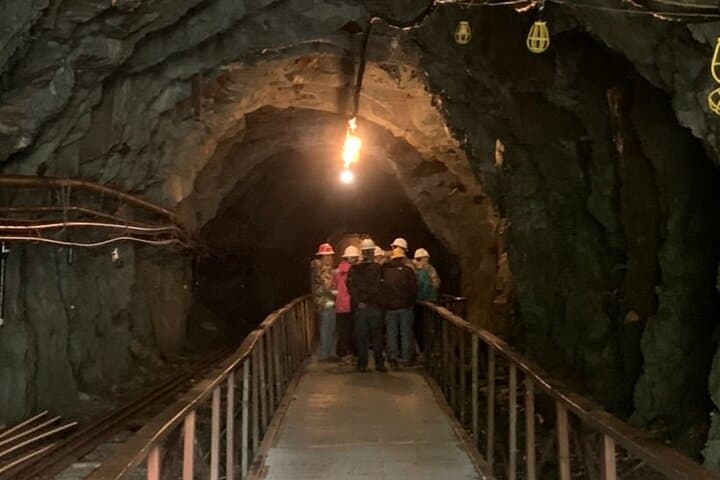
A damp boardwalk creaks as you step under the green canopy and follow a miner’s lamp into rock that once fed a city. The Juneau Underground Gold Mine tour moves 360 feet into an actual tunnel beneath the old mill complex, where low ceilings, iron railings and the smell of cold rock replace the open waterfront you left behind.
Verified experiences and guided adventures in the surrounding area.
Operated by AJ Mine Gastineau Mill · Juneau, Alaska
A damp boardwalk creaks as you step under the green canopy and follow a miner’s lamp into rock that once fed a city. The Juneau Underground Gold Mine tour moves 360 feet into an actual tunnel beneath the old mill complex, where low ceilings, iron railings and the smell of cold rock replace the open waterfront you left behind.
The site sits on Gastineau Channel, which pushed glacier sediments into rich sulfide veins that 19th- and early 20th-century miners chased here. The tour pairs live demonstrations of hard‑rock mining and a working John Peterson stamp mill with the social history of Juneau: boomtown growth, immigrant labor, and the mill’s role as the region’s processing hub. Geological context is visible in exposed vein fractures and tailings piles; cultural artifacts live in the mill displays and the first steam engine brought to Alaska.
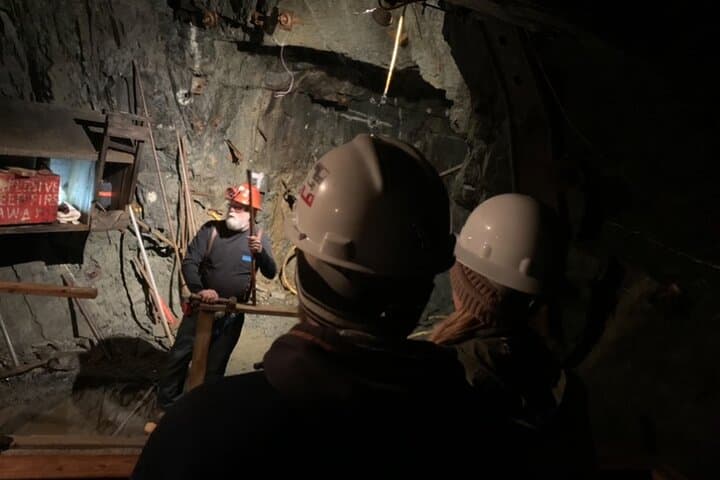
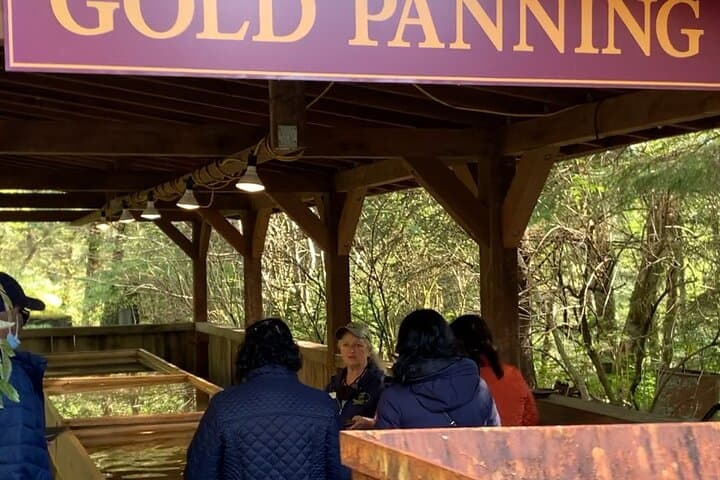
Expect a short ride along the channel, hardhat and safety briefing, then a guided walk on boardwalks and through low, lit tunnels — minimal elevation change but uneven, sometimes slippery surfaces. Guides demonstrate drilling, blasting history and ore processing, then teach you to pan for gold and garnets; “pay dirt” is guaranteed and finds are yours to keep.
Practical notes: tours run about 2.25 hours, are wheelchair-friendly in portions but include narrow sections, and operate year-round with heated indoor exhibits. Wear sturdy, closed-toe shoes, bring layered rain gear and a small daypack. Arrive 15 minutes early to meet behind the Goldbelt Tramway; follow guide instructions in the tunnel for a safe, tactile lesson in Alaska’s gold era.
easy.
2–3 hours.
Suitable for most fitness levels; involves short walks on boardwalks and through narrow, low-ceiling tunnels—not strenuous but requires mobility for short steps and uneven footing.
The experience is about 2.25 hours total and proceeds roughly 360 feet into the underground tunnel, including mill demonstrations and panning.
The tour is family-friendly and portions are stroller and wheelchair accessible, but some narrow or low-ceiling sections require mobility; contact the operator for specific accommodation questions.
Yes—pay dirt is guaranteed and any material you recover during the panning activity is yours to keep.
Private vehicles are not permitted for pickup; follow operator instructions and meet behind the Goldbelt Tramway under the designated canopy 15 minutes before departure.
Juneau’s gold industry drove rapid growth after discovery in the late 19th century; the mill on this tour was once part of a network that made the district one of the world’s richest gold producers per ton mined.
Operators emphasize protected site access and request visitors stay on boardwalks to limit disturbance; local agencies manage reclamation of historic tailings and monitor water quality in Gastineau Channel.
AJ Mine Gastineau Mill operates guided outdoor trips and adventures with an emphasis on safety, stewardship, and memorable experiences.
A damp boardwalk creaks as you step under the green canopy and follow a miner’s lamp into rock that once fed a city. The Juneau Underground Gold Mine tour moves 360 feet into an actual tunnel beneath the old mill complex, where low ceilings, iron railings and the smell of cold rock replace the open waterfront you left behind.
A damp boardwalk creaks as you step under the green canopy and follow a miner’s lamp into rock that once fed a city. The Juneau Underground Gold Mine tour moves 360 feet into an actual tunnel beneath the old mill complex, where low ceilings, iron railings and the smell of cold rock replace the open waterfront you left behind.
The site sits on Gastineau Channel, which pushed glacier sediments into rich sulfide veins that 19th- and early 20th-century miners chased here. The tour pairs live demonstrations of hard‑rock mining and a working John Peterson stamp mill with the social history of Juneau: boomtown growth, immigrant labor, and the mill’s role as the region’s processing hub. Geological context is visible in exposed vein fractures and tailings piles; cultural artifacts live in the mill displays and the first steam engine brought to Alaska.
Expect a short ride along the channel, hardhat and safety briefing, then a guided walk on boardwalks and through low, lit tunnels — minimal elevation change but uneven, sometimes slippery surfaces. Guides demonstrate drilling, blasting history and ore processing, then teach you to pan for gold and garnets; “pay dirt” is guaranteed and finds are yours to keep.
Practical notes: tours run about 2.25 hours, are wheelchair-friendly in portions but include narrow sections, and operate year-round with heated indoor exhibits. Wear sturdy, closed-toe shoes, bring layered rain gear and a small daypack. Arrive 15 minutes early to meet behind the Goldbelt Tramway; follow guide instructions in the tunnel for a safe, tactile lesson in Alaska’s gold era.