THE ADVENTURE COLLECTIVE® · Independent discovery and booking for outdoor travel

Walk among Zanzibar’s only endemic monkey and along mangrove boardwalks in Jozani Chwaka Bay National Park. This guided, easy 3–4 hour tour pairs wildlife viewing with a stop at the Zanzibar Butterfly Centre.
Walk among Zanzibar’s only endemic monkey and along mangrove boardwalks in Jozani Chwaka Bay National Park. This guided, easy 3–4 hour tour pairs wildlife viewing with a stop at the Zanzibar Butterfly Centre.
A humid breath of ocean and earth meets you at the edge of Jozani Forest, where boardwalk planks click underfoot and the canopy filters sunlight into green shards.
Verified experiences and guided adventures in the surrounding area.
Operated by Zan Archipelago Tours & Safaris · Jozani, Unguja South Region
A humid breath of ocean and earth meets you at the edge of Jozani Forest, where boardwalk planks click underfoot and the canopy filters sunlight into green shards.
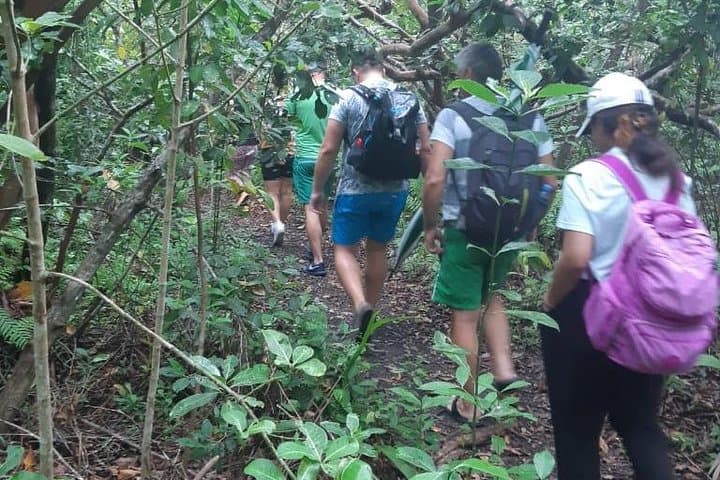
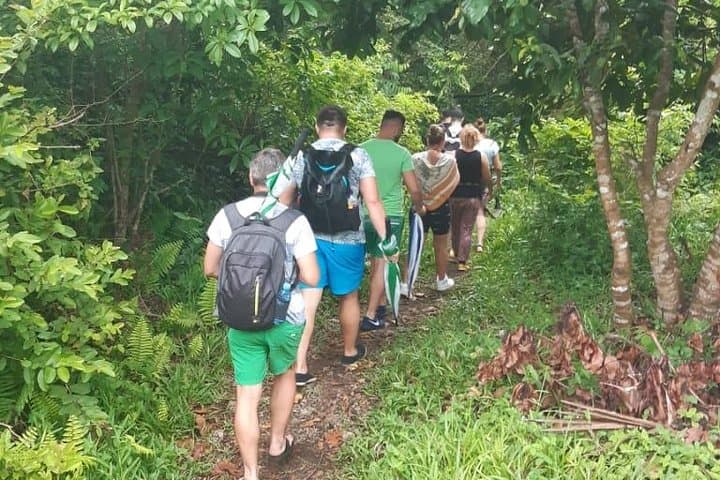
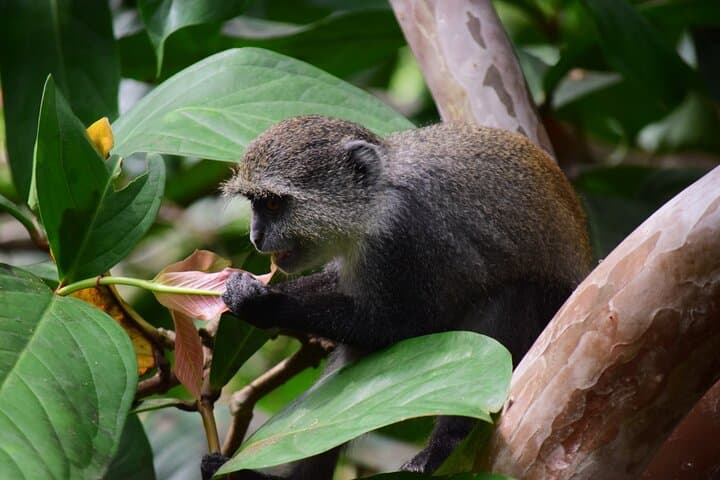
On this guided walk through Jozani Chwaka Bay National Park visitors move quietly with a local guide, eyes trained for the jitter of rustling leaves that signal Zanzibar’s signature residents: the endemic Zanzibar red colobus monkeys. Beyond the troop encounters, the route threads through mature coastal woodland into the mangrove fringes, where roots tangle like living ladders and tidal water dares you to listen to its slow push and pull.
Geologically, Unguja’s low limestone base supports the swampy soils and mangrove systems that made Jozani a conservation priority in the 1990s; culturally, the forest has long supported local communities who now run visitor programs and the nearby Zanzibar Butterfly Centre, an interactive exhibit showcasing native species.
Practically, the tour is an easy 3–4 hour outing on compacted paths and raised wooden walkways—minimal elevation, but uneven footing and moist conditions are common. Bring insect repellent, a refillable water bottle, and sturdy closed shoes. Morning visits increase the chance of lively primate activity and clearer light for photography; afternoons can be hotter and more insect-prone. Respect the guides’ instructions: don’t touch or feed wildlife, and stay on the trail to protect root systems and mangrove seedlings.
Whether focused on birds, endemic mammals, or the unusual mangrove ecology, Jozani delivers a short, accessible slice of Zanzibar’s wild side with clear conservation-minded practices.
easy.
3–4 hours.
Suitable for most fitness levels; involves gentle walking on boardwalks and short uneven forest paths.
The tour lasts about 3–4 hours and includes a guided walk through Jozani Forest, mangrove boardwalk access, entrance fees, and a visit to the Zanzibar Butterfly Centre; hotel pickup around Stone Town is typically provided.
Guides know habitual troop locations and sightings are common, but wildlife is never guaranteed—early morning visits give the best chance of active groups.
The trails are generally flat with raised boardwalks, suitable for children and most adults, but some sections are narrow and damp; wheelchair access is limited—ask the operator about specific needs before booking.
Photography is encouraged, but do not feed or touch animals; follow guide directions to minimize disturbance and disease risk to endemic species.
Declared a national park to protect its unique coastal forest and endemic species, Jozani has been the focus of community-led conservation since the 1990s.
Stay on designated paths, avoid feeding wildlife, and support local guides—the park’s protection relies on low-impact tourism and community benefits.
Zan Archipelago Tours & Safaris operates guided outdoor trips and adventures with an emphasis on safety, stewardship, and memorable experiences.

A humid breath of ocean and earth meets you at the edge of Jozani Forest, where boardwalk planks click underfoot and the canopy filters sunlight into green shards.
A humid breath of ocean and earth meets you at the edge of Jozani Forest, where boardwalk planks click underfoot and the canopy filters sunlight into green shards.
On this guided walk through Jozani Chwaka Bay National Park visitors move quietly with a local guide, eyes trained for the jitter of rustling leaves that signal Zanzibar’s signature residents: the endemic Zanzibar red colobus monkeys. Beyond the troop encounters, the route threads through mature coastal woodland into the mangrove fringes, where roots tangle like living ladders and tidal water dares you to listen to its slow push and pull.
Geologically, Unguja’s low limestone base supports the swampy soils and mangrove systems that made Jozani a conservation priority in the 1990s; culturally, the forest has long supported local communities who now run visitor programs and the nearby Zanzibar Butterfly Centre, an interactive exhibit showcasing native species.
Practically, the tour is an easy 3–4 hour outing on compacted paths and raised wooden walkways—minimal elevation, but uneven footing and moist conditions are common. Bring insect repellent, a refillable water bottle, and sturdy closed shoes. Morning visits increase the chance of lively primate activity and clearer light for photography; afternoons can be hotter and more insect-prone. Respect the guides’ instructions: don’t touch or feed wildlife, and stay on the trail to protect root systems and mangrove seedlings.
Whether focused on birds, endemic mammals, or the unusual mangrove ecology, Jozani delivers a short, accessible slice of Zanzibar’s wild side with clear conservation-minded practices.